
This Korean food guide covers everything foreigners need to know about Korean cuisine — what to eat, how to order it, and where to find the best versions in Seoul.
Korean food is one of the most exciting, most diverse, and most misunderstood cuisines in the world. Most foreigners arrive knowing kimchi and Korean BBQ — and leave having discovered a world of flavors, textures, and dining experiences that completely redefine what they thought Korean food was.
This Korean food guide covers 25 must-try dishes that every visitor to Korea should experience — from street food classics to restaurant staples to hidden gems that most tourists never discover.
Before diving into this Korean food guide, make sure you’ve read our Korea Travel Tips Guide — knowing how to navigate Korea makes finding every dish in this Korean food guide significantly easier.
Korean Food Guide: Rice and Noodle Dishes
Korean Food Guide #1 — Bibimbap (비빔밥)
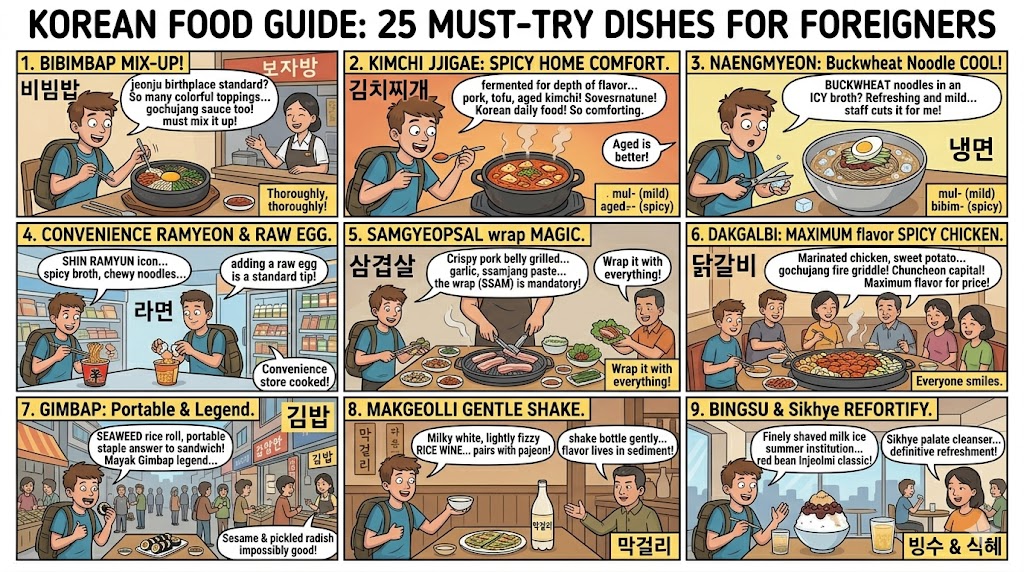
Bibimbap is the dish most Koreans would choose to represent Korean food guide essentials to the world — a bowl of warm rice topped with seasoned vegetables, a fried egg, and gochujang (spicy red pepper paste), mixed together at the table.
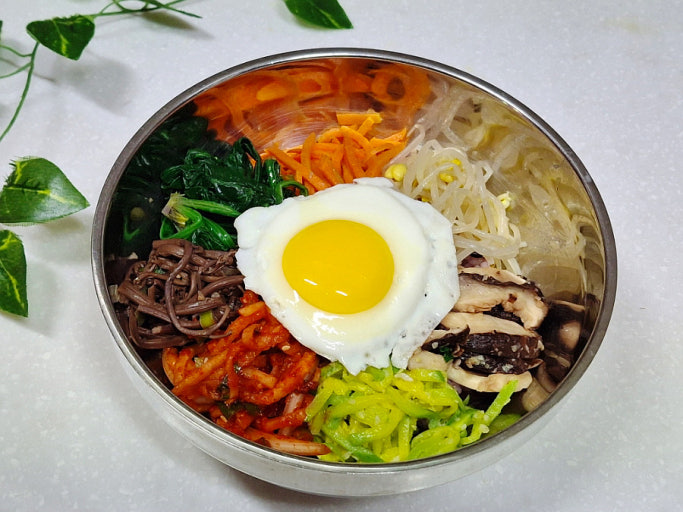
The Korean food guide version served in Jeonju — bibimbap’s birthplace — is considered the gold standard. In Seoul, every Korean food guide restaurant menu includes bibimbap in multiple variations.
Korean food guide price: ₩8,000–₩15,000 Korean food guide tip: Mix everything thoroughly before eating — the mixing is essential to the flavor balance
Korean Food Guide #2 — Kimchi Jjigae (김치찌개)
Kimchi jjigae — kimchi stew — is the most frequently eaten dish in Korean home cooking and the Korean food guide dish that most accurately represents Korean daily food culture.
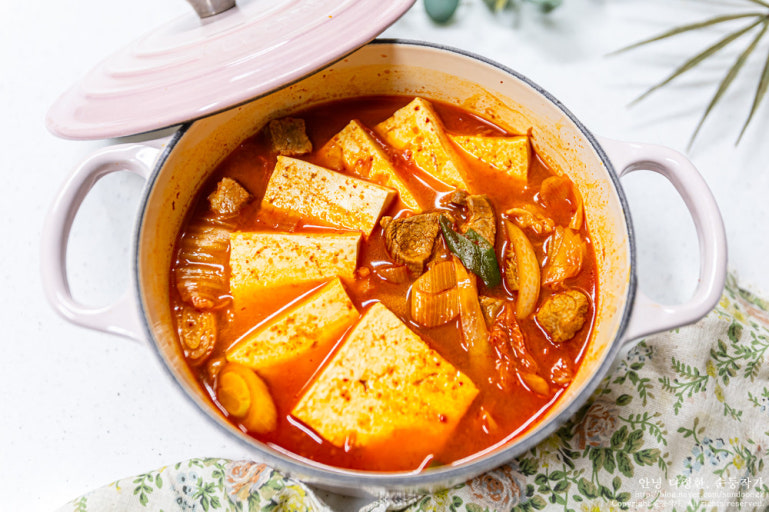
This Korean food guide staple combines aged kimchi, pork or tofu, and vegetables in a spicy, deeply savory broth that develops complexity from the fermentation of the kimchi. The older the kimchi used, the richer the flavor.
Korean food guide price: ₩7,000–₩12,000 Korean food guide tip: Always served boiling hot in a stone pot — let it cool slightly before eating
Korean Food Guide #3 — Doenjang Jjigae (된장찌개)
If kimchi jjigae is Korea’s most beloved stew, doenjang jjigae is its most comforting. This Korean food guide essential uses fermented soybean paste — Korea’s answer to miso — as its base, combined with tofu, zucchini, mushrooms, and sometimes clams or anchovies.
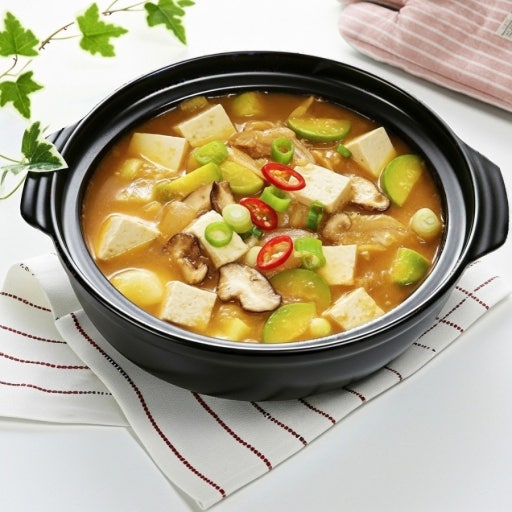
Korean food guide price: ₩7,000–₩12,000 Korean food guide tip: The fermented depth of doenjang develops over months — quality doenjang jjigae has a complexity that instant versions can’t replicate
Korean Food Guide #4 — Japchae (잡채)
Japchae is the Korean food guide dish that surprises foreigners most positively. Glass noodles made from sweet potato starch are stir-fried with colorful vegetables, mushrooms, and beef in a sesame-soy sauce — producing a dish that is simultaneously light and deeply satisfying.
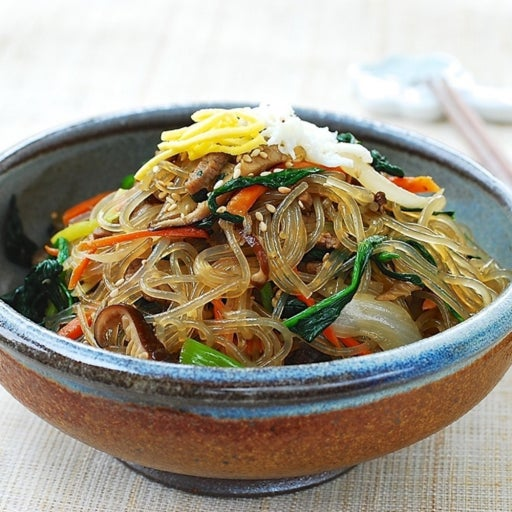
Korean food guide price: ₩10,000–₩18,000 as main dish, ₩4,000–₩7,000 as banchan Korean food guide tip: Japchae is served at virtually every Korean celebration — mastering this Korean food guide dish makes you understand Korean food culture
Korean Food Guide #5 — Naengmyeon (냉면)
Naengmyeon — cold noodles — is the Korean food guide dish that most surprises foreigners who expect all Korean food to be hot and spicy. Thin buckwheat or sweet potato noodles served in an icy cold broth with pickled vegetables and half a boiled egg.
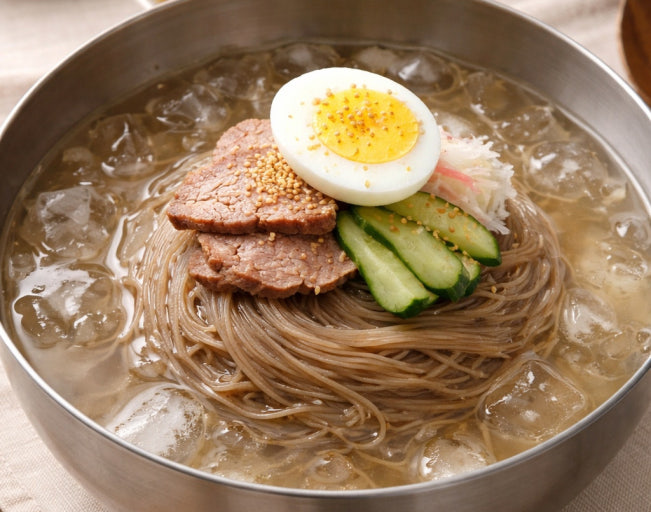
Two Korean food guide versions:
- Mul naengmyeon: Cold soup version — mild, refreshing
- Bibim naengmyeon: Mixed spicy version — gochujang sauce instead of broth
Korean food guide price: ₩10,000–₩15,000 Korean food guide tip: Use scissors to cut the noodles — they’re too long to eat otherwise. Staff will often do this for you.
Korean Food Guide #6 — Ramyeon (라면)
Korean instant ramyeon is a Korean food guide category unto itself — dramatically different from Japanese ramen and the inspiration for worldwide instant noodle culture.
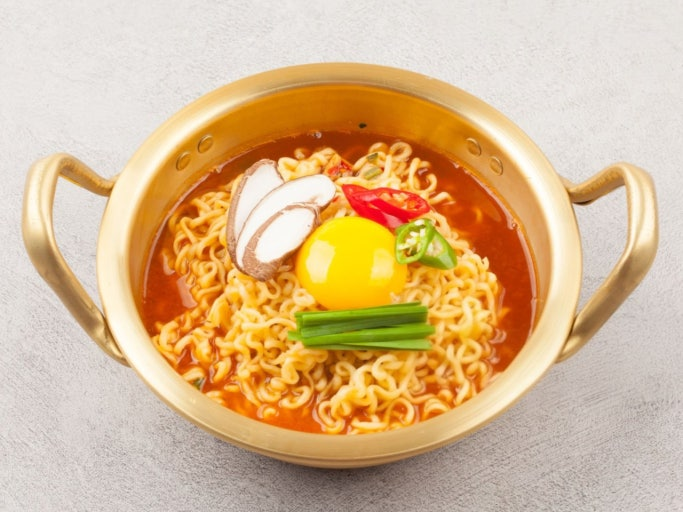
Shin Ramyun — Korea’s most famous instant noodle brand — is a Korean food guide icon. Spicy, rich broth with chewy noodles, mushrooms, and vegetables. Available at every Korean food guide convenience store and cooked fresh at pojangmacha street tents.
Korean food guide price: ₩1,200–₩8,000 depending on venue Korean food guide tip: Add a raw egg to your ramyeon for richer flavor — standard Korean food guide practice
For Korean food guide convenience store ramyeon tips, read our Korean Convenience Store Guide.
Korean Food Guide: Grilled and Cooked Meats
Korean Food Guide #7 — Samgyeopsal (삼겹살)
Samgyeopsal — thick-cut pork belly grilled at the table — is the Korean food guide dish that most embodies Korean BBQ culture. Crispy outside, juicy inside, wrapped in lettuce with garlic and ssamjang paste.
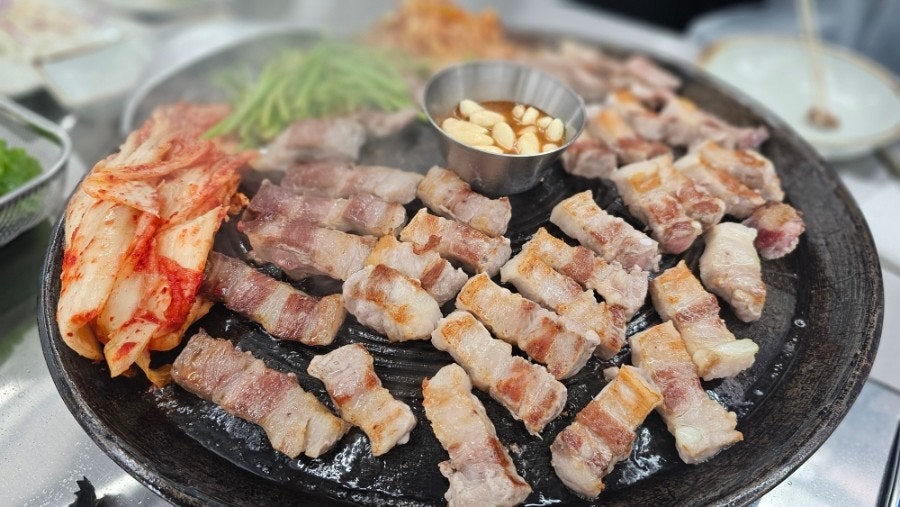
Korean food guide price: ₩12,000–₩18,000 per portion Korean food guide tip: The wrap (ssam) is essential — never eat samgyeopsal alone without the lettuce, garlic, and paste combination
For the complete Korean food guide to BBQ, read our Korean BBQ Guide.
Korean Food Guide #8 — Galbi (갈비)
Galbi — marinated beef short ribs — is the Korean food guide premium BBQ experience. The sweet soy marinade with Asian pear caramelizes beautifully on the grill.
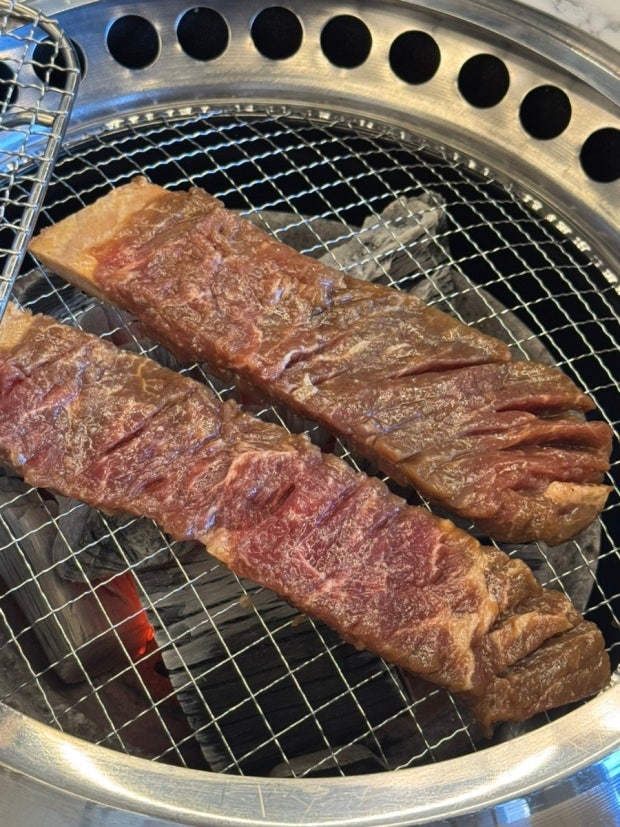
Korean food guide price: ₩20,000–₩40,000 per portion Korean food guide tip: Galbi is the Korean food guide choice for special occasions — more expensive than samgyeopsal but significantly more complex in flavor
Korean Food Guide #9 — Dakgalbi (닭갈비)
Dakgalbi — spicy stir-fried chicken — is the Korean food guide dish that delivers maximum flavor for minimum price. Marinated chicken, cabbage, rice cakes, and sweet potato cooked together in a fiery gochujang sauce on a large iron griddle.
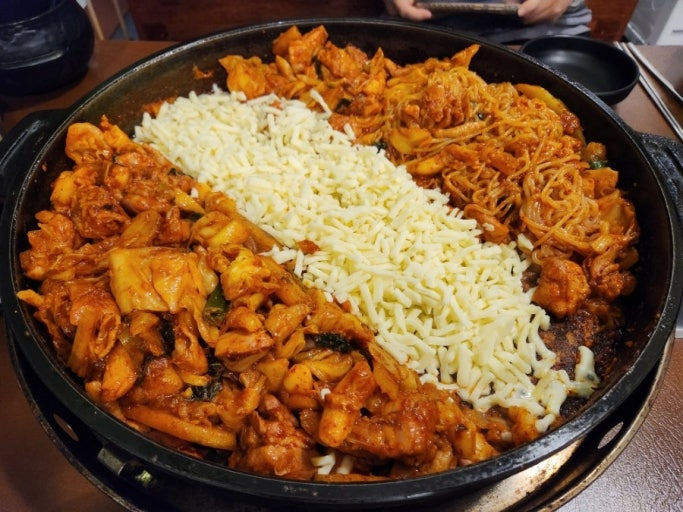
Korean food guide price: ₩10,000–₩15,000 per person Korean food guide best location: Chuncheon City is the Korean food guide capital of dakgalbi — but excellent versions exist throughout Seoul
Korean Food Guide #10 — Bossam (보쌈)
Bossam is the Korean food guide dish that international visitors consistently rank among their favorite Korea food discoveries. Tender boiled pork belly — completely different in texture from grilled samgyeopsal — served with fresh vegetables, kimchi, and fermented shrimp paste for wrapping.
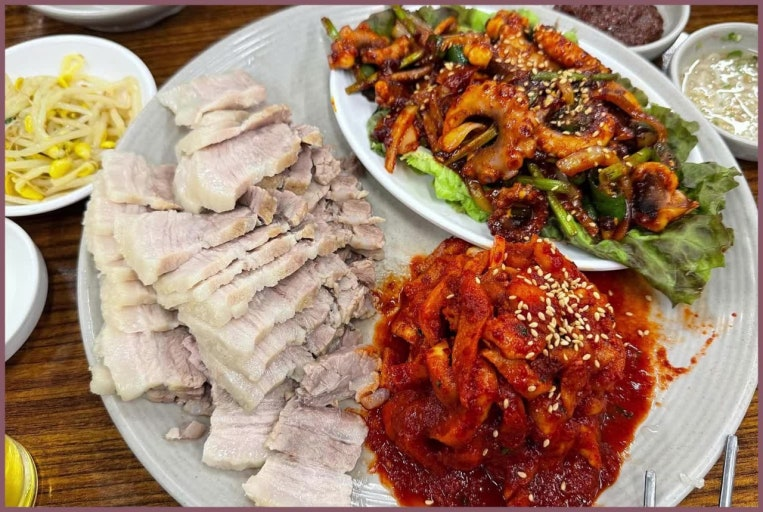
Korean food guide price: ₩15,000–₩30,000 per portion Korean food guide tip: Order oyster kimchi (굴김치) alongside bossam if available — the Korean food guide combination is legendary
Korean Food Guide: Soups and Stews
Korean Food Guide #11 — Seolleongtang (설렁탕)
Seolleongtang is the Korean food guide dish for restorative eating — a milky white beef bone broth simmered for 12+ hours until the collagen creates an almost creamy consistency. Served with rice, green onions, and salt to season yourself.
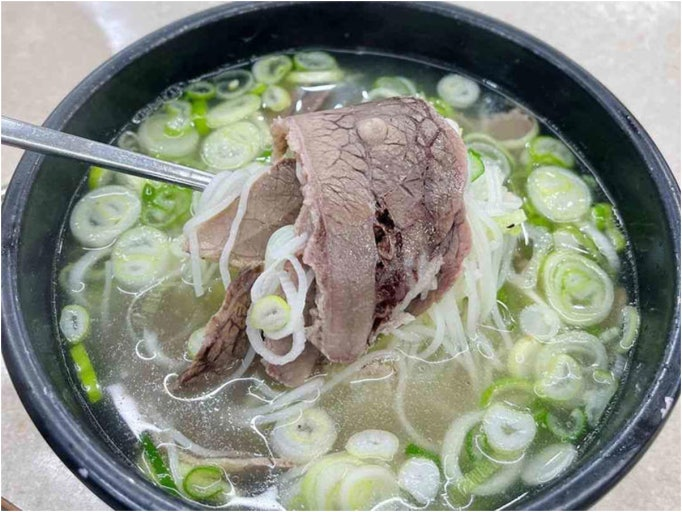
Korean food guide price: ₩10,000–₩15,000 Korean food guide tip: This Korean food guide dish is traditionally eaten for breakfast — try it first thing in the morning for the authentic experience
Korean Food Guide #12 — Sundubu Jjigae (순두부찌개)
Sundubu jjigae — soft tofu stew — is the Korean food guide dish with the most satisfying texture contrast. Silken soft tofu dissolves into a spicy, rich broth with seafood or pork, arriving still bubbling violently at your table.
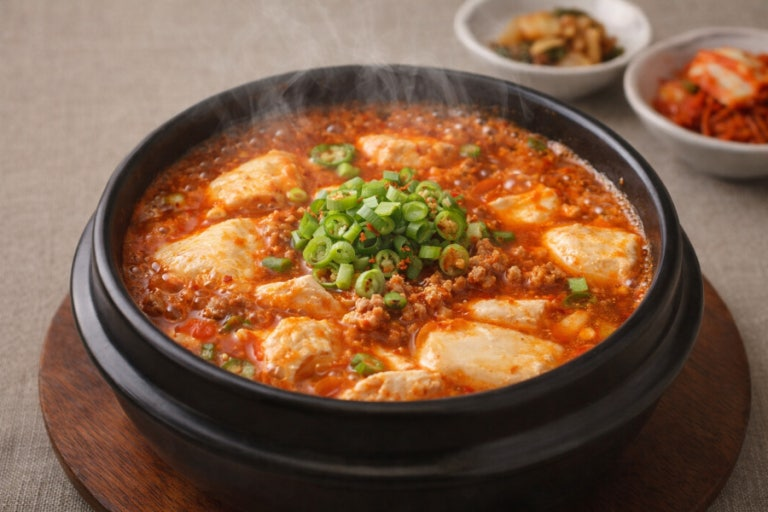
Korean food guide price: ₩8,000–₩13,000 Korean food guide tip: Break the raw egg into the bubbling stew immediately — it cooks in the residual heat and enriches the broth
Korean Food Guide #13 — Gamjatang (감자탕)
Gamjatang — pork spine and potato stew — is the Korean food guide late-night hangover cure and the dish most beloved by Koreans after a long night of drinking. Rich, spicy broth with tender pork spine meat and soft potatoes.
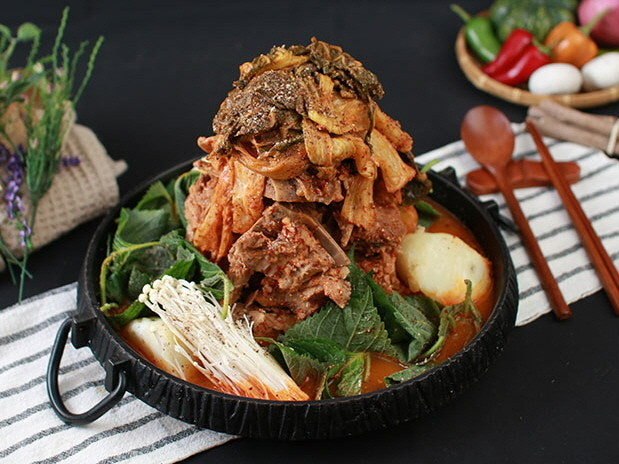
Korean food guide price: ₩10,000–₩18,000 Korean food guide tip: This Korean food guide dish is best eaten after midnight at a pojangmacha — the traditional Korean food guide experience
Korean Food Guide #14 — Miyeokguk (미역국)
Miyeokguk — seaweed soup — is the Korean food guide dish most tied to Korean cultural ritual. Koreans eat it on their birthday every year — a tradition connected to mothers eating seaweed soup after childbirth.
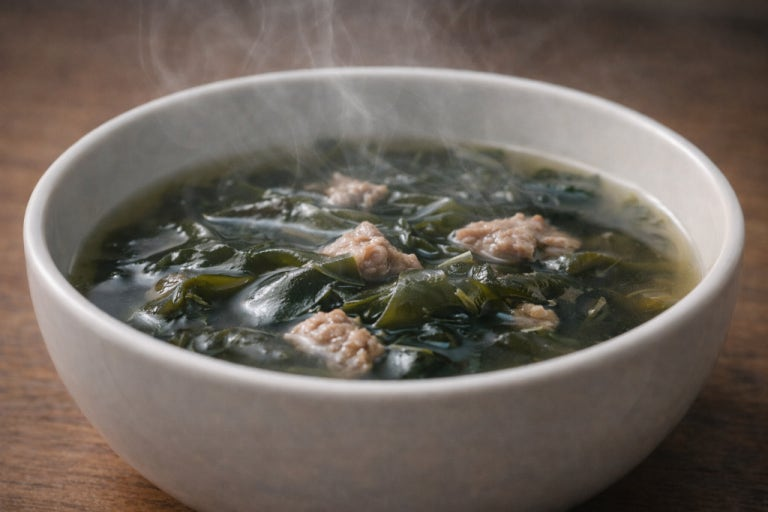
Korean food guide price: ₩7,000–₩12,000 Korean food guide tip: If a Korean offers you miyeokguk, accept — this Korean food guide dish is an expression of care and celebration
Korean Food Guide: Street Food and Snacks
Korean Food Guide #15 — Tteokbokki (떡볶이)
Tteokbokki — spicy rice cake — is the Korean food guide street food most foreigners encounter first and most frequently return to. Chewy rice cakes in a fiery, sweet gochujang sauce that is simultaneously addictive and warming.
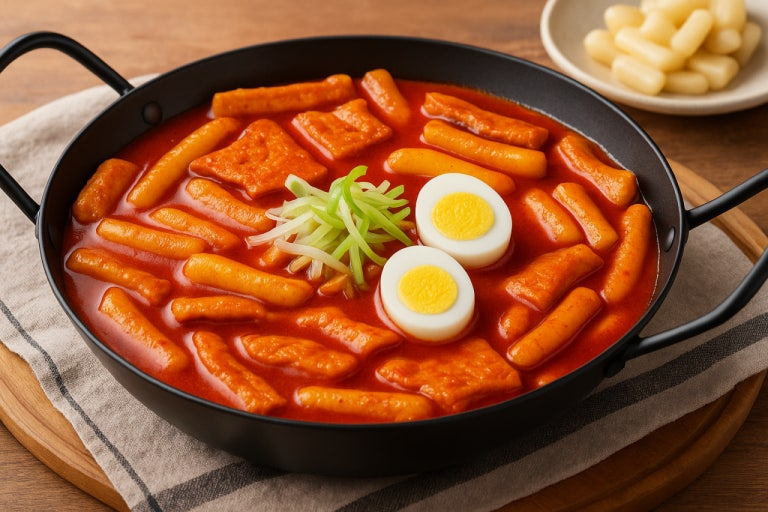
Korean food guide price: ₩3,000–₩5,000 Korean food guide tip: Order with eomuk (fish cake) and twigim (tempura) for the complete Korean food guide street food experience
Korean Food Guide #16 — Pajeon (파전)
Pajeon — green onion pancake — is the Korean food guide dish most associated with rainy days. Koreans have a cultural tradition of eating pajeon and drinking makgeolli rice wine when it rains — an atmospheric Korean food guide pairing worth seeking out.
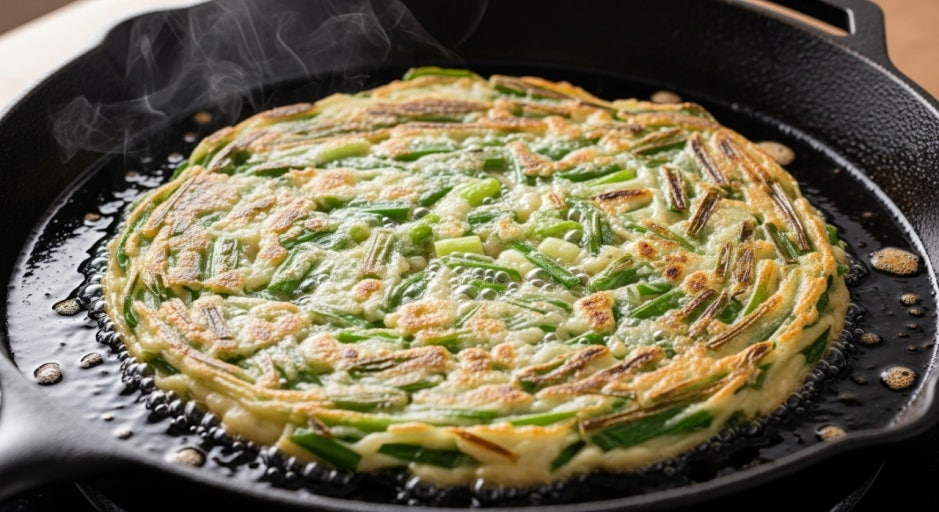
Korean food guide price: ₩8,000–₩15,000 Korean food guide tip: Haemul pajeon (seafood pancake version) is the Korean food guide premium version — more expensive but significantly richer
Korean Food Guide #17 — Gimbap (김밥)
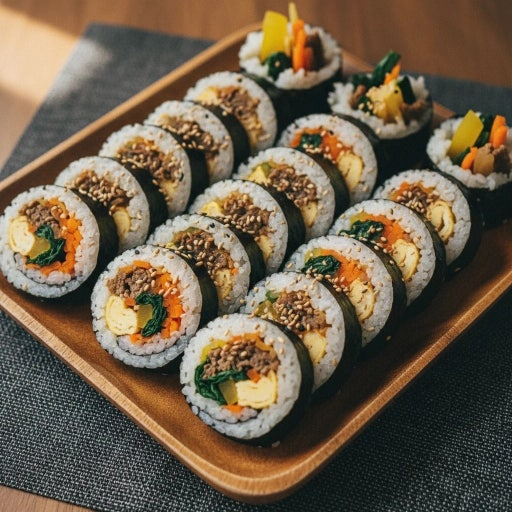
Gimbap — rice and vegetables rolled in seaweed — is the Korean food guide everyday staple. Portable, affordable, and available everywhere — the Korean food guide answer to a sandwich.
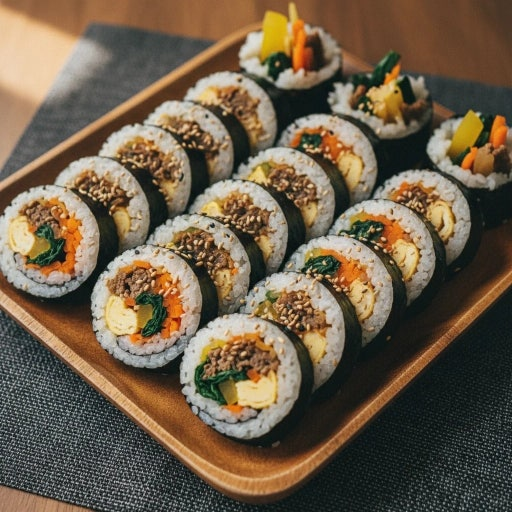
Korean food guide price: ₩2,000–₩4,000 per roll Korean food guide tip: Mayak gimbap at Gwangjang Market is the Korean food guide legendary version — tiny rolls with sesame and pickled radish that are impossibly good
Korean Food Guide #18 — Hotteok (호떡)
Hotteok — sweet Korean food guide street pancake — filled with brown sugar, cinnamon, and crushed nuts. One of the most beloved Korean food guide winter street snacks.
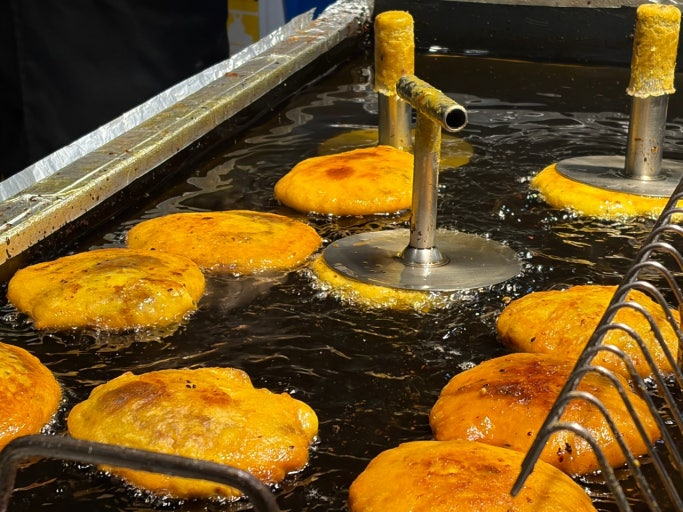
Korean food guide price: ₩1,000–₩2,000 Korean food guide tip: Eat immediately — this Korean food guide snack loses its magic when cold
Korean Food Guide: Fermented and Traditional Foods
Korean Food Guide #19 — Kimchi (김치)
No Korean food guide is complete without dedicating serious attention to kimchi — Korea’s most famous food and the cornerstone of Korean food culture.
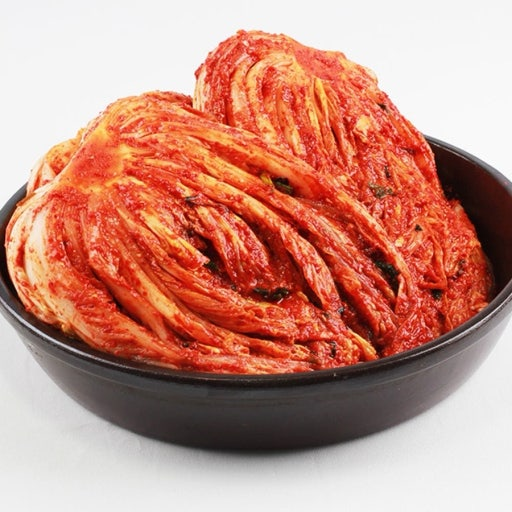
Kimchi is fermented vegetables — most commonly napa cabbage — seasoned with gochugaru (red pepper flakes), garlic, ginger, and salted shrimp. The fermentation process develops complex, tangy, spicy flavors over weeks or months.
Korean food guide kimchi varieties: Baechu kimchi (cabbage), kkakdugi (radish), oi sobagi (cucumber), nabak kimchi (watery), and dozens more regional varieties.
Korean food guide tip: Fresh kimchi (겉절이) and aged kimchi taste completely different — try both for the full Korean food guide experience
Korean Food Guide #20 — Doenjang (된장)
Doenjang — Korean fermented soybean paste — is the Korean food guide ingredient that underlies much of traditional Korean cooking. Deeper, more complex, and more pungent than Japanese miso.
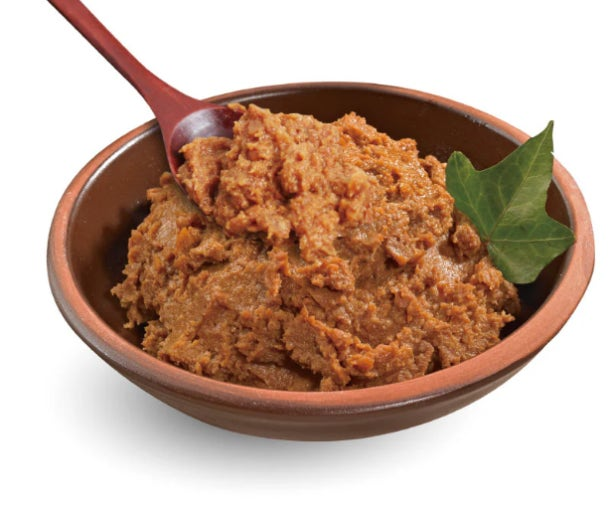
Understanding doenjang is the Korean food guide key to understanding why Korean soups and stews have such depth of flavor. This Korean food guide ingredient has been fermented in traditional clay pots for thousands of years.
Korean Food Guide #21 — Makgeolli (막걸리)
Makgeolli — Korean rice wine — is the Korean food guide drink most directly connected to traditional Korean culture. Milky white, lightly fizzy, slightly sweet and tangy, with 6–8% alcohol.
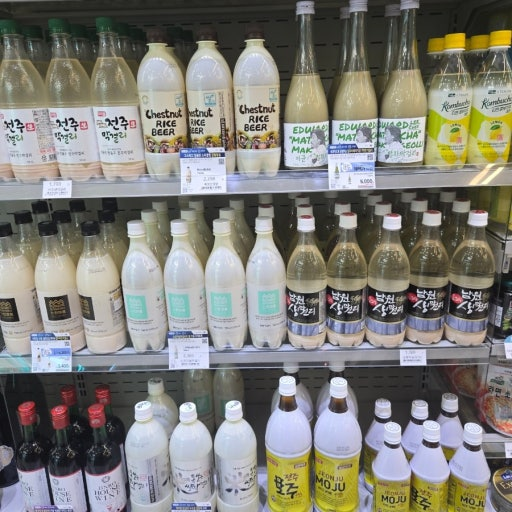
Korean food guide price: ₩2,000–₩5,000 per bottle Korean food guide tip: Shake the bottle gently before pouring — the sediment that settles at the bottom is where the flavor lives
Korean Food Guide: Desserts
Korean Food Guide #22 — Bingsu (빙수)
Bingsu — shaved ice dessert — is the Korean food guide summer institution. Finely shaved milk ice topped with sweet red beans, condensed milk, rice cake, and fruit creates a dessert unlike anything in Western food culture.
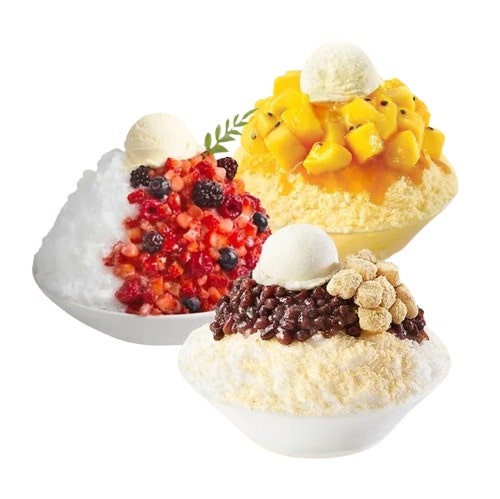
Korean food guide price: ₩8,000–₩20,000 at cafés Korean food guide tip: Injeolmi bingsu (rice cake powder version) is the Korean food guide traditional favorite — earthy, slightly bitter, and extraordinary with condensed milk
Korean Food Guide #23 — Hotteok Ice Cream
A modern Korean food guide innovation: hotteok stuffed with ice cream instead of traditional brown sugar filling. The contrast of warm crispy exterior and cold ice cream interior is a Korean food guide dessert experience unique to Korea.

Korean food guide price: ₩3,000–₩5,000 Korean food guide tip: Available at specialty street food vendors in Myeongdong and Insadong
Korean Food Guide #24 — Bungeoppang (붕어빵)
Bungeoppang — fish-shaped waffle — is the Korean food guide winter street food most associated with Korean childhood nostalgia. Red bean paste filling inside a crispy fish-shaped pastry.
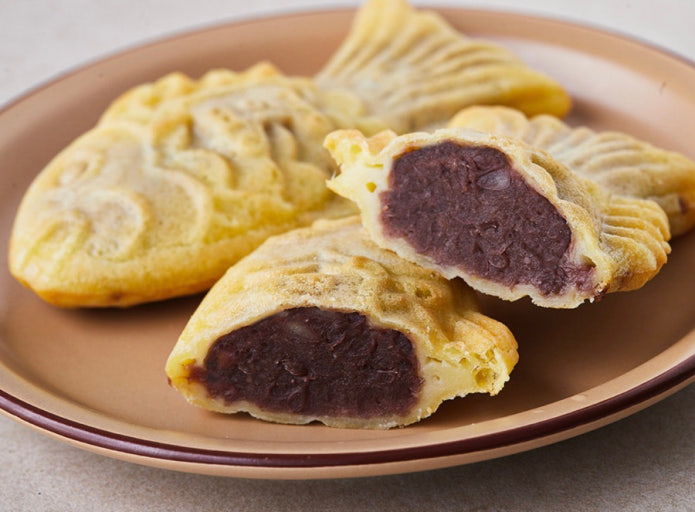
Korean food guide price: ₩1,000–₩2,000 for 2–3 pieces Korean food guide tip: This Korean food guide snack appears only in cold weather — if you visit in winter, eating bungeoppang is a mandatory Korean food guide experience
Korean Food Guide #25 — Sikhye (식혜)
Sikhye — sweet fermented rice punch — is the Korean food guide traditional dessert drink. Served cold, slightly sweet, with floating rice grains. The definitive Korean food guide palate cleanser after a heavy meal.
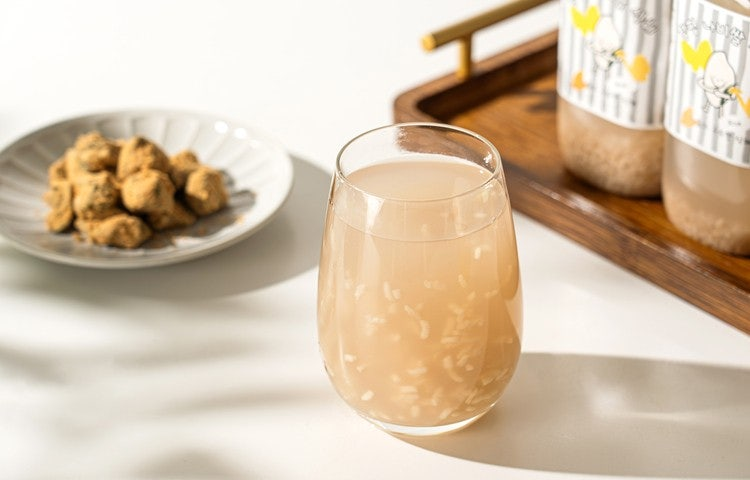
Korean food guide price: ₩1,000–₩2,000 at convenience stores and jjimjilbangs Korean food guide tip: Sikhye at a jjimjilbang after a long sauna session is the definitive Korean food guide refreshment experience — read our Korean Jjimjilbang Guide for context
Korean Food Guide: Where to Eat in Seoul
Gwangjang Market — Korean food guide destination for traditional street food: bindaetteok, japchae, mayak gimbap
Myeongdong — Korean food guide destination for street food variety: tteokbokki, corn dogs, egg bread
Mapo-gu / Mangwon — Korean food guide destination for authentic local restaurants away from tourists
Insadong — Korean food guide destination for traditional Korean tea houses and traditional snacks
Dongdaemun — Korean food guide destination for late-night Korean food culture
For navigating between all these Korean food guide destinations, read our Seoul Subway Guide and our complete Things to Do in Seoul Guide.
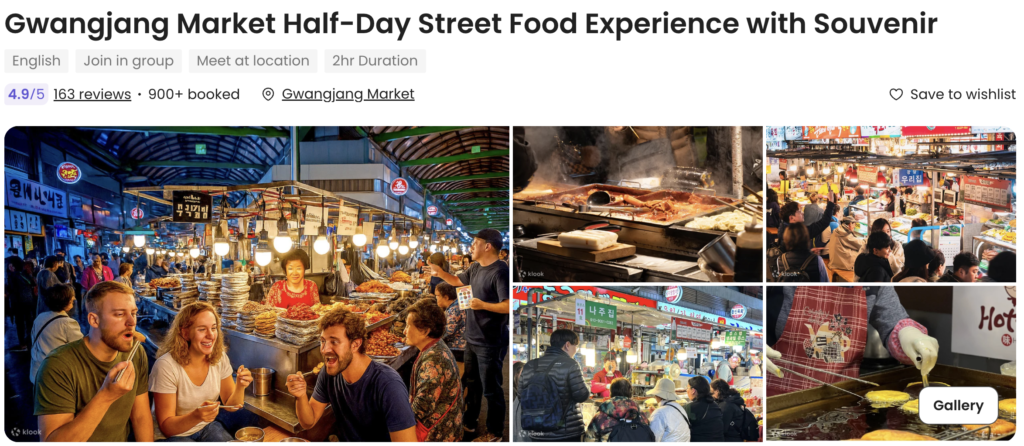
Gwangjang Market is Seoul’s most famous traditional food market — and navigating it is significantly more rewarding with a guide. A Gwangjang Market food tour on Klook covers bindaetteok, mayak gimbap, and raw beef bibimbap with a local who knows exactly which stalls are worth the queue.
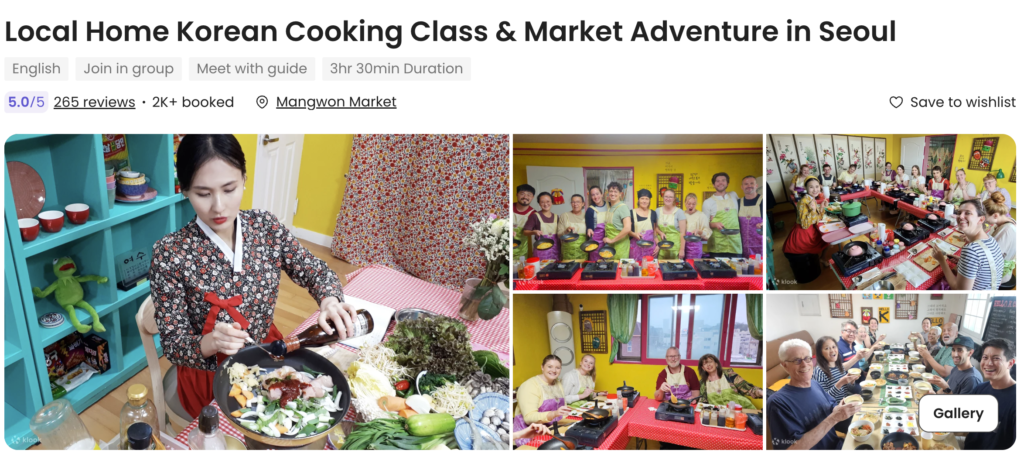
Want to learn how to cook Korean food yourself? Book a Korean cooking class on Klook — most classes are in English and cover kimchi, bibimbap, and Korean side dishes in a hands-on 2–3 hour session.
Ready to eat your way through Korea? Read our Korean BBQ Guide and Korean Street Food Guide for the complete Korean food guide experience.

Korea Insider has lived in South Korea for 50 years and worked at international companies for over two decades — explaining Korean culture, food, and society to colleagues from the US, Europe, and Australia.
Internationally married with a Japanese spouse, Korea Insider brings both an insider’s depth and an outsider’s perspective to every topic on My Korea Tip.