
I’ve been stopping at Korean convenience stores my entire adult life — before work, after late nights, on the way home from anywhere. For most Koreans, the convenience store isn’t a last resort. It’s a genuine part of daily eating culture, and has been for decades.
What surprises most foreign visitors isn’t just the food quality. It’s the realization that what they assumed would be a quick snack stop is actually one of the best — and most affordable — eating experiences in the country.
This guide covers the 20 best things to eat at Korea’s two biggest chains, CU and GS25, plus everything you need to know to navigate them like a local.
Why Korean Convenience Stores Are Different
Korea has over 50,000 convenience stores — more per capita than almost any country in the world. CU and GS25 alone account for over 60% of the market. But the density isn’t what makes them remarkable. It’s the food.
Korean chains invest heavily in fresh, affordable, rotating menus. Prices range from ₩1,000 to ₩5,000 (roughly $0.75–$3.75), and the quality consistently punches well above that price point. Most stores have a small seating area, a microwave, and a hot water dispenser — turning what could be a quick snack into a proper sit-down meal.
I’ve eaten full dinners at convenience store counters more times than I can count, usually after late work nights when nothing else was open. It never feels like settling.
For more on how food fits into daily Korean life, read our Korean Street Food Guide and Korean Convenience Store Culture Guide.
The 20 Best Korean Convenience Store Foods
🍙 Rice and Bread
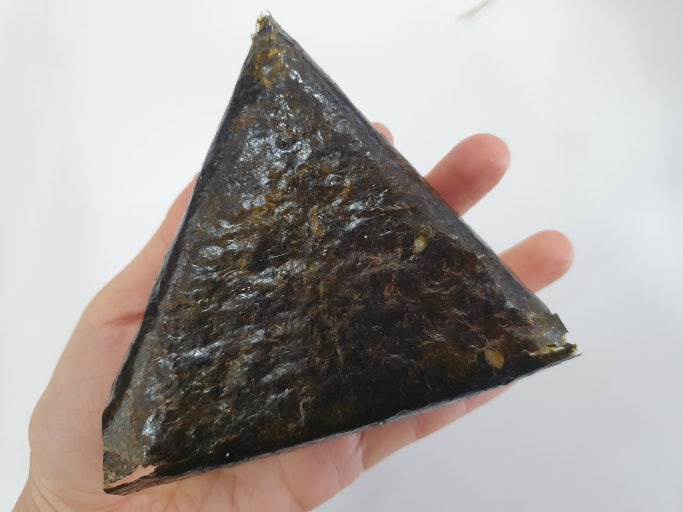
1. Samgak Gimbap (삼각김밥) — ₩1,200–₩1,800
The undisputed icon of the Korean convenience store. A triangle of rice wrapped in seaweed with a filling inside — tuna mayo, bulgogi, spicy pork, kimchi cheese, and a rotating roster of seasonal options.
The wrapper has numbered tabs (1→2→3) — pull them in order to keep the seaweed crispy and separate from the rice until the last moment. Every Korean child learns this. It’s the first thing I show foreign colleagues when they visit.
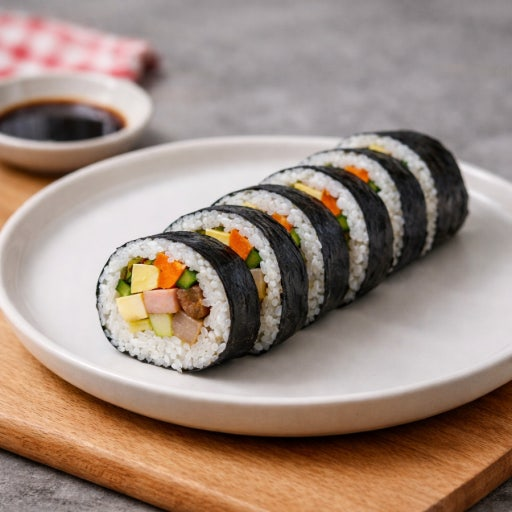
2. Gimbap Roll (김밥) — ₩2,000–₩3,500
A full roll of rice, vegetables, and protein wrapped in seaweed, sliced into rounds. More substantial than samgak gimbap and a genuine light meal on its own. Tuna, beef, kimchi, and cheese variations are all worth trying.
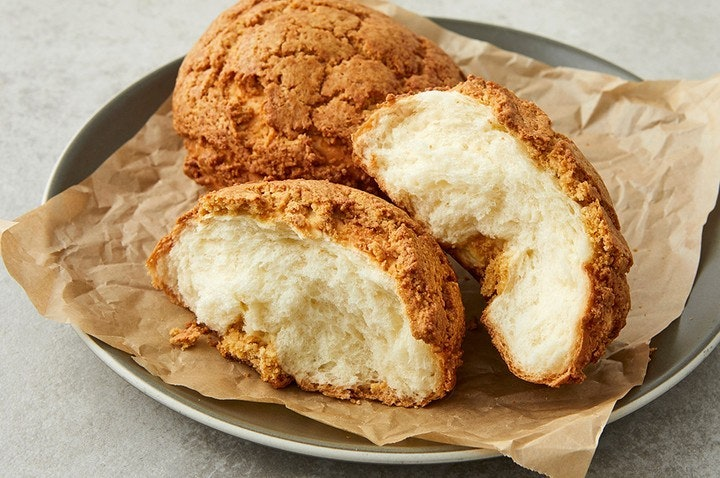
3. Soboro Bread (소보로빵) — ₩1,500
A fluffy bun topped with crumbly sweet streusel. A Korean bakery classic that found its way into convenience stores and never left. Pairs extremely well with a canned Americano.
🍜 Hot Foods
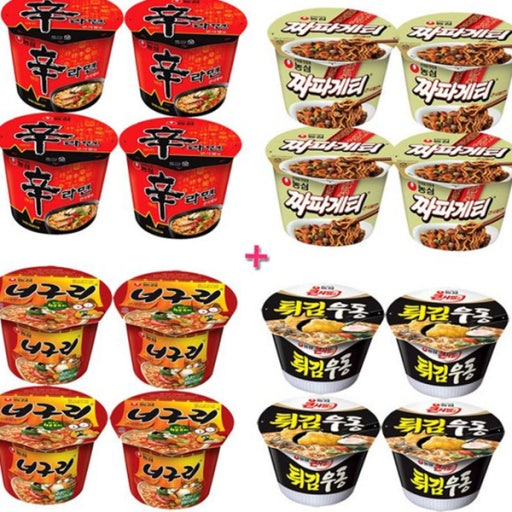
4. Cup Ramen (컵라면) — ₩1,200–₩2,000
Pour hot water from the dispenser, wait three minutes, eat at the counter. Shin Ramyun is the classic choice — spicy, rich, and deeply satisfying at any hour. There’s something about eating ramen at a convenience store counter at 11pm that feels quintessentially Korean. I’ve done it hundreds of times and it never gets old.
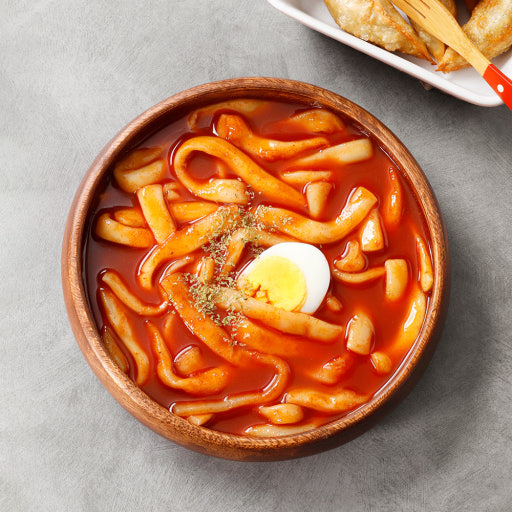
5. Instant Tteokbokki (즉석 떡볶이) — ₩2,000–₩3,000
Chewy rice cakes in spicy gochujang sauce, microwaved for two minutes. One of Korea’s most beloved street foods in a cup. The spice level varies by brand — start with the Dongdaemun or 7-Eleven house versions if you’re sensitive to heat.
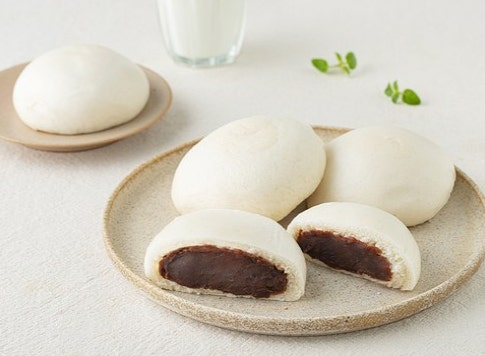
6. Steamed Buns (찐빵/호빵) — ₩1,500–₩2,000
Available in winter and spring, these pillowy buns are filled with red bean paste, pizza toppings, or vegetables. Kept warm in a dedicated steamer by the counter — point at the one you want and the staff will grab it. The red bean version is the classic, and still the best.
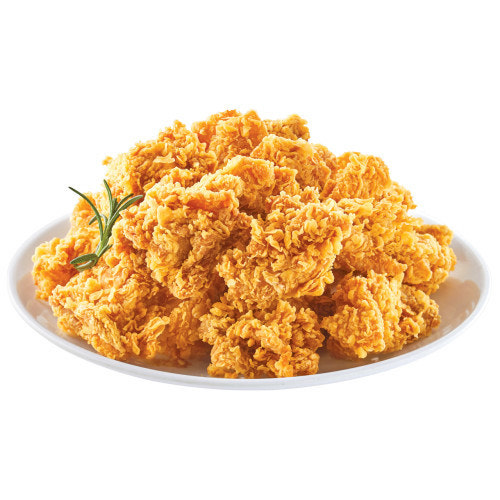
7. Fried Chicken Pieces — ₩1,000–₩2,000
Small pieces of crispy fried chicken kept warm near the register. Not fancy, not trying to be. Exactly what you need at midnight after a long evening out. My personal go-to after late-night company dinners in Gangnam.
🥚 Snacks and Small Bites
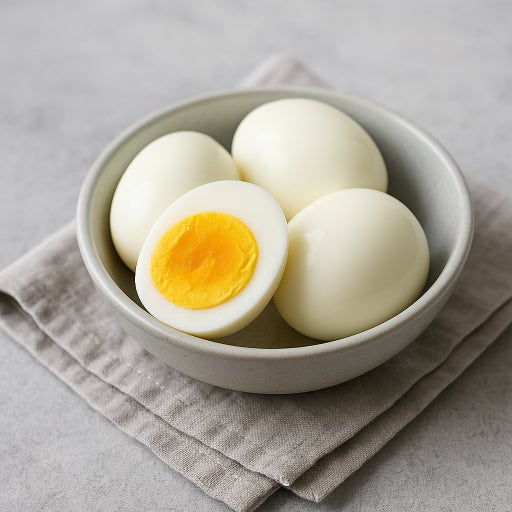
8. Boiled Eggs (삶은 달걀) — ₩1,000
Two perfectly boiled eggs in a small bag. Cheap, filling, high protein, zero preparation required. Koreans have been eating these at convenience stores since the chains first opened, and for good reason.
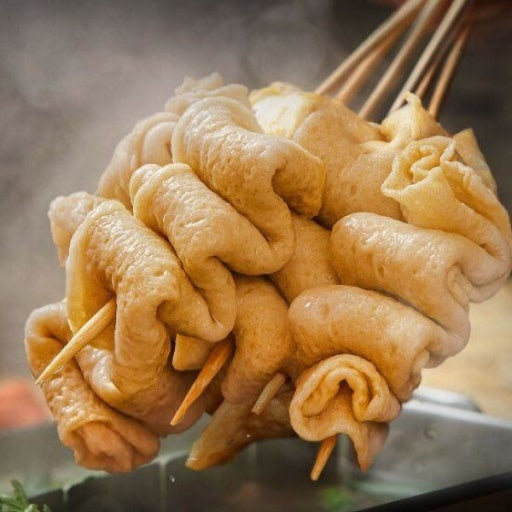
9. Fish Cake Skewers (어묵) — ₩500–₩1,000
Soft fish cake on a skewer, sitting in warm broth near the hot food counter. The broth is often free to sip. This is street food culture condensed into a convenience store format — simple, warming, and genuinely satisfying on a cold day.
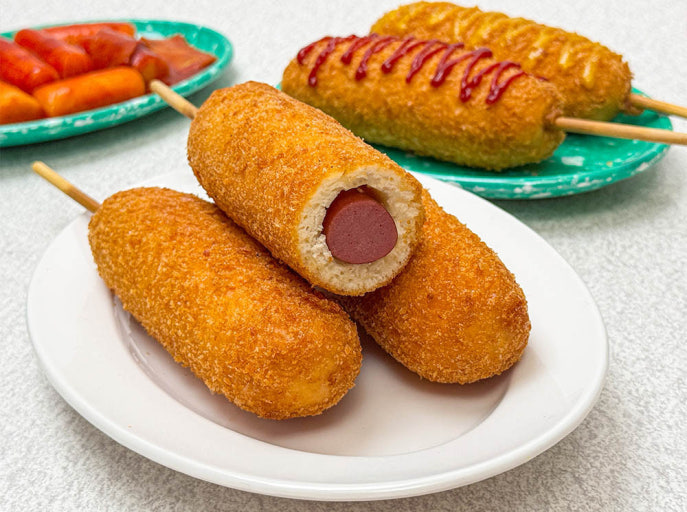
10. Korean Corn Dog (핫도그) — ₩1,500–₩2,500
Not an American corn dog. The Korean version is coated in thick, fluffy batter — sometimes filled with mozzarella, sometimes split half sausage and half cheese, often rolled in sugar before serving. The sugar coating sounds wrong until you try it.
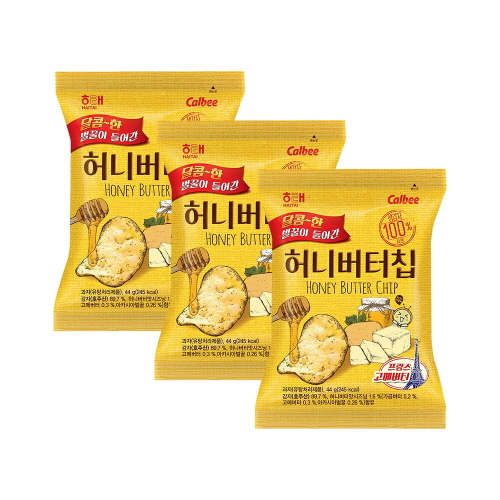
11. Honey Butter Chips (허니버터칩) — ₩1,800
The snack that caused a nationwide shortage when it launched in 2014. Sweet, salty, buttery potato chips that became a genuine cultural phenomenon — people were reselling them online at markup. Worth trying to understand what the fuss was about, and they’ve held up well.
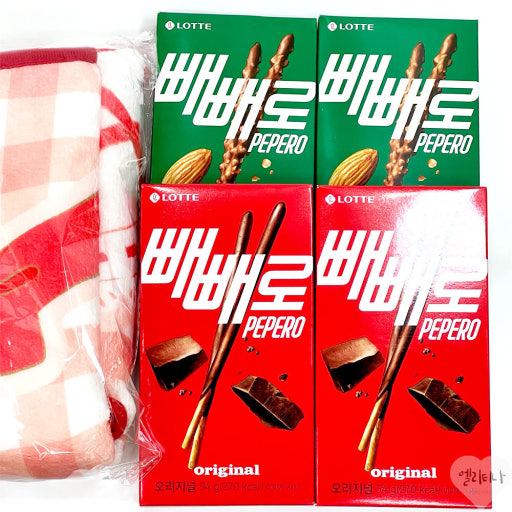
12. Pepero (빼빼로) — ₩1,200
Thin pretzel sticks dipped in chocolate. Korea’s answer to Pocky, and deeply embedded in the culture. November 11th is Pepero Day — Koreans give boxes to friends, colleagues, and romantic partners. The date (11/11) resembles four Pepero sticks standing upright.
🥤 Drinks
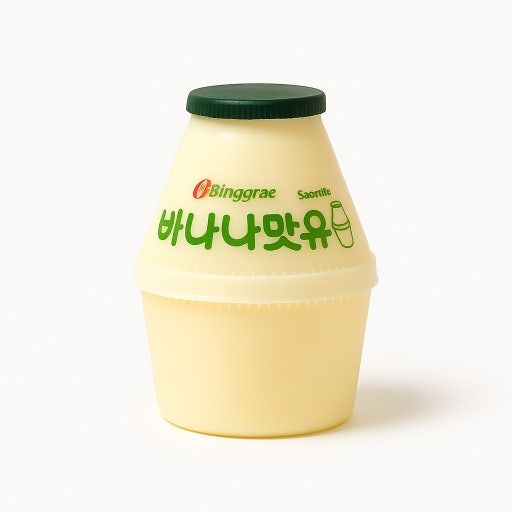
13. Banana Milk (바나나우유) — ₩1,300
The iconic yellow bottle. Creamy, sweet banana-flavored milk that Koreans grow up drinking. My children grew up on this, as I did. Nostalgic for locals and genuinely delightful for first-timers — it tastes more like real banana than most banana-flavored things do.
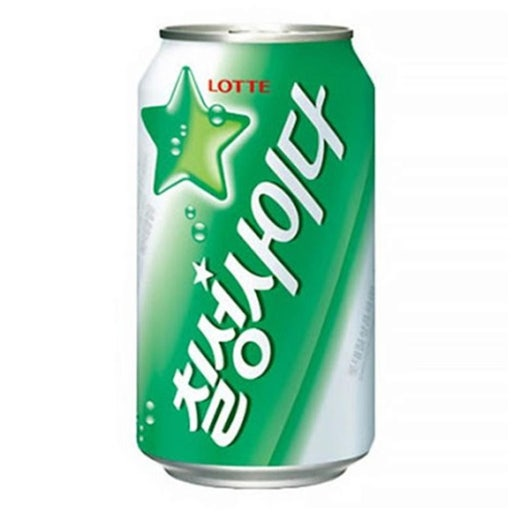
14. Chilsung Cider (칠성사이다) — ₩1,200
Korea’s most beloved clear soda. Lighter and less sweet than Sprite, with a cleaner finish. The standard pairing with spicy food, and a fixture at every Korean meal table from convenience store counters to family dinners.
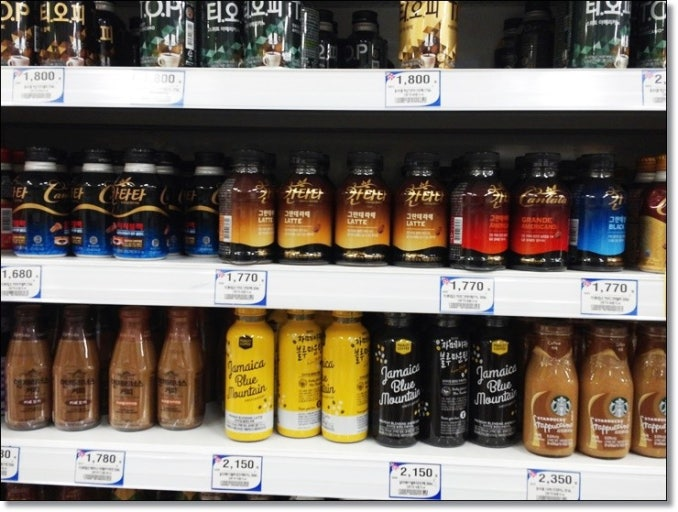
15. Canned Americano — ₩1,500
Cold brew or brewed coffee in a can. Consistently good and roughly half the price of a café. The Georgia and Let’s Be brands are widely available and reliable. This is how many Korean office workers start their mornings.
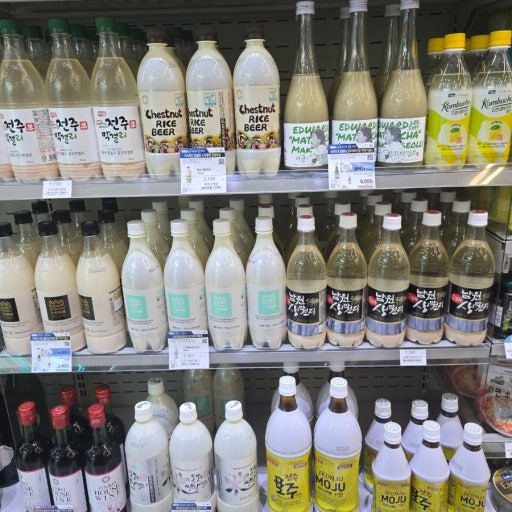
16. Makgeolli (막걸리) — ₩2,000–₩3,000
Traditional Korean rice wine — milky white, lightly fizzy, with a slightly sweet and tangy flavor. Low alcohol content (6–8%) and surprisingly refreshing cold. Pairs well with the fried chicken pieces or fish cake skewers from the hot food counter.
🍦 Desserts
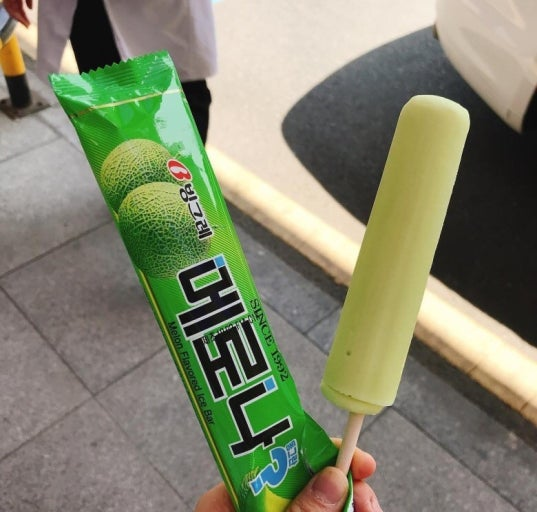
17. Melona Ice Cream Bar (메로나) — ₩1,200
A melon-flavored ice cream bar that has been a Korean summer staple since 1992. Creamy, refreshing, and unmistakably Korean. Also available in banana and strawberry. If you visit Korea in summer and leave without eating one, you missed something real.
18. Soft Serve Ice Cream — ₩500–₩1,000
Most GS25 and CU locations have a soft serve machine at the counter. Vanilla or mixed swirl for under ₩1,000. Possibly the best value dessert in Korea, and the queue at these machines on a summer afternoon tells you everything you need to know.

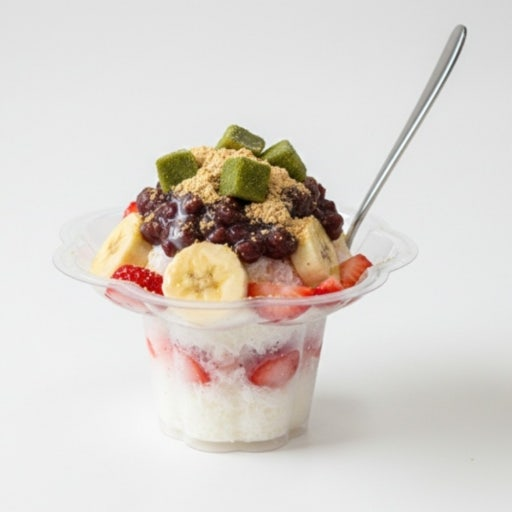
19. Bingsu Cup (빙수컵) — ₩2,000–₩3,500
Shaved ice with sweet toppings — red bean, strawberry, or matcha. A mini version of the famous Korean summer dessert, available year-round in convenience store format. The red bean version is the most traditional and the one I’d recommend starting with.
🍱 Full Meals
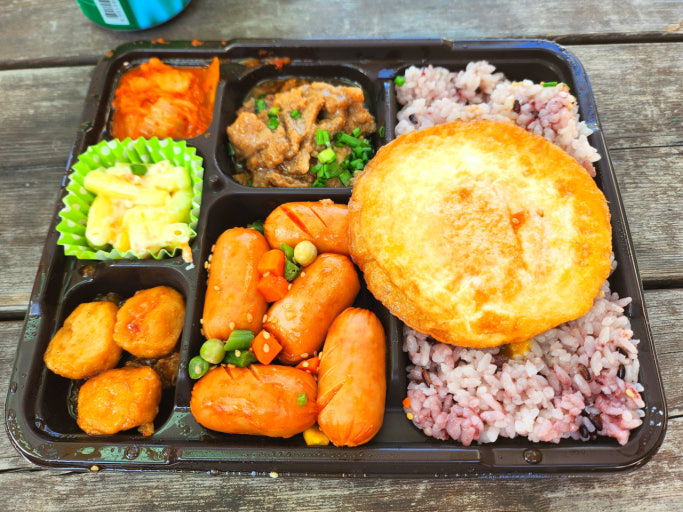
20. Dosirak Lunchbox (도시락) — ₩3,500–₩5,000
A full meal in a plastic tray — rice, protein, and side dishes. Microwave for two minutes. Quality varies by location, but the bulgogi rice, kimchi fried rice, and japchae options are reliably good. A complete meal for under $4 is difficult to beat anywhere in the world.
How to Use the Microwave and Hot Water Station
Most stores have a self-serve station near the seating area. The unwritten rules:
- Remove lids partially before microwaving — don’t seal the container
- Hot water is for cup ramen — fill to the line marked inside the cup
- Clean up after yourself — bins are right next to the station
- Seating is free — stay as long as you need
CU vs GS25 — Is There a Difference?
Honestly, not much. Both carry most of the same products.
| CU | GS25 | |
|---|---|---|
| Signature item | CU Sandwich line | GS25 Dosirak lunchboxes |
| App discounts | CU app | GS25 app |
| Coverage | Slightly more nationwide | Stronger in Seoul |
Download both apps — discount coupons save ₩500–₩1,000 per visit, and the apps regularly run buy-one-get-one promotions on popular items.
Practical Tips for First-Timers
Go late at night. Convenience stores are open 24/7 and genuinely busy at midnight — watching the late-night crowd cycle through is a cultural experience in itself.
Check for discount stickers. Items close to their expiry date get yellow discount stickers — usually 30–50% off and still perfectly good to eat. Locals watch for these.
Try something unidentifiable. Half the fun is picking up something you can’t read. Worst case, it’s ₩1,500 and an interesting story.
Visit multiple times. Menus rotate seasonally and by promotion. What’s available in January won’t all be there in July.
FAQ
What is the most popular convenience store in Korea? CU and GS25 are the two largest chains, followed by 7-Eleven Korea and Emart24. CU has a slight edge in total store count nationwide.
Are Korean convenience stores open 24 hours? Almost all of them, yes. 24-hour operation is the standard, not the exception.
Can I eat inside a Korean convenience store? Yes. Most locations have a small seating area. You’re welcome to sit as long as you like — there’s no pressure to leave.
How much does a full meal cost at a Korean convenience store? A complete, satisfying meal — ramen, a gimbap roll, and a drink — typically costs between ₩4,000 and ₩7,000, or roughly $3–$5.
What’s the best thing to try first? Samgak gimbap and a can of Chilsung Cider. Simple, cheap, and the most authentically Korean convenience store experience you can have.
Explore more: Korean Street Food Guide · Korean BBQ Guide · Things to Do in Seoul
Also check out: How to Use the Seoul Subway
Enjoyed this guide? Next up: How to Use the Seoul Subway: A Complete Guide for First-Timers

Korea Insider has lived in South Korea for 50 years and worked at international companies for over two decades — explaining Korean culture, food, and society to colleagues from the US, Europe, and Australia.
Internationally married with a Japanese spouse, Korea Insider brings both an insider’s depth and an outsider’s perspective to every topic on My Korea Tip.