
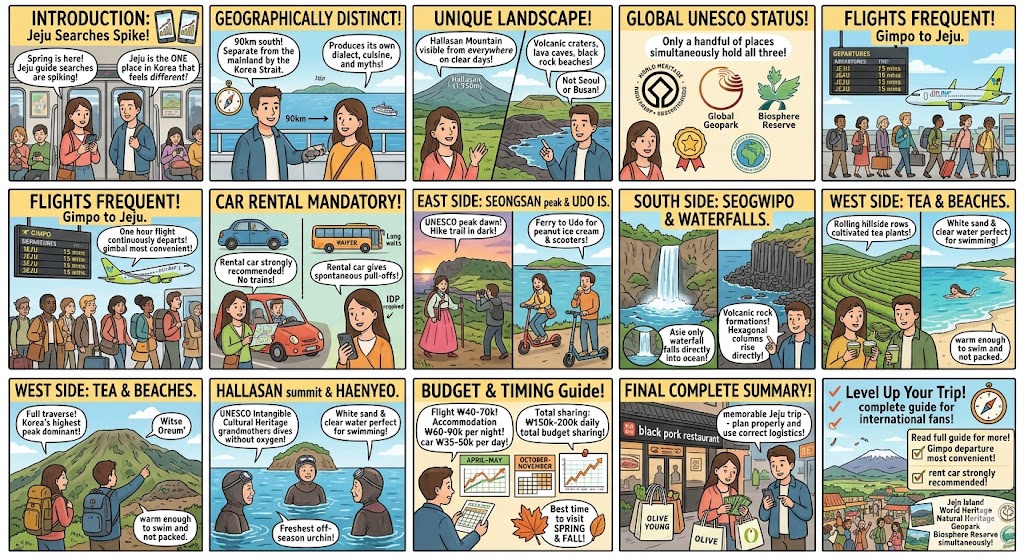
Jeju Island travel guide searches spike every spring — and for good reason. Jeju is the one destination in Korea that does not feel like the rest of Korea.
The island sits 90 kilometers off the southern tip of the peninsula, separated from the mainland by the Korea Strait. What that geographic distance produces is a place with its own dialect, its own cuisine, its own mythology, and a landscape unlike anything in Seoul or Busan — volcanic craters, lava tube caves, black rock coastlines, tangerine orchards, and a mountain that rises to 1,950 meters at the island’s center and is visible from virtually every point on the island on a clear day.
UNESCO has recognized Jeju as a World Natural Heritage Site, Global Geopark, and Biosphere Reserve — one of only a handful of places in the world to hold all three designations simultaneously. This is not marketing language. The volcanic geology, the subtropical biodiversity, and the cultural ecosystem of the island are genuinely significant at a global level. The Soul of Seoul
The Seoul–Jeju route is one of the busiest air corridors in the entire world, with flights departing roughly every 15–20 minutes during peak hours. Getting here is not difficult. What this guide does is help you use the time after you land correctly. Novotel
For planning a Korea trip that combines Seoul and Jeju, read our Korea Travel Tips Guide. For budgeting the full trip, read our Korea Travel Budget Guide.
Jeju Island Travel Guide: Essential Information
| Detail | Info |
|---|---|
| Location | 90km south of Korean peninsula |
| Size | 73km east–west, 31km north–south |
| Flight from Seoul (Gimpo) | ~1 hour |
| Flight from Seoul (Incheon) | ~1 hour 15 min |
| Main city | Jeju City (north) |
| Second city | Seogwipo (south) |
| Transport on island | Rental car strongly recommended |
| UNESCO status | World Heritage + Geopark + Biosphere Reserve |
| Best time to visit | April–May, October–November |
| Minimum stay | 3 nights / 4 days |
Getting to Jeju from Seoul
Fly from Gimpo Airport (GMP) in western Seoul — not Incheon — for the most convenient access. Flights take approximately one hour and depart continuously throughout the day. Gimpo is on Seoul Subway Line 5 and the Airport Railroad, making it straightforward from any central Seoul neighborhood. Novotel
From Incheon (ICN): Slightly longer flight (75 minutes) but more convenient if you are arriving in Korea internationally — you can connect directly to Jeju without returning to central Seoul.
By ferry: Ferries to Jeju are available from multiple mainland ports including Mokpo, Wando, and Busan. The journey takes 4–13 hours depending on the departure point and vessel speed. The ferry is an experience rather than a recommendation for time-limited visitors — flying is faster and often cheaper. KoreaToDo
Ticket booking: Korean Air, Asiana, Jeju Air, T’way, and Jin Air all operate the Seoul–Jeju route. Book 4–6 weeks in advance for reasonable fares. Last-minute tickets on busy travel weekends (Chuseok, Lunar New Year, summer holidays) can be extremely expensive — Jeju is where all of Korea goes on holiday simultaneously. Novotel
Getting Around Jeju: Rent a Car
This is the single most important logistical decision for a Jeju trip.
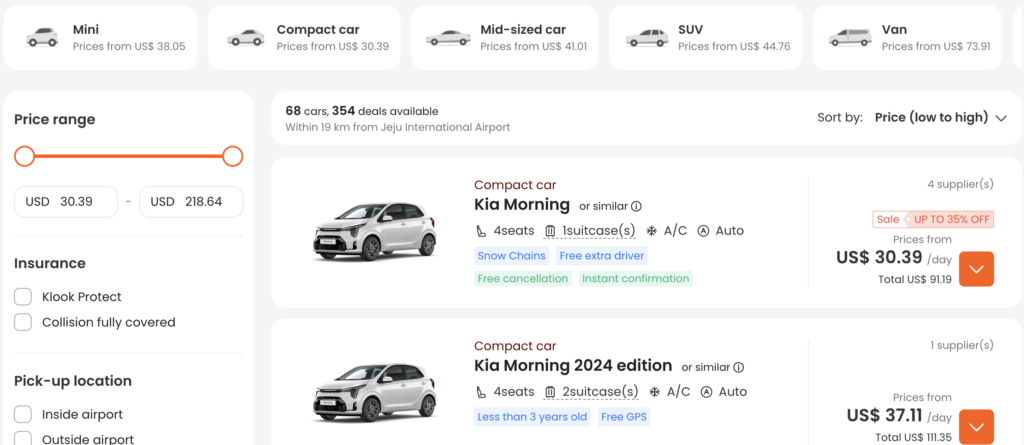
There is no subway or train system on Jeju Island. Taxis are available but expensive for longer distances between coasts. Rental cars from Jeju International Airport start from approximately $25/day and are the most practical way to see the island properly. South Korea Hallyu
The bus network covers major attractions but requires planning, transfers, and significant waiting time between stops — on an island where the best moments are spontaneous roadside pull-offs, this matters. A rental car means stopping at a black rock beach you didn’t expect, turning down a tangerine farm road, parking for a 20-minute walk to a coastal viewpoint that no bus serves.
International Driving Permit (IDP): Required for non-Korean license holders. Obtain one before leaving your home country — it takes 5 minutes at an automobile association office and is valid for one year. Most rental companies at Jeju Airport require both your home license and an IDP.
Navigation: Use Naver Map or Kakao Map rather than Google Maps — Google navigation does not function reliably in Korea. Both Korean apps have English interfaces and work accurately on Jeju.
Jeju Island: East Side — Seongsan and Udo Island
The east side of Jeju is where most first-time visitors begin — and where the island’s most photographed landmark sits.
성산일출봉 (Seongsan Ilchulbong) — Sunrise Peak
Seongsan Ilchulbong is a UNESCO World Heritage tuff cone formed from a volcanic eruption underwater approximately 5,000 years ago. Rising 182 meters above sea level, the crater rim offers a 360-degree panoramic view of the island and ocean. Visit Seoul
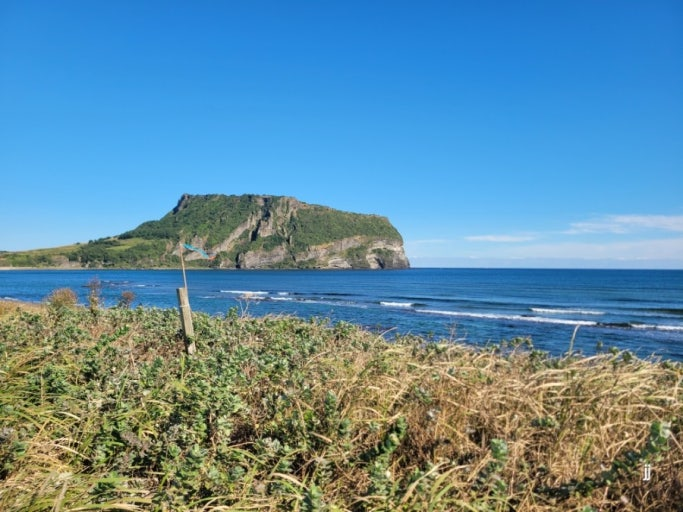
The name means “Sunrise Peak” — the view from the rim at dawn is the most famous single image associated with Jeju. To experience it: arrive at the base 45 minutes before sunrise, hike the 20–30 minute trail to the rim in the dark, and watch the sun rise over the East China Sea from the crater’s edge. It requires an early alarm and advance entry ticket booking, but it is one of those experiences that justifies the entire trip.
Entry: ₩5,000. Hours: 7:30 AM – 7:00 PM (extended in summer). The sunrise hike requires arriving well before official opening — check the official site for seasonal sunrise entry times.
우도 (Udo Island)
Udo is a small island off the eastern tip of Jeju, accessible by ferry from Seongsan Port. The ferry takes 15 minutes and departs every 30 minutes. Udo is famous for its peanut ice cream — made from Udo’s locally grown peanuts — black sand beaches, and a distinctly slower pace than the main island. Seoul Metropolitan Government
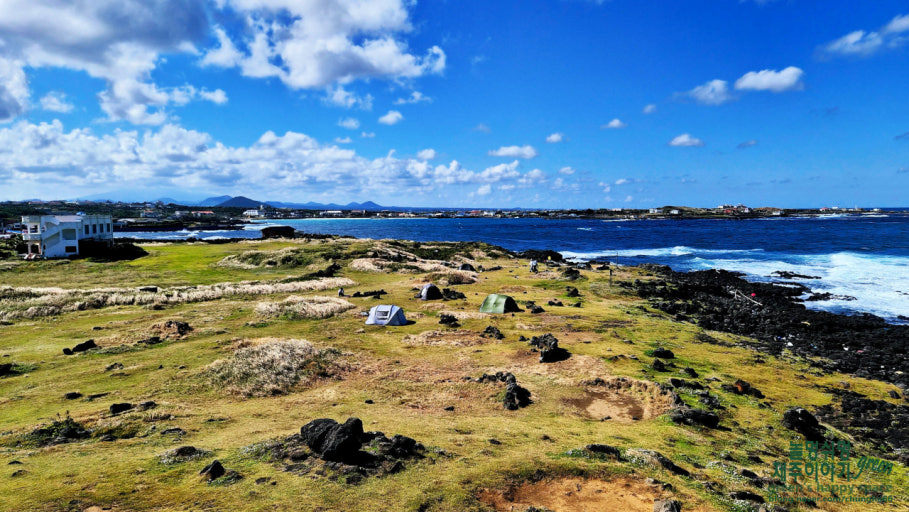
The correct Udo experience: rent an electric scooter or bicycle at the ferry dock, circle the island in 2–3 hours (the entire perimeter is 17km), eat peanut ice cream at one of the roadside stalls, and return to Seongsan for lunch. Do not drive your rental car to Udo — private vehicles are not permitted on the island.
Jeju Island: South Side — Seogwipo and the Waterfalls
Seogwipo is Jeju’s second city and the gateway to the south coast — a quieter, more scenic base than Jeju City, with direct access to the island’s best waterfalls and coastal walks.
천지연폭포 (Cheonjiyeon Falls) and 정방폭포 (Jeongbang Falls)
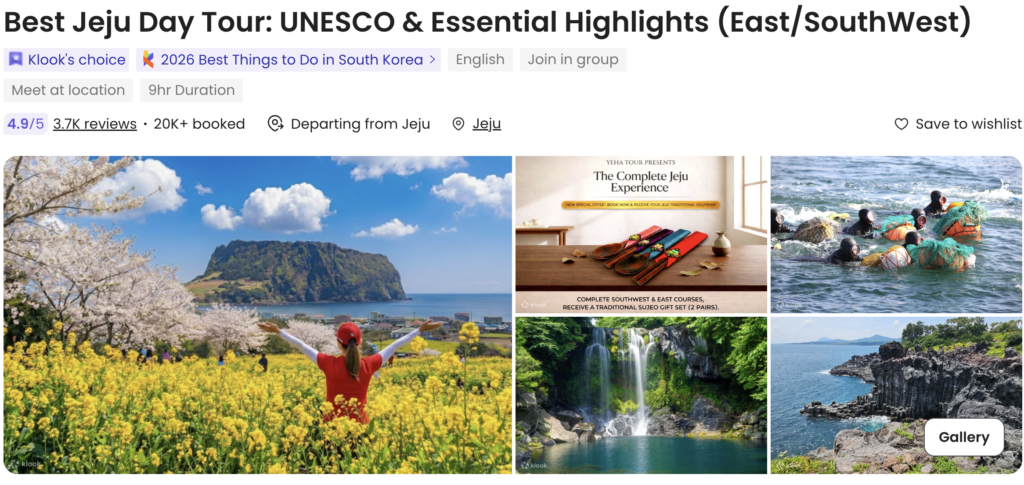
Jeongbang Falls is the only waterfall in Asia that falls directly into the ocean — a 23-meter drop from a cliff face straight into the sea below. Cheonjiyeon Falls drops 22 meters into a pond surrounded by subtropical vegetation and is most dramatic after rain. Both are within 10 minutes of central Seogwipo and require only a short walk from the car park. Seoul Metropolitan Government
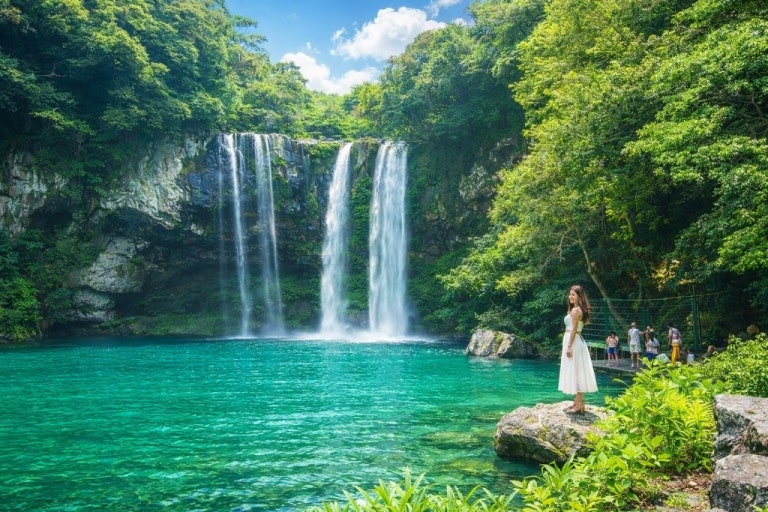
Entry: Cheonjiyeon ₩2,000. Jeongbang ₩2,000.
주상절리 (Jusangjeolli Cliffs)
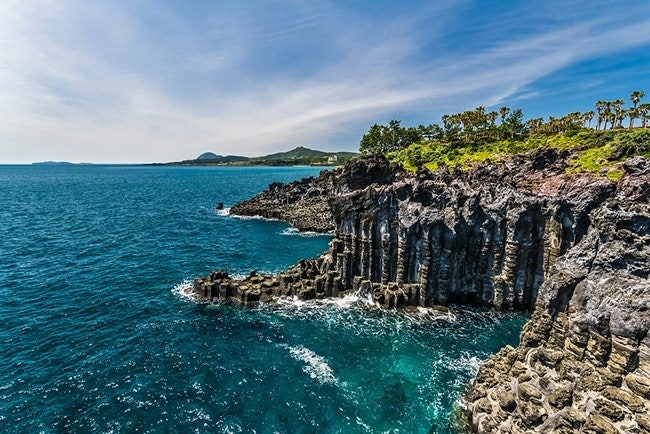
Columnar basalt formations on the south coast — hexagonal volcanic rock columns rising directly from the ocean, formed by lava cooling rapidly as it met the sea. One of Jeju’s most geologically spectacular sites and frequently featured in K-drama outdoor scenes. Entry: ₩2,000.
서귀포 매일올레시장 (Seogwipo Maeil Olle Market)
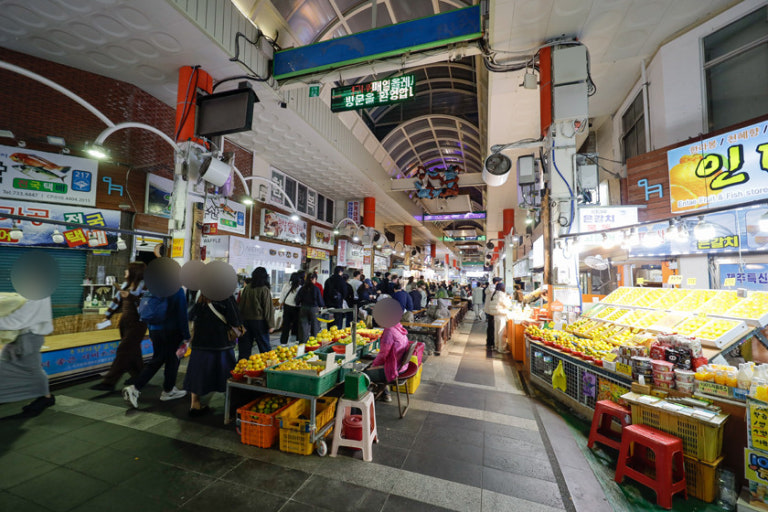
Seogwipo’s daily market is excellent for grabbing fresh seafood, hallabong juice, and dried fish snacks — less touristy and more authentic than the larger markets in Jeju City. The hallabong — Jeju’s distinctive variety of mandarin orange — is sweeter and more fragrant than any citrus available on the mainland. Novotel
Jeju Island: West Side — O’sulloc and the Beaches
오설록 티 뮤지엄 (O’sulloc Tea Museum)
The most popular tea plantation on Jeju Island, opened in 2001, set in lush gardens on the western side of the island. The café offers matcha-based drinks, green tea roll cake, and seasonal specialties — most visitors spend 45–60 minutes here. The Soul of Seoul
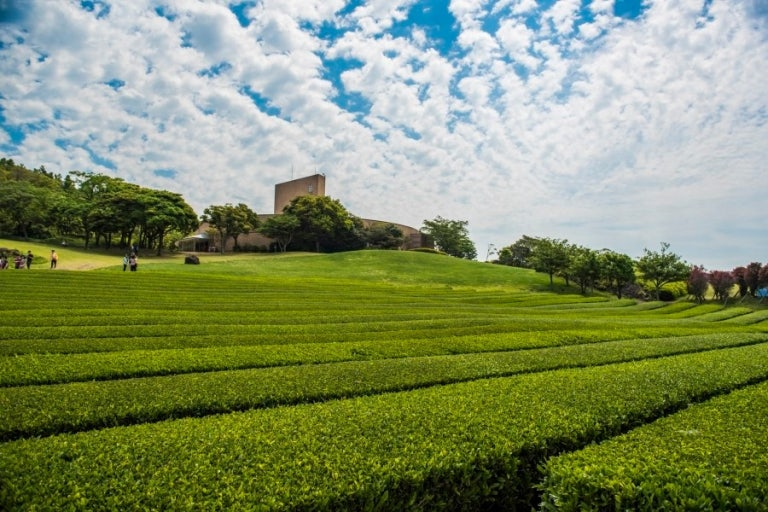
The green tea fields stretching behind the museum building — rolling hillside rows of precisely cultivated tea plants against the backdrop of volcanic hills — are one of the most quietly beautiful landscapes in Korea. Free entry to the museum; food and drinks are priced normally.
협재해변 (Hyeopjae Beach)
Hyeopjae Beach is popular for its white sand and turquoise shallows, perfect for swimming or relaxing. The water clarity is exceptional by Korean standards — on sunny days, the combination of white sand bottom and clear water produces a color that reads Caribbean rather than East Asian. Visit Seoul
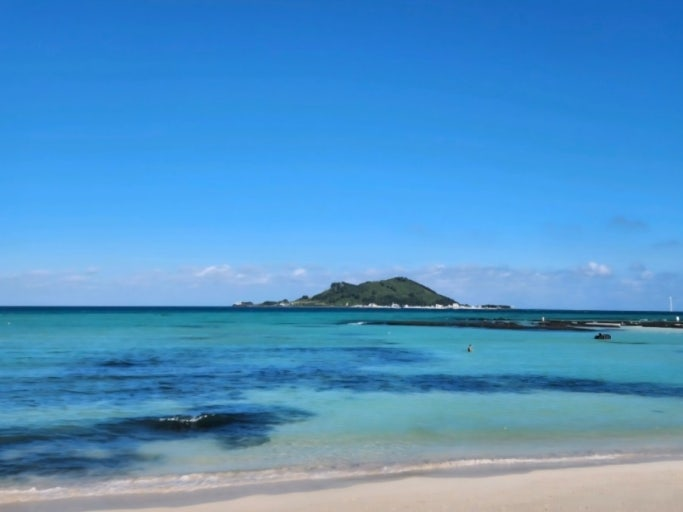
The beach is at its best in May and September — warm enough to swim, not packed with the August holiday crowd. A short walk along the coast reaches Hamdeok Beach, consistently rated the most beautiful beach on the island.
한라산 (Hallasan Mountain) — Korea’s Highest Peak
Hallasan is South Korea’s highest peak at 1,950 meters and dominates the center of Jeju Island. The national park around it is entirely free to enter. Five main trails lead to or toward the summit — two can be combined for a full traverse. VisitJeju
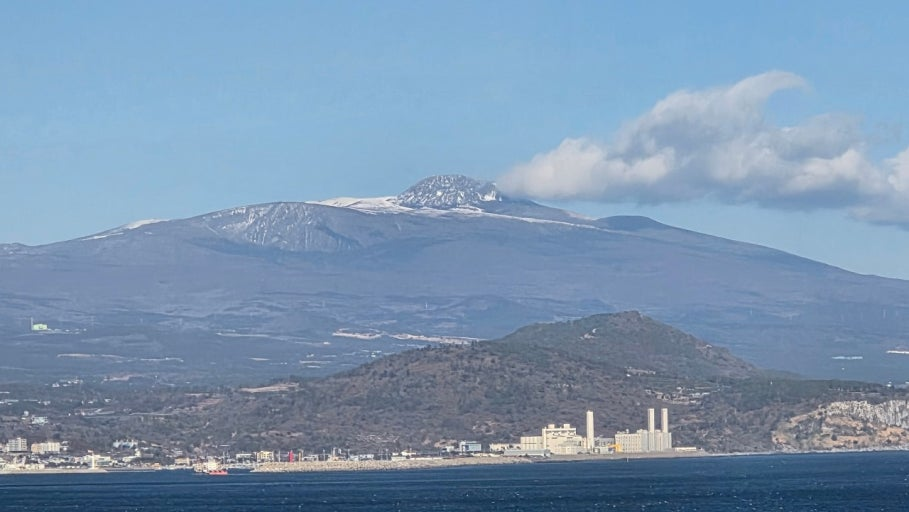
The key logistics:
- Gwaneumsa Trail (북쪽): 8.7km, steep, leads to the summit crater and its lake. The most dramatic trail — summit views extend across the entire island and, on clear days, to the mainland.
- Yeongsil Trail (남쪽): 5.8km to Witse Oreum, does not reach the summit but offers the best volcanic landscape views. Recommended for those not committed to the full summit climb.
- Summit permit: Trail entry closes at specific times depending on season — entry too late means being turned away before the summit. Check the Hallasan National Park website for current cutoff times before your hike day. Novotel
Allow a full day for the summit. Start at dawn. Bring rain gear regardless of the morning forecast — the summit creates its own weather.
해녀 (Haenyeo) — Jeju’s Female Divers
Jeju’s famous female free-divers — mostly grandmothers in their 60s, 70s, and even 80s — have been diving without oxygen tanks to harvest seafood for centuries. They are a UNESCO Intangible Cultural Heritage, and their numbers have dwindled to fewer than 4,000 active haenyeo. Novotel
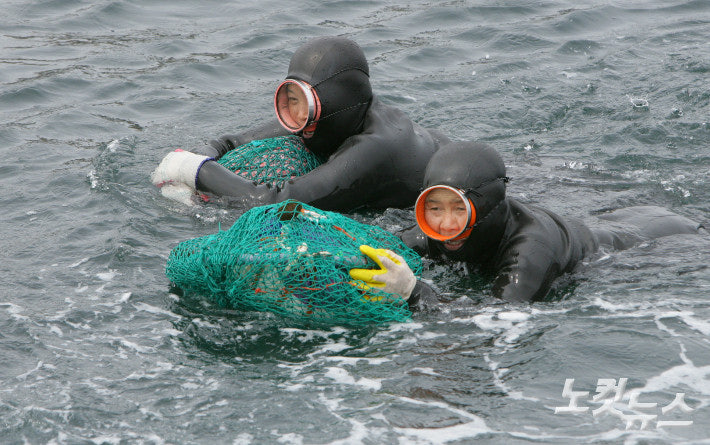
Watching haenyeo work is one of those genuinely rare cultural experiences — women of extraordinary age performing physically demanding work in cold open water, surfacing with abalone, sea cucumber, and sea urchin, resting briefly on the rocks, and diving again. The practice is disappearing as younger generations do not continue it.
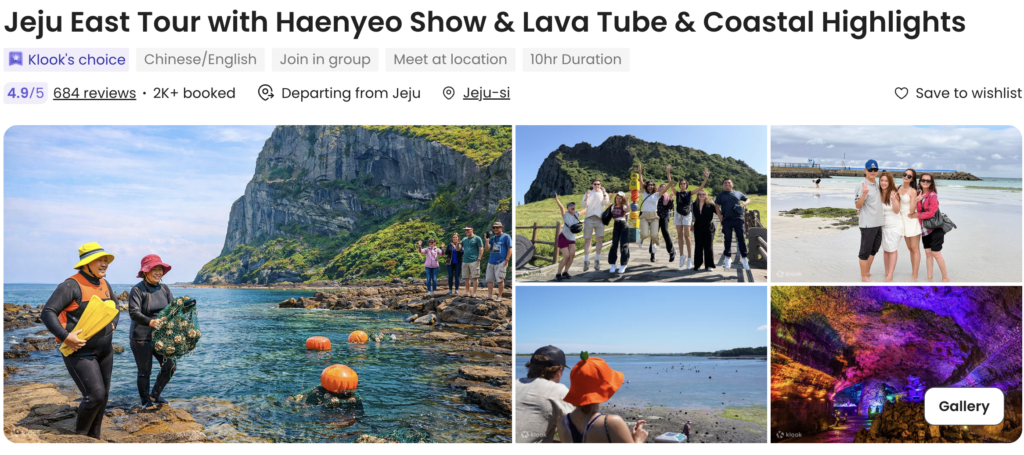
Where to see haenyeo: The eastern and southern coasts — particularly around Seongsan, Pyoseon, and the Seogwipo area — are the most active. The Haenyeo Museum near Seongsan provides historical context and scheduled demonstration times.
Where to eat what they catch: Haenyeo seafood restaurants (해녀의집) near the coast serve raw sea urchin (성게), abalone porridge (전복죽), and sashimi platters within an hour of catch. The freshness is unlike anything available inland.
Jeju Island: What to Eat
| Dish | Korean | Description |
|---|---|---|
| Jeju Black Pork BBQ | 흑돼지 | Local breed, richer flavor than mainland pork — the must-order dinner |
| Abalone Porridge | 전복죽 | Slow-cooked, deeply savory — the definitive Jeju breakfast |
| Raw Sea Urchin | 성게 | Freshest off-season urchin outside of Japan; sweet and oceanic |
| Hallabong | 한라봉 | Jeju’s mandarin variety — sweeter and more fragrant than mainland citrus |
| Black Sesame Ice Cream | 흑임자 아이스크림 | Local specialty; earthy, nutty, visually striking |
| Udo Peanut Ice Cream | 우도 땅콩 아이스크림 | Must-buy on Udo Island — peanuts grown in Udo’s unique soil |
Black pork barbecue is to Jeju what Korean BBQ is to Seoul — the definitive local meat experience, eaten at restaurants specializing exclusively in the local black pig breed. The Dongmun Market area in Jeju City and the area around Seogwipo Bus Terminal have the highest concentration of quality black pork restaurants. Visit Seoul
Jeju Island: Budget Guide
Jeju is moderately priced by Korean standards — cheaper than Seoul for accommodation, but activities and some foods can cost more. Novotel
| Item | Budget | Mid-Range |
|---|---|---|
| Flight (Seoul–Jeju, one way) | ₩40,000–₩70,000 | ₩80,000–₩150,000 |
| Accommodation (per night, 2 people) | ₩60,000–₩90,000 | ₩120,000–₩250,000 |
| Rental car (per day) | ₩35,000–₩50,000 | ₩60,000–₩100,000 |
| Seongsan Ilchulbong entry | ₩5,000 | ₩5,000 |
| Hallasan (national park) | Free | Free |
| Black pork dinner (2 people) | ₩40,000–₩60,000 | ₩70,000–₩120,000 |
| Daily total (2 people sharing) | ₩150,000–₩200,000 | ₩300,000–₩500,000 |
Jeju Island: When to Visit
The best time to visit Jeju Island is spring (April to early June) and fall (September to early November) — moderate temperatures, clear skies for hiking, and seasonal festivals. Visit Seoul
| Season | Conditions | Best For |
|---|---|---|
| Spring (Apr–May) | 15–22°C, cherry blossoms, canola fields | Hiking, photography, couples |
| Summer (Jun–Aug) | 25–33°C, humid, peak crowds | Beaches, swimming — book early |
| Autumn (Sep–Nov) | 15–23°C, foliage, clear skies | Hiking, food, lower crowds |
| Winter (Dec–Feb) | 3–10°C, strong winds, snow on Hallasan | Off-season prices, hallabong season |
Avoid the first week of August (peak Korean summer holidays) and Chuseok week — unless you enjoy fighting for restaurant seats and paying premium rates for everything.
Jeju Island: FAQ
How many days do I need in Jeju? Minimum 3 nights, ideally 4–5. With 3 nights you can cover the east side (Seongsan + Udo), south coast (Seogwipo waterfalls), and west side (O’sulloc + beach). With 4–5 nights, add Hallasan as a dedicated hiking day and allow time for slower exploration. Novotel
Do I need a car in Jeju? Strongly recommended. The island has no subway or train. Buses connect major attractions but are slow and require transfers. A rental car costs approximately ₩35,000–₩50,000 per day and transforms the experience — the best Jeju moments are spontaneous stops on coastal roads that no bus schedule accommodates.
Is Jeju worth visiting in winter? Winter is quieter with lower prices and fewer tourists. The coast stays mild but Hallasan gets snow — the mountain in winter is genuinely striking. Hallabong tangerine season peaks in winter. Strong coastal winds make it feel colder than temperatures suggest. Novotel
Can I do Jeju as a day trip from Seoul? Technically yes, but not advisable. With a 6 AM departure and 9 PM return, you’d have about 10 hours — minus airport time and car pickup, that’s 7 usable hours in a rushed blur. Jeju deserves at least two full days. Novotel
What is the most important thing to see in Jeju? Seongsan Ilchulbong at sunrise is the iconic experience — plan around it. Hallasan is the most physically rewarding. The haenyeo experience near Seongsan is the most culturally irreplaceable. If forced to choose one, the sunrise at Seongsan Ilchulbong.

Korea Insider has lived in South Korea for 50 years and worked at international companies for over two decades — explaining Korean culture, food, and society to colleagues from the US, Europe, and Australia.
Internationally married with a Japanese spouse, Korea Insider brings both an insider’s depth and an outsider’s perspective to every topic on My Korea Tip.