
I grew up eating Korean BBQ the way most Koreans do — not as a special occasion meal but as a default. It’s where families go on weekends, where colleagues go after a difficult week, where friends mark everything from promotions to breakups. In 23 years of working at an international company, I’ve brought more foreign colleagues to Korean BBQ restaurants than any other food experience. The reaction is almost always the same: complete surprise that something this good existed and they didn’t know about it. What I’ve noticed, though, is that foreign visitors often experience Korean BBQ incorrectly — not because they’re doing anything wrong, but because no one has told them the things Korean people absorb without thinking. How to pace the meal. What to wrap in the lettuce and what to eat separately. When to let the server take over the grill and when to manage it yourself. This guide is everything I would tell a foreign colleague before we walked through the door.
This Korean BBQ guide covers everything you need to know before walking into a Korean BBQ restaurant for the first time — from ordering to cooking to eating like a local.
If you’ve never been to a Korean BBQ restaurant, you’re in for one of the best dining experiences of your life.
Strips of marinated meat sizzling on a grill built into your table. Endless small dishes of kimchi, pickled vegetables, and dipping sauces arriving without you asking. Bottles of soju being poured and toasted across the table.
Korean BBQ isn’t just food. It’s a social ritual — and once you understand how it works, you’ll want to do it every single time you’re in Korea.
What Is Korean BBQ?
Korean BBQ — known locally as 고기구이 (gogi-gui, meaning “meat roasting”) — refers to the Korean method of grilling meat at the dining table. Unlike Western BBQ which happens outdoors on a grill, Korean BBQ is done right in front of you, on a gas or charcoal grill embedded in the center of the table.
The experience is interactive, communal, and endlessly fun. You cook your own meat, wrap it in lettuce, load it with toppings, and eat it in one glorious bite.
This Korean BBQ guide will walk you through every step so you feel confident from the moment you sit down.
The Most Popular Korean BBQ Meats
Not all Korean BBQ is the same. Here’s what you’ll find on most menus:
Samgyeopsal (삼겹살) — Pork Belly The most popular Korean BBQ option by far. Thick slices of unseasoned pork belly, grilled until crispy on the outside and juicy inside. Simple, rich, and deeply satisfying. This is what most Koreans order on a regular weeknight out.
Galbi (갈비) — Beef Short Ribs Marinated in a sweet soy-based sauce with garlic, sesame, and asian pear. More upscale than samgyeopsal and slightly more expensive. The marinade caramelizes beautifully on the grill.
Bulgogi (불고기) — Marinated Beef Thinly sliced beef marinated in soy, garlic, sesame oil, and sugar. Tender, sweet, and savory. Often cooked in a pan rather than directly on the grill to prevent the thin slices from falling through.
Chadolbaegi (차돌박이) — Beef Brisket Paper-thin slices of beef brisket that cook in seconds on the grill. Delicate, fatty, and melt-in-your-mouth. Often dipped in sesame oil and salt.
Dak Galbi (닭갈비) — Spicy Chicken Marinated chicken in spicy gochujang sauce. A lighter and more affordable alternative to beef. Very popular with younger Koreans.
Understanding the Side Dishes (Banchan)
One of the best things about Korean BBQ is the banchan — small side dishes that arrive automatically with your meal, completely free of charge.
You’ll typically get 4–8 small plates including kimchi (fermented cabbage), kongnamul (seasoned bean sprouts), japchae (glass noodles), pickled radish, seasoned spinach, and more.
Important banchan rules:
- Banchan is communal — eat directly from the shared plates
- You can ask for refills at any time, completely free
- Don’t pour your own drink — pour for others and let them pour for you
How to Cook Korean BBQ Step by Step
Here’s exactly how a Korean BBQ meal works:
Step 1 — Order your meat Choose 1–2 types of meat per person. Samgyeopsal and galbi are the safest first choices. Most restaurants charge per portion (인분, inbun) — one portion is usually enough for one person.
Step 2 — The grill heats up The server will light the grill and often start cooking the first round of meat for you. Watch carefully — this is how it’s supposed to be done.
Step 3 — Cook the meat Use the tongs (집게, jipge) and scissors (가위, gawi) on the table to manage the meat. Yes, scissors — Koreans use kitchen scissors to cut meat into bite-sized pieces right on the grill. Don’t be surprised.
Step 4 — Make a ssam (wrap) This is the best part. Take a piece of lettuce or perilla leaf, add a piece of grilled meat, a small spoonful of rice, a dab of ssamjang (spicy fermented paste), a slice of garlic, and whatever else looks good. Fold it up and eat it in one bite.
Step 5 — Drink and repeat Pour soju or beer for your neighbors. Let them pour for you. Order more meat. Repeat until satisfied.
What to Drink with Korean BBQ
Soju (소주) Korea’s iconic clear spirit, usually 16–25% alcohol. Served ice cold in small shot glasses. The classic pairing with samgyeopsal — the combination is so iconic it has its own name: 삼겹살에 소주 (samgyeopsal-e soju).
Maekju (맥주) — Korean Beer Cass and Hite are the most common draft beers. Light, clean, and very drinkable. Perfect for washing down rich, fatty pork.
Somaek (소맥) A mix of soju and beer — Korea’s version of a boilermaker. Usually a 3:7 ratio of soju to beer. Extremely popular and dangerously easy to drink.
Non-alcoholic options Sikhye (sweet rice punch) or bori cha (barley tea) are traditional non-alcoholic options. Most restaurants also serve cola and juice.
Korean BBQ Etiquette: Do’s and Don’ts
Do’s:
- Pour drinks for others before pouring for yourself
- Use two hands when receiving a drink from someone older
- Let the eldest person at the table eat first
- Say 잘 먹겠습니다 (jal meok-ge-sseum-ni-da — “I will eat well”) before eating
Don’ts:
- Don’t stick chopsticks upright in rice — it resembles funeral rites
- Don’t pour your own drink if others are at the table
- Don’t blow your nose at the table
- Don’t leave immediately after finishing — Korean BBQ meals are long and social
How Much Does Korean BBQ Cost?
Korean BBQ ranges widely in price depending on the restaurant and meat type.
| Type | Price per portion |
|---|---|
| Samgyeopsal | ₩12,000–₩18,000 |
| Galbi | ₩18,000–₩35,000 |
| Wagyu/Premium | ₩50,000+ |
A typical meal for two with 2–3 meat portions, banchan, rice, and drinks usually costs ₩40,000–₩80,000 (about $30–$60). Significantly cheaper and more fun than a steakhouse equivalent anywhere in the West.
Best Korean BBQ Restaurants for First-Timers
Budget-friendly: Mapo Galmaegi (마포 갈매기) chains are great for samgyeopsal. Clean, reliable, and always busy with locals.
Mid-range: Palsaik Samgyeopsal (팔색삼겹살) offers 8 flavors of pork belly — a great introduction for first-timers.
Upscale: Hanwoo (한우) restaurants specialize in premium Korean beef. Expensive but extraordinary quality.
For more on navigating Seoul, check out our Seoul Subway Guide to get around the city easily.
Final Tips for Your First Korean BBQ Experience
Go hungry. Korean BBQ is a feast. Don’t snack beforehand.
Go with a group. The more people, the more variety of meat you can order, and the more fun the experience.
Tell the server it’s your first time. Koreans are incredibly hospitable — most servers will happily guide you through the process.
Smell is part of the experience. Your clothes will smell like grilled meat afterward. This is unavoidable and completely normal. Koreans joke about it too.
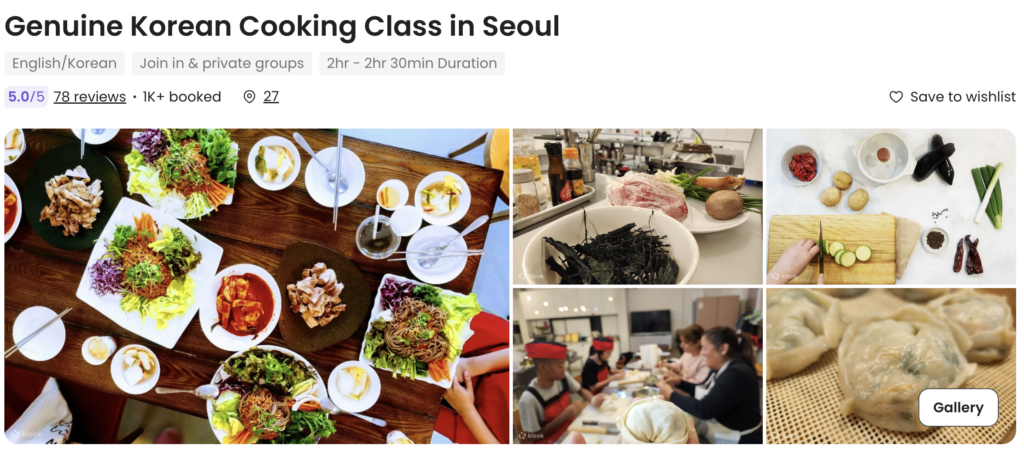
New to Korean BBQ? Join a Korean BBQ cooking class on Klook — an English-speaking host walks you through everything from grilling to wrapping the perfect ssam.

Hungry for more Korean food tips? Check out our Korean Convenience Store Guide for affordable eats on the go.

Korea Insider has lived in South Korea for 50 years and worked at international companies for over two decades — explaining Korean culture, food, and society to colleagues from the US, Europe, and Australia.
Internationally married with a Japanese spouse, Korea Insider brings both an insider’s depth and an outsider’s perspective to every topic on My Korea Tip.
Pingback: Why Koreans Look So Young: Real Secrets Explained - My Korea Tip