
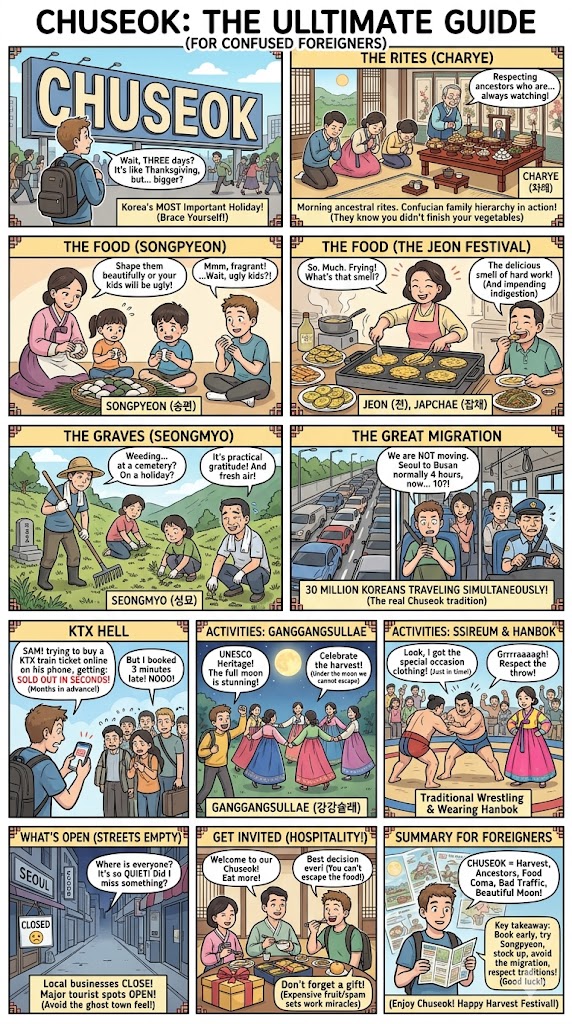
Chuseok Korean Thanksgiving is the most important holiday in Korea — a three-day celebration of harvest, family, and ancestral gratitude that brings the entire country to a standstill.
If you’re visiting Korea around the Chuseok Korean Thanksgiving period, understanding what happens — and what to expect — makes the experience infinitely richer. If you’re simply curious about Korean culture, Chuseok Korean Thanksgiving reveals more about Korean values, family structure, and traditions than almost any other aspect of Korean life.
This complete guide covers everything foreigners need to know about Chuseok Korean Thanksgiving — from ancestral rites to traditional foods to practical travel warnings.
Before exploring Chuseok Korean Thanksgiving, read our Korean Age Culture Guide — the Confucian respect for elders and ancestors that defines Chuseok Korean Thanksgiving is the same hierarchy that shapes all Korean social interaction.
What Is Chuseok Korean Thanksgiving?
Chuseok (추석) — literally meaning “autumn evening” — is Korea’s harvest festival and one of its two most important national holidays alongside Seollal (Korean Lunar New Year).
Chuseok Korean Thanksgiving falls on the 15th day of the 8th month of the lunar calendar — typically in September or October by the Western calendar. The Chuseok Korean Thanksgiving holiday spans three days: the day before Chuseok, Chuseok day itself, and the day after.
The Chuseok Korean Thanksgiving comparison to Western Thanksgiving is apt — both holidays center on harvest gratitude, family reunion, and traditional food. But Chuseok Korean Thanksgiving has a distinctly Korean dimension: ancestral veneration that connects the living to deceased family members in ways that make Chuseok Korean Thanksgiving one of the most spiritually significant events in Korean culture.
Chuseok Korean Thanksgiving: The Ancestral Rites (차례, Charye)
The heart of Chuseok Korean Thanksgiving is charye — the ancestral memorial rite performed on Chuseok morning.
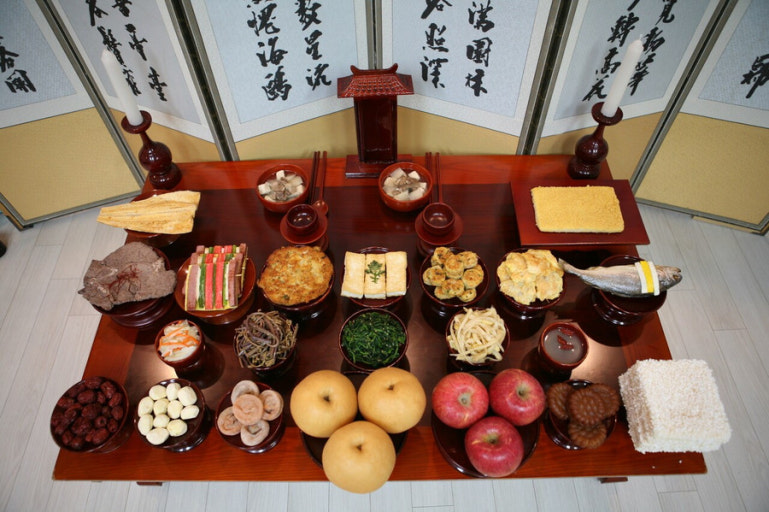
On Chuseok Korean Thanksgiving morning, Korean families wake early and prepare an elaborate table of traditional foods as an offering to deceased ancestors. The Chuseok Korean Thanksgiving charye table — called jesik (제식) — includes specific foods arranged in specific positions according to ritual tradition.
Chuseok Korean Thanksgiving charye table foods:
- Songpyeon (송편) — the Chuseok Korean Thanksgiving rice cake
- Rice and soup
- Various jeon (Korean savory pancakes)
- Fresh fruits — apples, pears, persimmons, dates
- Dried fish and meat dishes
- Rice wine (cheongju)
The family bows deeply before the Chuseok Korean Thanksgiving ancestor table — communicating gratitude, respect, and continued connection to those who came before. After the Chuseok Korean Thanksgiving charye, the family eats the foods together.
The Chuseok Korean Thanksgiving ancestral rite reflects the Confucian belief that obligations to family extend beyond death — one of the most fundamental values in Korean culture and one that Chuseok Korean Thanksgiving expresses most powerfully.
Chuseok Korean Thanksgiving: Songpyeon (송편)
Songpyeon is the Chuseok Korean Thanksgiving food — the half-moon shaped rice cake that is as symbolically central to Chuseok Korean Thanksgiving as turkey is to American Thanksgiving.
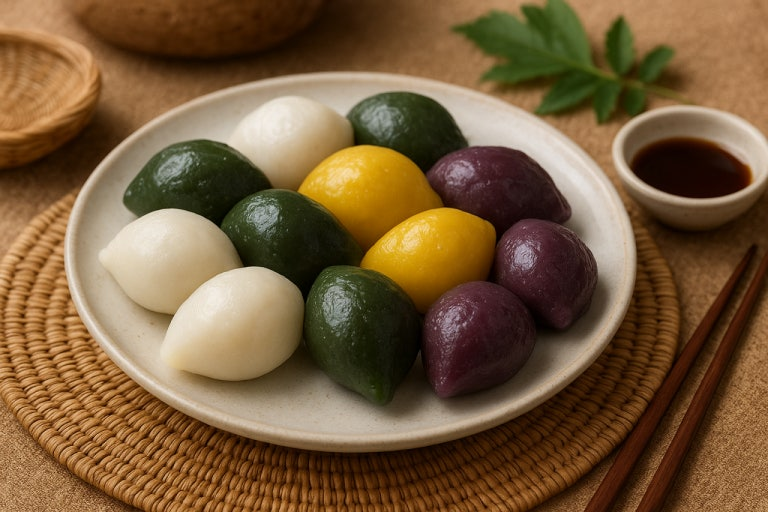
Songpyeon is made from rice flour dough filled with sweet fillings — sesame seeds and honey, sweet red beans, chestnuts, or pine nuts — then steamed over pine needles that give the Chuseok Korean Thanksgiving rice cake its distinctive fragrance.
Chuseok Korean Thanksgiving songpyeon tradition: Making songpyeon together as a family is one of the most beloved Chuseok Korean Thanksgiving customs. Korean tradition holds that the more beautifully you shape your Chuseok Korean Thanksgiving songpyeon, the more beautiful your children will be — a charming folk belief that makes songpyeon-making one of the most family-participatory Chuseok Korean Thanksgiving activities.
Chuseok Korean Thanksgiving songpyeon varieties:
- Sesame and honey — the most traditional Chuseok Korean Thanksgiving filling
- Sweet red bean (팥, pat) — most common Chuseok Korean Thanksgiving variety
- Chestnut — nutty and slightly sweet
- Green pine needle songpyeon — colored with mugwort
Chuseok Korean Thanksgiving: Seongmyo (성묘)
After the morning Chuseok Korean Thanksgiving charye, families travel to ancestral graves for seongmyo — grave visiting and cleaning.
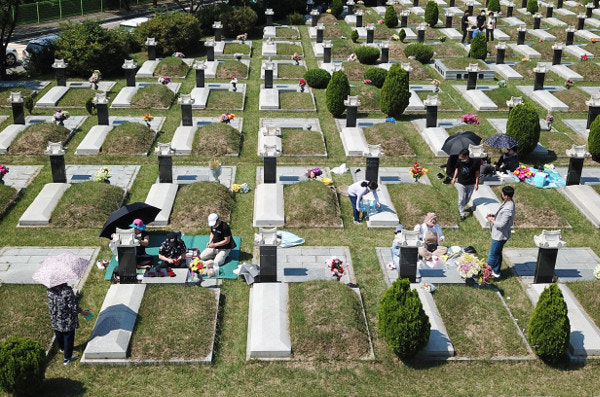
Seongmyo during Chuseok Korean Thanksgiving involves cleaning the grave site, removing weeds, and performing a simplified version of the ancestral rite at the graveside. The Chuseok Korean Thanksgiving grave visit is both a practical act of maintenance and a spiritual act of respect.
The Chuseok Korean Thanksgiving seongmyo tradition means that Korean highways become completely gridlocked as tens of millions of Koreans travel to their hometowns simultaneously — creating the most dramatic traffic event in Korean society.
Chuseok Korean Thanksgiving: The Great Migration
The Chuseok Korean Thanksgiving holiday triggers the largest human migration in Korean history — repeated every year.
As Chuseok Korean Thanksgiving approaches, virtually every Korean who lives outside their hometown travels back to their family. Highways become parking lots. Train tickets sell out months in advance. Airports operate at maximum capacity.
Chuseok Korean Thanksgiving travel statistics:
- Over 30 million Koreans travel during the Chuseok Korean Thanksgiving period
- Highway travel times between Seoul and Busan can exceed 8 hours (normally 4 hours)
- KTX train tickets for Chuseok Korean Thanksgiving sell out within minutes of release
Chuseok Korean Thanksgiving travel warning for foreigners: Do not plan to travel between Korean cities during the Chuseok Korean Thanksgiving period unless you book months in advance. Read our Incheon Airport to Seoul Guide for airport planning around Chuseok Korean Thanksgiving.
Chuseok Korean Thanksgiving: Traditional Foods
Beyond songpyeon, Chuseok Korean Thanksgiving features a rich spread of traditional Korean foods.
Chuseok Korean Thanksgiving Jeon (전)
Jeon — Korean savory pancakes — are the most labor-intensive and most beloved Chuseok Korean Thanksgiving food. Korean families spend hours preparing various jeon for the Chuseok Korean Thanksgiving table.
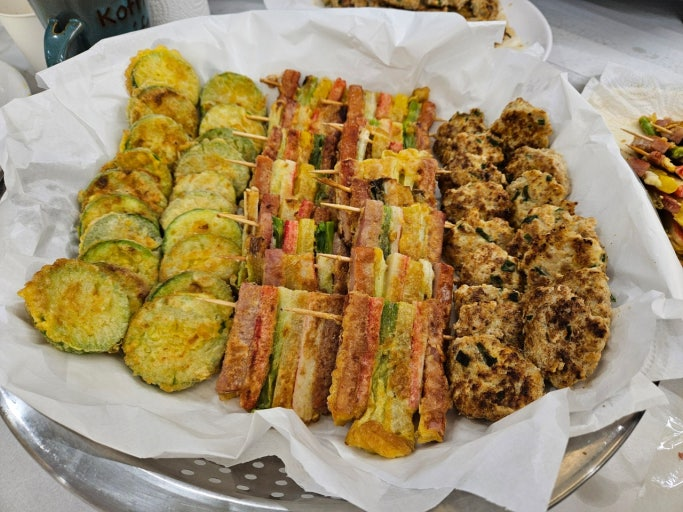
Chuseok Korean Thanksgiving jeon varieties:
- Hobakjeon (호박전) — zucchini pancakes
- Saengseonjeon (생선전) — fish pancakes
- Yukjeon (육전) — beef pancakes
- Kimchi jeon — kimchi pancakes
The smell of jeon frying is the sensory signature of Chuseok Korean Thanksgiving in Korean households — one of the most powerful food memories for Koreans who grew up celebrating Chuseok Korean Thanksgiving.
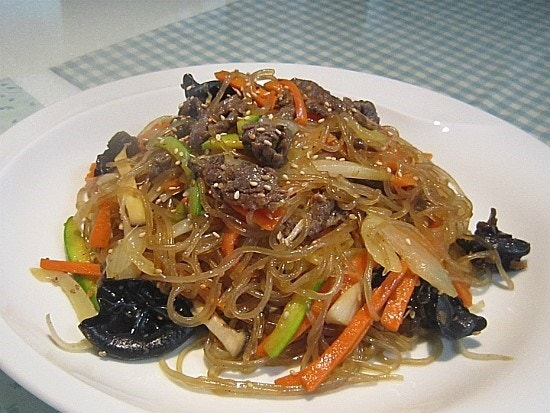
Chuseok Korean Thanksgiving Japchae (잡채)
Japchae — glass noodles with vegetables and beef — appears at virtually every Chuseok Korean Thanksgiving table. The dish’s colorful appearance and celebratory associations make it a Chuseok Korean Thanksgiving staple.
Chuseok Korean Thanksgiving Fruits
Fresh autumn fruits — apples, Asian pears, persimmons, and grapes — are central to the Chuseok Korean Thanksgiving table both as offerings and as family snacks.
Chuseok Korean Thanksgiving: Traditional Activities
Chuseok Korean Thanksgiving Ganggangsullae (강강술래)
Ganggangsullae is the traditional Chuseok Korean Thanksgiving circle dance — women in hanbok holding hands and dancing in a large circle under the full harvest moon.
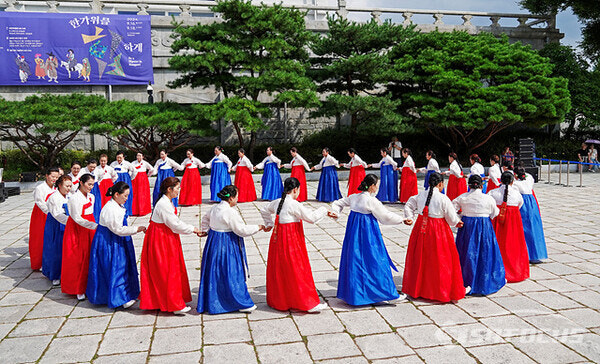
Originally performed by women in coastal communities during the Joseon Dynasty, ganggangsullae during Chuseok Korean Thanksgiving has become a UNESCO Intangible Cultural Heritage. The Chuseok Korean Thanksgiving full moon — considered the most beautiful moon of the year in Korean tradition — is the backdrop for this ancient celebration.
Chuseok Korean Thanksgiving Ssireum (씨름)
Ssireum — traditional Korean wrestling — has been performed during Chuseok Korean Thanksgiving for centuries. Two competitors grasp each other’s cloth belts and attempt to throw the opponent to the ground.
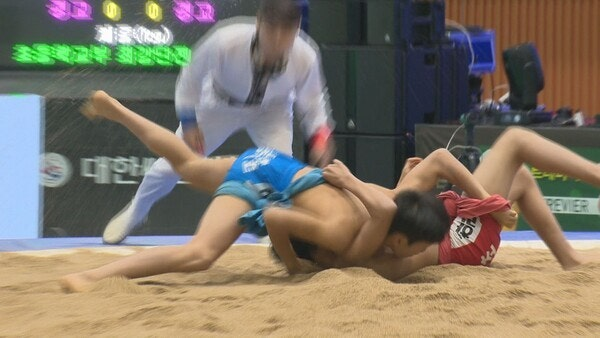
While professional ssireum during Chuseok Korean Thanksgiving is televised nationally, local community ssireum competitions during Chuseok Korean Thanksgiving remain a traditional feature of Korean rural celebrations.
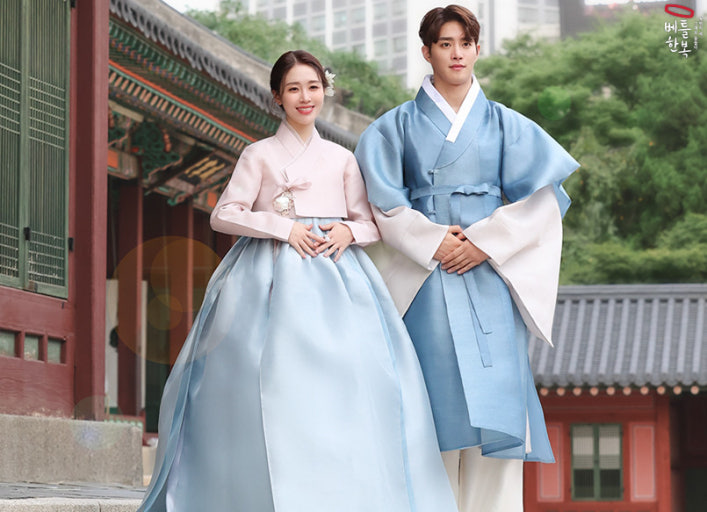
Chuseok Korean Thanksgiving Hanbok (한복)
Wearing hanbok — traditional Korean dress — during Chuseok Korean Thanksgiving is one of the holiday’s most visually distinctive features. Many Koreans who wear hanbok only once or twice per year specifically do so for Chuseok Korean Thanksgiving.
Chuseok Korean Thanksgiving: What Foreigners Experience
What Is Open During Chuseok Korean Thanksgiving
Chuseok Korean Thanksgiving is the one time Seoul genuinely empties out. Most Korean businesses close for the Chuseok Korean Thanksgiving holiday period.
Typically CLOSED during Chuseok Korean Thanksgiving:
- Most restaurants and local businesses
- Many shops and markets
- Government offices and banks
Typically OPEN during Chuseok Korean Thanksgiving:
- Major tourist attractions (Gyeongbokgung, etc.)
- Convenience stores (24 hours as always)
- Large chain restaurants
- Hotel restaurants
- Tourist-area businesses
Chuseok Korean Thanksgiving as a Foreigner in Korea
If you’re in Korea during Chuseok Korean Thanksgiving, the experience is genuinely unique. The streets of Seoul become unusually quiet as residents return to hometowns. Tourist attractions are less crowded. And some Korean friends or colleagues may invite you to experience Chuseok Korean Thanksgiving with their family — an invitation that should be accepted enthusiastically if offered.
Being invited to a Korean family’s Chuseok Korean Thanksgiving is one of the most generous hospitality gestures in Korean culture. If invited to Chuseok Korean Thanksgiving, bring a gift — traditional Chuseok Korean Thanksgiving gift sets (food, cosmetics, or health supplements in elaborate packaging) are sold everywhere in the weeks before the holiday.
Chuseok Korean Thanksgiving vs Seollal
Korea has two major traditional holidays — Chuseok Korean Thanksgiving and Seollal (Korean Lunar New Year). Both involve family reunion, ancestral rites, and traditional food — but with important differences.
| Aspect | Chuseok Korean Thanksgiving | Seollal |
|---|---|---|
| Season | Autumn (Sep/Oct) | Winter (Jan/Feb) |
| Traditional food | Songpyeon | Tteokguk (rice cake soup) |
| Significance | Harvest gratitude | New Year renewal |
| Activities | Ganggangsullae, ssireum | Sebae (New Year bow) |
| Gift-giving | ✅ Strong tradition | ✅ Strong tradition |
Chuseok Korean Thanksgiving: Practical Tips for Foreigners
Book travel months in advance. KTX tickets for the Chuseok Korean Thanksgiving period sell out almost immediately upon release. If you plan to travel during Chuseok Korean Thanksgiving, book 2–3 months ahead.
Stock up before Chuseok Korean Thanksgiving. Many local shops close for the Chuseok Korean Thanksgiving holiday. Stock your accommodation with food and supplies before the holiday begins.
Visit palaces during Chuseok Korean Thanksgiving. Gyeongbokgung and other major palaces hold free traditional performances and activities during Chuseok Korean Thanksgiving — and crowds are lighter than usual as many Seoul residents are away.
Try songpyeon. Convenience stores, supermarkets, and street vendors sell songpyeon in the weeks before Chuseok Korean Thanksgiving — try this Chuseok Korean Thanksgiving treat while it’s available. Read our Korean Convenience Store Guide for the best convenience store Chuseok Korean Thanksgiving options.
Respect the family focus. Chuseok Korean Thanksgiving is Korea’s most family-centered holiday. Korean friends may be less available during Chuseok Korean Thanksgiving as they spend time with family — this is completely normal and not a reflection of your relationship.
Want to experience more Korean culture? Read our Things to Do in Seoul Guide and Korean Food Guide for the complete Seoul experience.

Korea Insider has lived in South Korea for 50 years and worked at international companies for over two decades — explaining Korean culture, food, and society to colleagues from the US, Europe, and Australia.
Internationally married with a Japanese spouse, Korea Insider brings both an insider’s depth and an outsider’s perspective to every topic on My Korea Tip.