
Korean solo culture is one of the most significant social shifts of the past decade in a country where communal eating was not merely preferred but structurally assumed. The word 혼밥 (honbap) — combining the Korean for “alone” (혼자, honja) and “rice/meal” (밥, bap) — entered the Korean vocabulary as a descriptor for something slightly shameful and emerged as a lifestyle category with its own restaurants, content format, and cultural pride. That trajectory, from stigma to celebration in approximately ten years, tells you something important about what Korea is becoming.
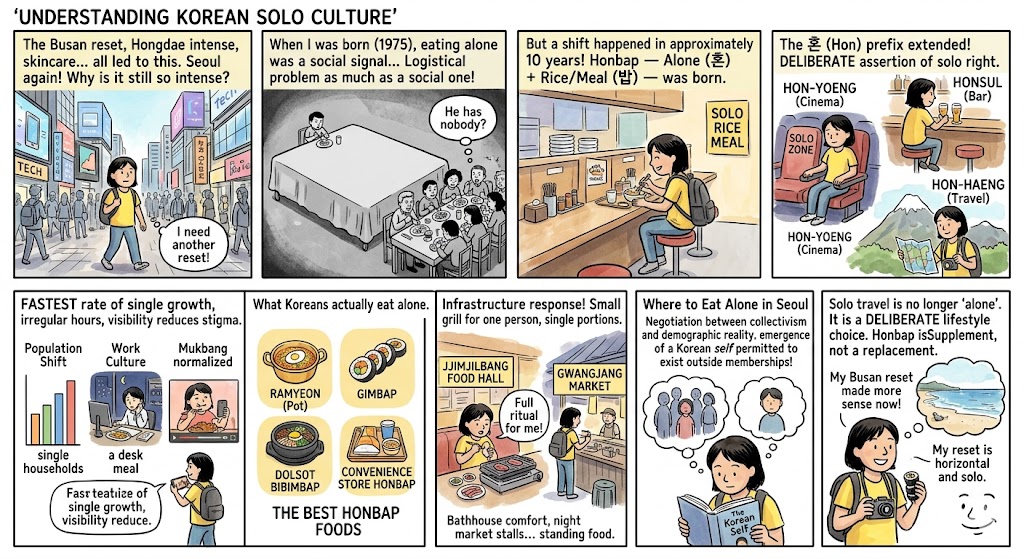
I was born in Seoul in 1975 and have watched this shift happen from the inside. When I was growing up, eating alone in Korea was a social signal — it meant you had nobody to eat with, which was a statement about your social standing that Koreans were acutely aware of. The restaurant tables were designed for groups. The portions were calibrated for sharing. A single person at a Korean BBQ grill was a logistical problem as much as a social one.
That has changed substantially. Here is why, and what it means for visitors trying to understand contemporary Korea.
What Honbap Actually Is
Honbap (혼밥) is the practice of eating alone — specifically eating a proper meal alone, in a restaurant, by choice. The distinction between eating alone at home and eating alone in a restaurant is culturally important in Korea because the restaurant meal has always been a social act — you go with colleagues, with family, with friends. Honbap is the deliberate assertion that a solo person deserves a restaurant meal as much as a group does.
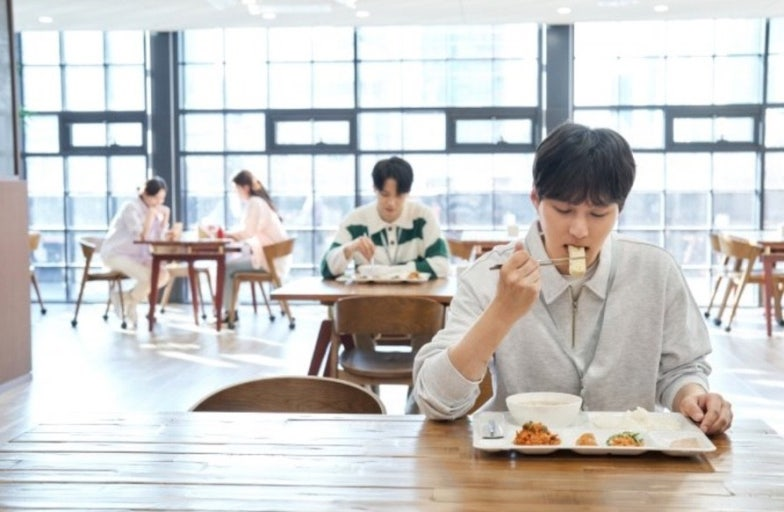
The 혼 (hon) prefix has extended into a full linguistic category. 혼술 (honsul) is drinking alone. 혼영 (honyeong) is watching a film alone. 혼놀 (honnol) is playing alone. 혼행 (honhaeng) is travelling alone. Each represents a domain of Korean social life that was previously assumed to require company, now reframed as a legitimate solo activity.
The emergence of this vocabulary reflects something real: a growing population of Koreans who live alone, work long hours, and have concluded that waiting for company before engaging with the pleasures of Korean food culture is no longer a reasonable trade.
Why Korean Solo Culture Emerged
Three structural forces drove the honbap phenomenon, and they are all still accelerating.
Single-person households
South Korea now has over 9 million single-person households — approximately 34% of all households as of 2024. This is the fastest rate of single-person household growth in the OECD and reflects a convergence of delayed marriage, rising divorce rates, and the economic difficulty of forming families that the Korea birth rate makes visible in its most extreme form.
A population of 9 million people living alone represents 9 million people who need to eat every day, often alone. The restaurant and food industry has had to respond or lose the business.
Work culture
Korea’s work culture produces long hours, irregular schedules, and a professional environment where eating lunch alone at your desk or between meetings is a practical reality for significant portions of the workforce. The stigma of honbap was always somewhat selective — eating alone at the office was acceptable; eating alone at a restaurant was not. As work demands intensified and schedules fragmented, the gap between acceptable and unacceptable solo eating became increasingly difficult to maintain.
In my 23 years of international business in Korea, I watched the honbap shift happen partly through simple necessity — the hours required by Korean corporate culture made synchronized group meals increasingly impractical, and the cultural accommodation followed.
Digital solo culture and mukbang
The mukbang phenomenon — eating on camera for a live audience — was both a symptom and a driver of the honbap normalization. It provided a digital solution to the loneliness of solo eating while simultaneously making solo eating visible, common, and eventually aspirational. The millions of Koreans who watched mukbang content while eating alone normalized an experience that had previously felt shameful. Visibility reduced stigma.
The Full Spectrum: Beyond Honbap
The solo culture movement in Korea is broader than food. Understanding the full range explains why honbap is a social phenomenon rather than merely a dining preference.
혼술 (Honsul) — Drinking Alone
Drinking alone in Korea was historically more stigmatised than eating alone — the social drinking culture (the rounds of soju, the toasting rituals, the mutual pouring) is so embedded in Korean social life that drinking outside of it read as isolated. The honsul movement — bars and convenience stores that actively cater to solo drinkers — represents a genuine cultural shift in how Koreans relate to alcohol as a personal pleasure rather than exclusively a social lubricant.
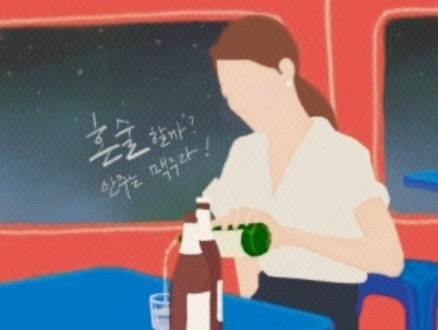
The rise of craft beer and cocktail culture in Korea has facilitated this — bar seating designed for solo customers, menus presented as individual-experience offerings, and a bartender culture borrowed partly from Japan that treats solo bar attendance as entirely normal.
혼영 (Honyeong) — Cinema Alone
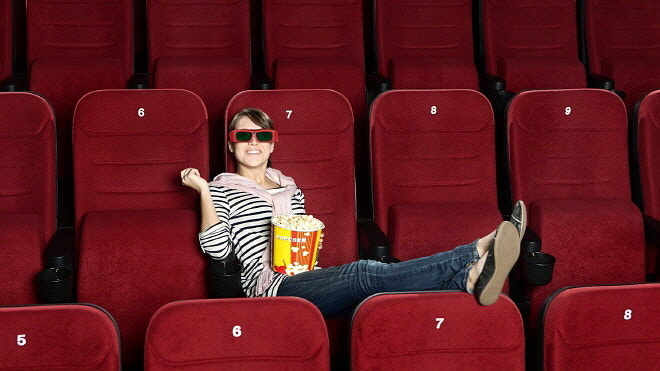
Korean cinemas now offer single seats in specific sections as a standard option — not leftover tickets but deliberately configured solo seating with armrests that don’t require negotiation. The cinemas around Hongdae and in the CGV and Lotte Cinema chains have developed “solo zones” that reflect actual demand.
혼행 (Honhaeng) — Solo Travel
Solo travel in Korea has grown substantially, partly driven by the same demographic forces behind honbap. My solo travel Korea guide covers the practical dimension; the cultural significance is that travelling alone in Korea is no longer seen as something that happened because you couldn’t find a companion. It is increasingly understood as a deliberate lifestyle choice by Koreans themselves — a form of self-investment that the older generation’s collectivism made difficult to legitimize.
The Best Honbap Foods: What Koreans Actually Eat Alone
Not all Korean food is equally suited to solo eating. The dishes that dominate the honbap restaurant scene have been selected by actual practice — what Koreans actually order when eating alone.
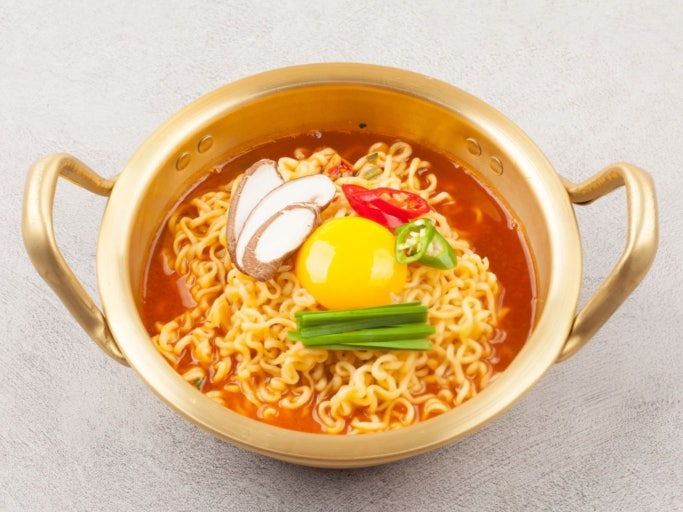
Ramyeon (라면)
Instant noodles cooked to order — not the cup version, but the pot version prepared at a counter with eggs, vegetables, and your choice of protein — is the most quintessential honbap food. Fast, hot, customisable, and eaten at a counter stool. Every Korean food hall and most neighbourhood restaurants serve a version. Budget ₩4,000–₩8,000.
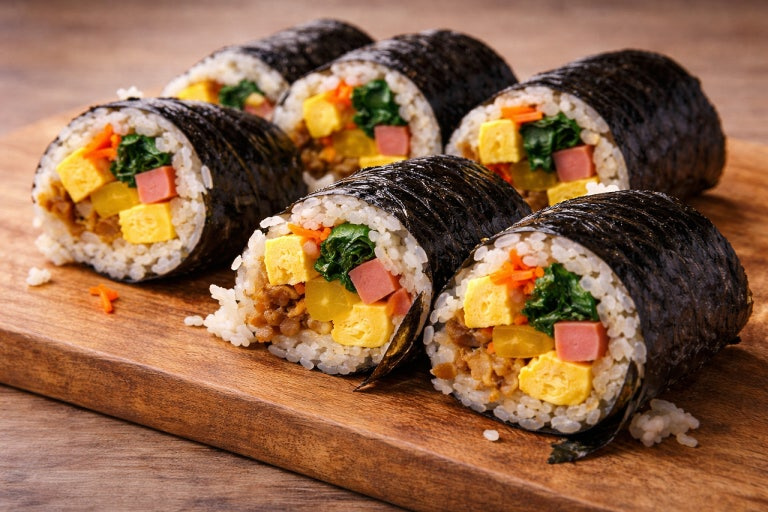
Gimbap (김밥)
The Korean rice roll — seaweed, rice, and fillings, sliced into rounds — is designed for individual eating. A single gimbap roll constitutes a meal. Available at dedicated gimbap restaurants, markets, and convenience stores. The Gwangjang Market version, rolled fresh at a market stall, is the best accessible honbap meal in Seoul.
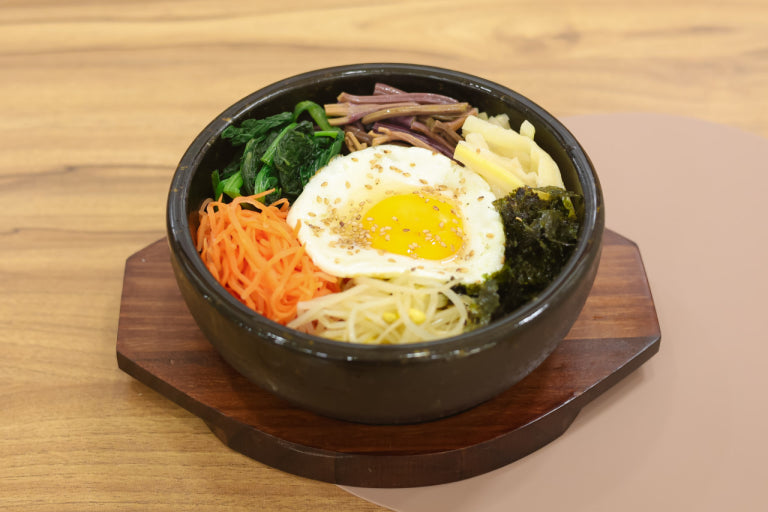
Dolsot bibimbap (돌솥비빔밥)
The stone pot bibimbap is perfectly calibrated for solo eating — an individual portion in a heated vessel that crisps the rice at the bottom while you eat. The restaurant version of bibimbap, available everywhere, is one of the most complete solo meals in Korean cuisine.
Convenience store honbap
The Korean convenience store as meal provider is the most democratic version of honbap culture — triangular rice balls (삼각김밥), microwaveable rice and protein sets, instant noodles cooked in the store, and the specific combination meals that convenience store staff eat during breaks. Budget ₩4,000–₩8,000. Nutritionally adequate, surprisingly satisfying, and the honbap experience that most Koreans under 35 know best.
Solo Korean BBQ
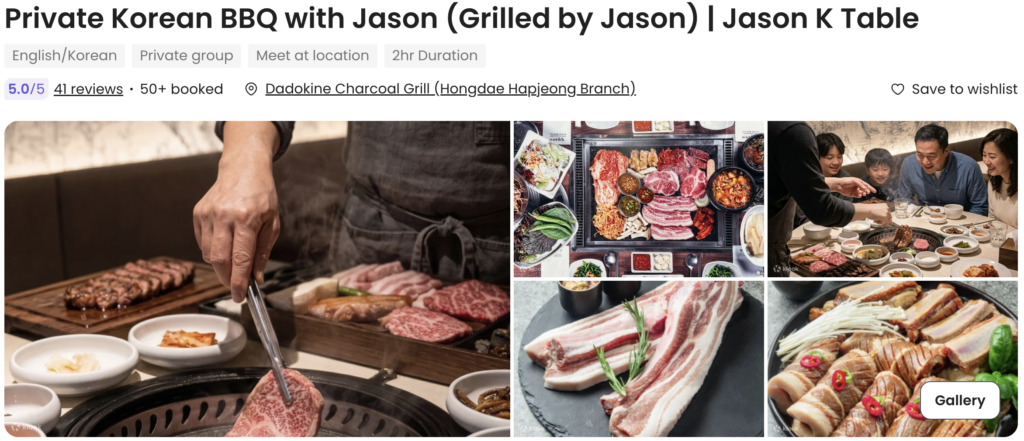
The development of dedicated solo Korean BBQ restaurants is one of the most concrete infrastructure responses to the honbap movement. These establishments configure individual grills sized for one person, provide single-portion meat cuts, and offer the full banchan experience for a solo diner. The experience is specifically designed — not the group BBQ with one person at it, but a format built from the beginning for solo enjoyment.
Where to Eat Alone in Seoul
Convenience stores: The most immediate honbap option. The GS25 and CU branches near university areas tend to have the best prepared food sections. The combination of a rice triangle, a cup of miso soup (heated at the store), and a side item from the refrigerated section is a ₩6,000 meal that Koreans eat without self-consciousness.
Gimbap restaurants: The dedicated gimbap restaurant (김밥천국 and equivalents) is the most specifically honbap-friendly Korean establishment — counter seating, individual portions, fast service, and a menu that assumes solo diners. Present on virtually every Seoul block.
Ramen counters: Japanese-style ramen restaurants with counter seating and individual portions have established themselves alongside Korean ramyeon options. Both formats are solo-friendly by design.
Jjimjilbang food halls: The bathhouse culture has its own food ecosystem — the egg and sikhye combination that is traditional jjimjilbang food, available at any hour, eaten alone in the rest area. A specifically Korean version of solo comfort eating.
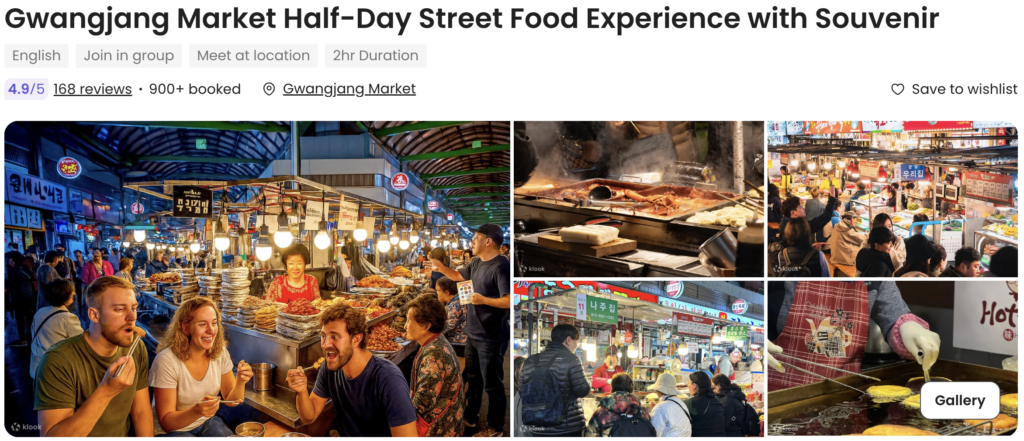
Night markets and pojangmacha: Standing food at night market stalls is inherently solo-compatible — you eat what you ordered, standing up, moving on. Gwangjang Market, Namdaemun, and the pojangmacha clusters in Mapo and Mangwon operate in this format.
What Honbap Says About Korea
The honbap phenomenon is not simply a dining preference — it is a social negotiation between a culture built on collectivism and a demographic reality that collectivism can no longer fully serve.
Korean social life has historically derived meaning from membership — in family, in company, in peer group. The meals that sealed those memberships were communal by design. Honbap does not reject that — Koreans who embrace honbap on Monday still eat with colleagues on Tuesday. It is a supplement, not a replacement.
What it represents is the emergence of a Korean self that is permitted to exist outside of its group memberships — to eat, drink, travel, and rest without requiring social justification. For a culture that found that difficult for most of its modern history, the honbap movement is genuinely significant.
My wife, who is Japanese, notes that Japan went through a similar transition earlier — the Japanese concept of ohitorisama (お一人様, “party of one”) normalised solo restaurant dining in Japan a decade before Korea’s honbap movement. The parallel suggests that the shift is driven by urbanisation and single-person household growth rather than any culture-specific factor — but Korea’s version has been faster and more visible than Japan’s, perhaps because the starting point of collectivism was more extreme.
Tips for Visitors Embracing Honbap
Visiting Korea alone and wanting to eat well is not a challenge — it is an opportunity. The honbap infrastructure means that solo diners are increasingly expected and accommodated.
Look for counter seating. Restaurants that have counter seating — a bar-style counter facing the kitchen or a wall — are signalling that solo diners are welcome. In Korea this is increasingly explicit.
Don’t wait for a group to try Korean BBQ. Solo BBQ restaurants exist specifically for you. Search for 혼밥 BBQ (honbap gui, 혼밥 구이) in your neighbourhood — the format is different from group BBQ but the food is the same.
Use convenience stores strategically. The CU and GS25 heated food sections, the prepared meal sets, and the coffee are designed for people eating alone quickly. Use them without embarrassment — this is how millions of Koreans eat several times a week.
Sit at the counter in ramen shops. The counter seat is the solo seat. It signals to the restaurant that you know what you’re doing, and it’s usually where the best kitchen view is anyway.
FAQ
What is honbap in Korean culture? Honbap (혼밥) means eating alone — specifically eating a restaurant meal by yourself. It combines the Korean words for “alone” (혼자) and “rice/meal” (밥). Once stigmatised as a sign of social isolation, honbap has become a mainstream lifestyle choice embraced particularly by younger and urban Koreans.
Is eating alone acceptable in Korean restaurants? Increasingly yes. The growth of single-person households and the cultural normalisation of solo dining has changed restaurant infrastructure — more counter seating, individual portions, and menus designed for solo diners. Some restaurants remain group-oriented by design (large traditional Korean table sets, group hot pot), but the majority of Seoul’s restaurant scene now accommodates solo diners.
What is the best food to eat alone in Korea? Gimbap, ramyeon, bibimbap, and convenience store meal sets are the most established honbap foods. Solo Korean BBQ restaurants are the most specifically designed for the honbap experience. Convenience store honbap is the most accessible and cheapest option.
Is honbap culture related to Korea’s declining birth rate? Yes — indirectly. The same demographic forces driving the birth rate decline (delayed marriage, rising single-person households, economic pressure on family formation) are driving the normalisation of solo eating and solo living more broadly. Honbap is one of the cultural adaptations to a society restructuring around smaller household units.
Can tourists experience honbap culture in Korea? Yes — and more comfortably than in almost any other Asian country where solo dining can feel socially uncomfortable. Korean honbap culture has built explicit infrastructure for solo diners, and the convention that solo eating is a legitimate choice is now sufficiently established that visitors eating alone attract no particular attention.
Experience Korean Solo Culture

Korea Insider has lived in South Korea for 50 years and worked at international companies for over two decades — explaining Korean culture, food, and society to colleagues from the US, Europe, and Australia.
Internationally married with a Japanese spouse, Korea Insider brings both an insider’s depth and an outsider’s perspective to every topic on My Korea Tip.