
There’s a neighborhood in Seoul that locals have been calling their own for years — and that the rest of the world is finally catching up to. Seongsu-dong sits on the north bank of the Han River, east of central Seoul, in a cluster of old shoe factories and leather workshops that have been transformed, one by one, into some of the most interesting cafés, galleries, and concept stores in the entire country. The streets still have the industrial bones of what Seongsu used to be — exposed brick walls, corrugated iron, factory signage left deliberately intact — but layered on top is the creative energy of a neighborhood where young Koreans have been quietly building something remarkable.
The comparison to Brooklyn is one that Seongsu-dong resists slightly, because Seongsu has a distinctly Korean character that the Brooklyn analogy doesn’t quite capture. But the structural logic is accurate: old industrial district, creative class moves in, the cafés arrive before the tourists do, and now, in 2026, the tourists are arriving. If you visit Seoul this year and don’t include Seongsu in your itinerary, you are missing the neighborhood that best captures what Seoul looks like right now.
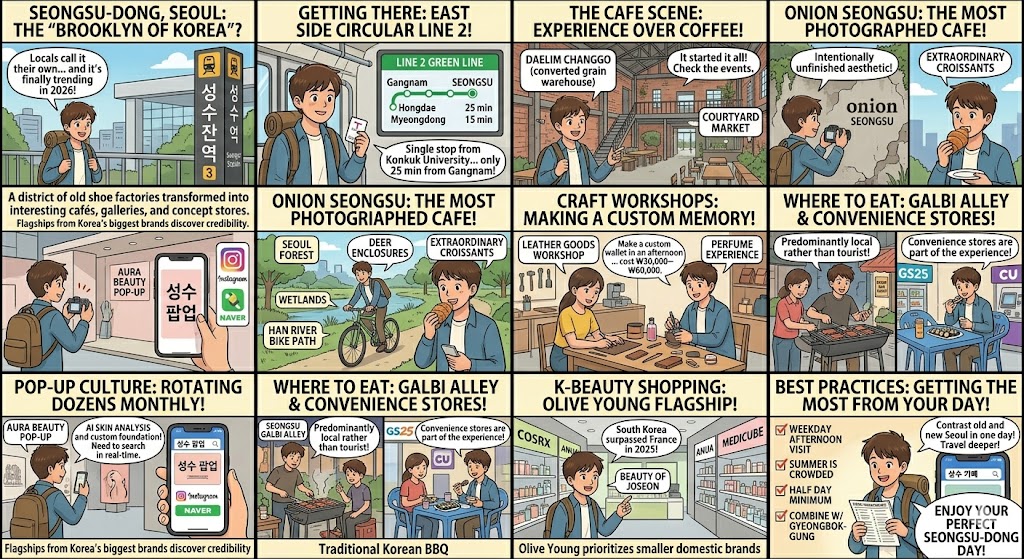
This Seongsu-dong guide covers what the neighborhood is, how to get there, what to eat and drink, what to buy, and how to spend a full day in one of the most compelling urban districts in Asia.
Before you visit, read our Seoul 3-Day Itinerary — Seongsu pairs naturally with a Han River afternoon and a Gyeongbokgung morning for one of Seoul’s most complete single-day itineraries.
Seongsu-dong Seoul Guide: What Is Seongsu and Why Is It Trending Now?
Seongsu-dong’s story begins with shoes. For most of the 20th century, this neighborhood was Seoul’s center of handmade leather goods manufacturing — small workshops producing shoes, bags, and belts for the domestic market. When manufacturing moved overseas in the 1990s and 2000s, the workshops emptied, leaving behind a concentration of low-rent industrial space with high ceilings and original brick interiors.
That combination — affordable, atmospheric, and underused — is exactly what draws creative businesses. Coffee roasters arrived first, then independent designers, then concept stores, then the pop-up flagships of Korea’s biggest brands, who discovered that a Seongsu location signals credibility with exactly the young Seoul consumer they wanted to reach. By 2026, Seongsu’s old shoe and leather factories have been converted into cafés, galleries, and shops, with youth-driven culture — Gen Z and millennials — dominating the streets and shaping the neighborhood’s energy. Unniespicking
What makes Seongsu different from other Seoul neighborhoods that have gentrified is the speed of the change and the quality of what replaced the factories. Hongdae was Seoul’s creative district for the 2000s generation. Itaewon served the international crowd. Seongsu is what Seoul looks like in 2026 — less about a fixed identity and more about a rotating roster of the most interesting things happening in Korean culture right now.
The neighborhood also benefits from its geography. Trendy spaces sit alongside Seoul Forest and the Han River, offering green escapes that make Seongsu feel less saturated than Myeongdong or Gangnam. You can browse a concept store, walk to the forest, cycle along the river, and eat excellent food all within a thirty-minute radius. That combination is genuinely unusual in a city as dense as Seoul. Unniespicking
Seongsu-dong Seoul Guide: How to Get There
Seongsu Station, Line 2, is the main access point — a single stop east of Konkuk University Station on the circular green line. From central Seoul:
| Departure point | Route | Travel time |
|---|---|---|
| Gangnam Station | Line 2 eastbound | 20 min |
| Hongik University (Hongdae) | Line 2 eastbound | 25 min |
| Myeongdong | Line 4 → transfer Line 2 | 30 min |
| Gyeongbokgung | Line 3 → transfer Line 2 | 35 min |
Exit 3 from Seongsu Station puts you directly into the main commercial strip. The neighborhood is best explored on foot — most of what’s worth seeing is within a 15-minute walk of the station.
For transport guidance beyond Seongsu, read our Seoul Subway Guide.
Seongsu-dong Seoul Guide: What to Do
The café scene — the real reason people come
Seongsu-dong has more compelling cafés per square kilometer than anywhere else in Seoul, and they’re compelling in a way that goes beyond coffee. Each one occupies a former industrial space that has been redesigned to the point where the café itself is the experience — the architecture, the lighting, the objects on display, the music — with the coffee being excellent almost as an afterthought.
Daelim Changgo (대림창고) is the café that started the Seongsu phenomenon — a former grain warehouse converted in 2014 into a multi-level event and café space. The original exposed brick and industrial rafters remain intact. Arrive on a weekday to avoid the worst of the weekend crowds. The courtyard fills with market stalls on weekends.
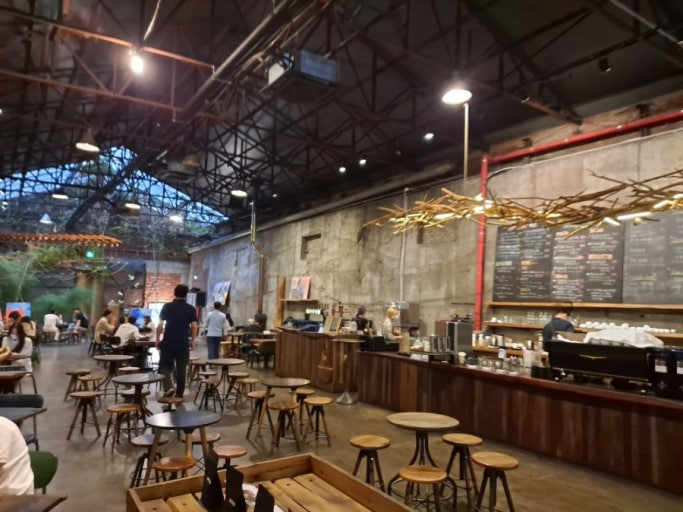
Onion Seongsu (어니언 성수) is the neighborhood’s most photographed café — an abandoned factory building with crumbling concrete walls, overgrown surfaces, and an intentionally unfinished aesthetic that makes every photograph look like it was taken in a film location. The croissants are genuinely extraordinary. Lines form before opening on weekends.
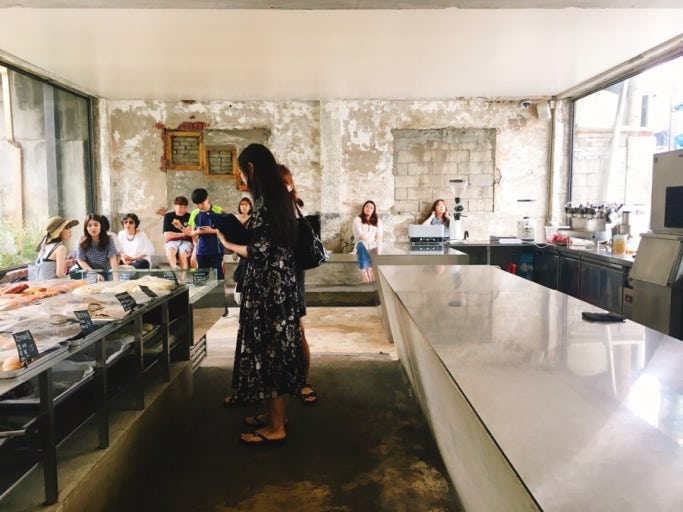
Fritz Coffee (프릳츠) occupies a converted workshop with a roastery on site. This is the Seongsu café for serious coffee — pour-overs, siphon, and a rotating single-origin menu alongside baked goods that sell out by early afternoon.
The pop-up culture — what changes monthly
One of Seongsu’s defining characteristics is the rotating presence of brand pop-up stores that occupy vacant factory spaces for weeks or months at a time. In 2025, Seongsu hosted flagship pop-ups from Aesop, Gentle Monster, Tamburins, Nike, and dozens of Korean brands. Amore Seongsu — an immersive beauty store — offers AI skin analysis to create a custom serum and a robot that colour-matches your perfect foundation shade and formulates a personalised BB cream. National Geographic
The fastest way to find active pop-ups during your visit: search “성수 팝업” (Seongsu popup) on Instagram or Naver on the day you visit. Locals track this in real-time and the information is accurate.
Seoul Forest (서울숲)
A 15-minute walk from Seongsu Station, Seoul Forest is a large urban park along the Han River — lawns, deer enclosures, cycling paths, and a wetlands area that attracts birds year-round. The combination of Seongsu’s urban intensity and Seoul Forest’s green openness is one of the better half-day experiences in the city.
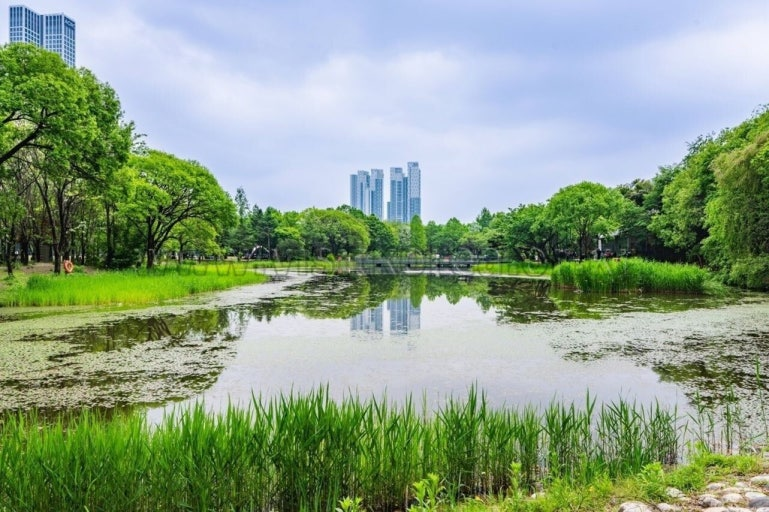
The forest is particularly beautiful in early April when cherry blossoms are in peak bloom, and in late October during autumn foliage. Both periods bring enormous crowds on weekends — arrive before 9 AM or visit on a weekday.
The craft workshop scene
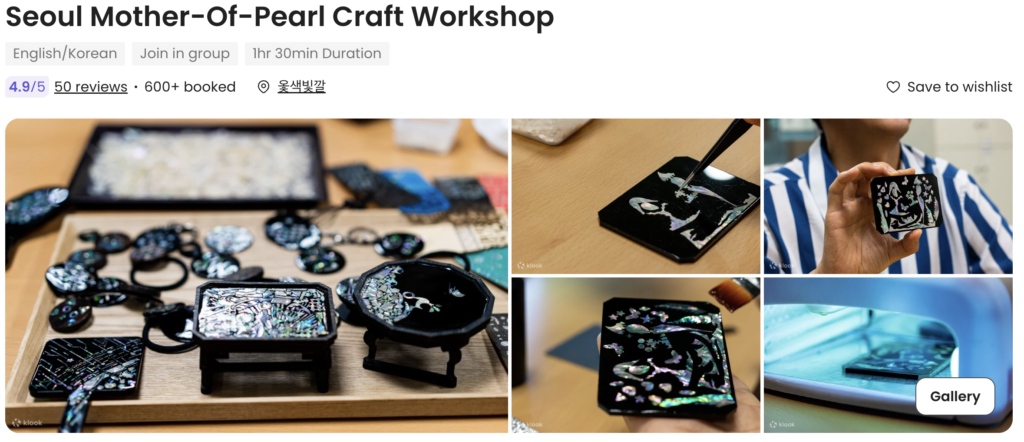
Seongsu-dong’s craft workshop scene is unlike anything else in Seoul — a legacy of its shoe manufacturing past that has evolved into a constellation of hands-on experience studios. Leather goods workshops where you can make a custom wallet or card holder in an afternoon are the most popular. Ceramics studios, candle-making workshops, and craft perfume experiences have followed. Unniespicking
Most workshops run 1.5–2 hours, cost ₩30,000–₩60,000, and require advance booking through Naver or Instagram. English-language availability varies — ask directly before booking.
Seongsu-dong Seoul Guide: Where to Eat
Seongsu’s food scene has matured alongside its café culture — the neighborhood now has compelling options at every price point.
Seongsu Galbi Alley (성수 갈비골목)
One of Seoul’s lesser-known BBQ destinations — a cluster of traditional Korean BBQ restaurants near the eastern edge of the neighborhood that have operated since before Seongsu became trendy. Seongsu Galbi Alley is a must for Korean BBQ lovers — the restaurants here serve charcoal-grilled short ribs in the classic style, with a clientele that’s still predominantly local rather than tourist. Unniespicking
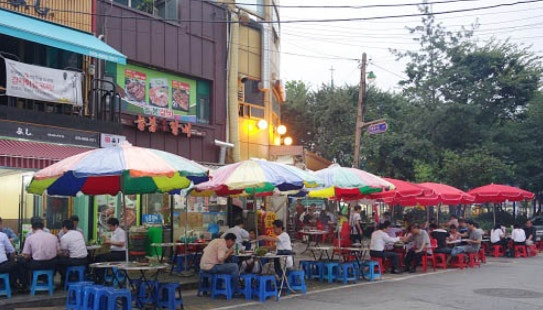
Price per person: ₩25,000–₩40,000 including side dishes and rice.
Contemporary Korean restaurants
The wave of creative food businesses that followed the café boom has produced several restaurants worth seeking out. Look for spots in converted warehouses near the main café strip — these tend to be the most interesting kitchens in the neighborhood. Reservation via Naver is essential for dinner.
Convenience store and street food
The GS25 and CU convenience stores on the main strip near the station have become part of the Seongsu experience — locals and visitors eat outside at the plastic tables with a genuinely good selection of hot food, kimbap, and drinks at prices that make sitting inside a café feel optional.
Seongsu-dong Seoul Guide: K-Beauty Shopping
South Korea surpassed France for the first time to become the leading exporter of cosmetics to the US in 2025 — and Seongsu is where much of that industry’s most experimental retail happens. National Geographic
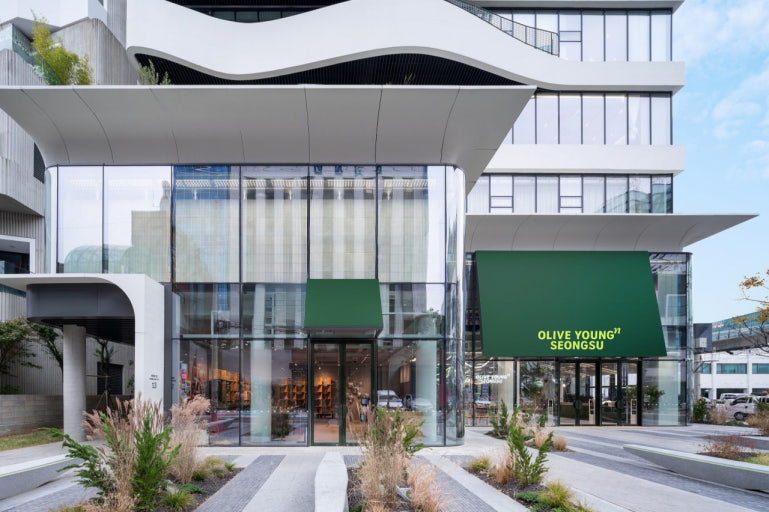
Olive Young Seongsu
Korea’s dominant beauty retailer has a flagship location in Seongsu that functions as both a store and a product discovery experience — the shelves prioritize the smaller domestic brands that Olive Young has elevated to international attention. Look for COSRX, Anua, Beauty of Joseon, and Medicube alongside brands you won’t find outside Korea.
Brand flagships and concept stores
Gentle Monster (sunglasses and art installation), Tamburins (beauty and fragrance), and Ader Error (Korean fashion) have all had significant Seongsu presences — check current status on Instagram before visiting as locations rotate.
Read our Korean Skincare Guide for a complete overview of what to buy and which Korean skincare brands are worth the attention.
Seongsu-dong Seoul Guide: Practical Tips
Best time to visit: Weekday afternoons. Seongsu on a weekend afternoon is genuinely crowded to the point where the café queues exceed 40 minutes for the most popular spots. A Tuesday or Wednesday visit produces the same experience with a fraction of the congestion.
Best season: Spring (April–May) when Seoul Forest blooms, and Autumn (October–November) for foliage. Summer weekends are intensely crowded and hot.
How long to spend: Half a day is the minimum for a meaningful Seongsu visit — walk the main strip, explore two or three cafés, check the active pop-ups, and walk to Seoul Forest. A full day including the craft workshop scene and BBQ dinner is better.
Combine with: Bukchon Hanok Village and Gyeongbokgung in the morning, Seongsu in the afternoon and evening. The contrast between old Seoul in the morning and new Seoul in the afternoon is one of the city’s best single-day experiences.
Getting there without the subway: Kakao T taxis to “성수역” (Seongsu Station) or directly to specific café addresses in Korean work reliably. The ride from Myeongdong costs approximately ₩10,000–₩14,000.
Instagram before you go: More than any other Seoul neighborhood, Seongsu’s best experiences change monthly. Searching “성수 카페” (Seongsu café) or “성수 팝업” (Seongsu popup) on Instagram on the day you visit will surface the current most-discussed spots better than any static guide.
Want to book a Seoul workshop or experience in advance? A Seoul craft experience on Klook confirms your slot without the hassle of Korean-language booking — English instructions included, and most sessions run 90 minutes to two hours with everything provided.
Ready to plan your full Seoul trip? Read our Seoul 3-Day Itinerary for the complete picture, our Korean BBQ Guide for the Galbi Alley experience, and our Gyeongju Travel Guide if you want to add the most historically extraordinary day trip in Korea to your itinerary.

Korea Insider has lived in South Korea for 50 years and worked at international companies for over two decades — explaining Korean culture, food, and society to colleagues from the US, Europe, and Australia.
Internationally married with a Japanese spouse, Korea Insider brings both an insider’s depth and an outsider’s perspective to every topic on My Korea Tip.