
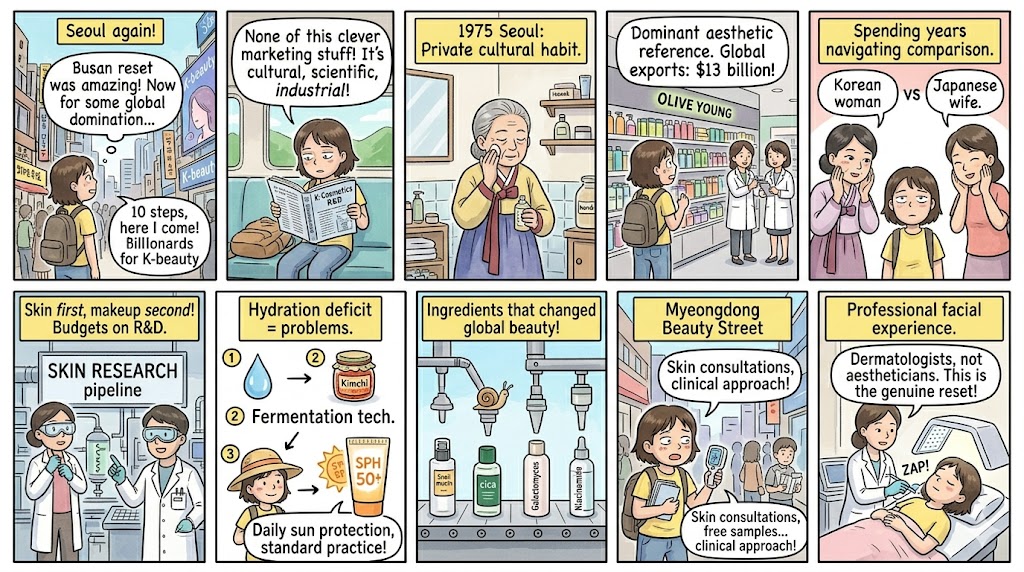
Korean skincare is now a $13 billion global export industry, the dominant aesthetic reference for a generation of beauty consumers internationally, and the reason that “10-step routine” entered the vocabulary of people who had never previously thought about the difference between a toner and an essence. None of this happened because of clever marketing. It happened because the products genuinely work — and understanding why requires looking at the cultural, scientific, and industrial factors that Korean beauty built its foundation on over several decades before the rest of the world noticed.
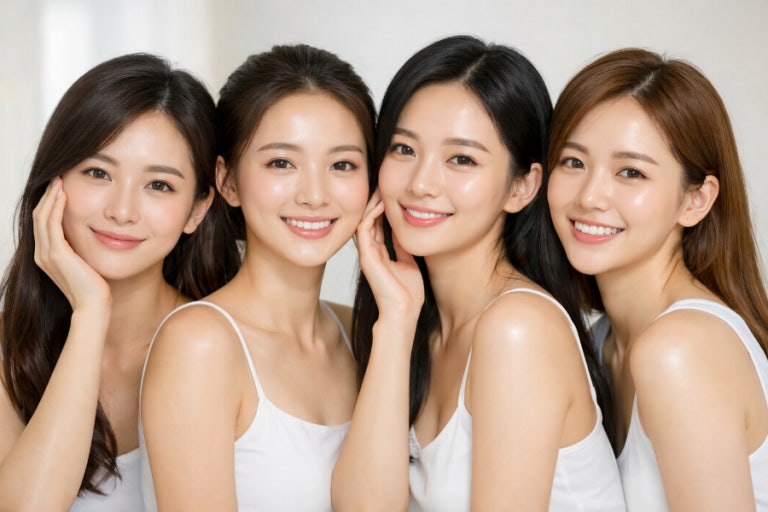
I was born in Seoul in 1975 and have watched Korean skincare go from a deeply private cultural habit — something Korean women did at home with products nobody exported — to the global reference point it is today. My wife is Japanese, which means I’ve spent years navigating the comparison between two of the world’s most developed skincare cultures and understanding what makes them different. What I can tell you is that Korean skincare’s global dominance is not a coincidence, not a trend, and not going anywhere.
Here is why it’s the best — explained properly rather than marketed at you.
The Numbers First
Before the cultural explanation, some scale:
- Korea is the world’s fourth-largest cosmetics exporter, behind only the US, France, and Germany — three countries with economies significantly larger than Korea’s
- K-beauty exports grew by over 20% annually between 2015 and 2023
- The US K-beauty market alone was valued at approximately $2.4 billion in 2024 and is projected to double by 2030
- Korean skincare patents filed annually exceed those of any other country in the beauty sector
- Cosmetic dermatology research published from Korean institutions now represents over 15% of global output in the field
The industry didn’t grow this fast because of Instagram. It grew because consumers tried the products, saw results, and told other people.
The Cultural Foundation: Skin First, Everything Else Second
To understand why Korean skincare is what it is, you have to understand the cultural priority that built it.
Korean beauty culture historically placed skincare — the health and appearance of skin itself — above all other cosmetic considerations. Foundation, lipstick, eye makeup: these are additions to skin that is already cared for. In Western beauty culture, the sequence is often reversed — cosmetics compensate for skin that hasn’t been properly maintained. The Korean approach assumes that the most important work happens before the makeup, and the most important product is the one that goes on first.
This distinction sounds philosophical, but it has concrete industrial consequences. Korean cosmetic companies invested research budgets in skincare — moisturisers, serums, essences, sunscreens — at ratios that Western companies spent on colour cosmetics. The R&D pipeline that produced snail mucin serums, centella asiatica formulations, and niacinamide concentrations that are now standard globally was funded by a culture that treated skincare as the primary category, not a secondary one.
Growing up in Korea, skincare was not a luxury or a wellness trend. It was maintenance — as ordinary as washing your face and as culturally embedded as the food you ate. The Korean beauty standards that prioritise clear, even-toned, well-hydrated skin above other aesthetic qualities drove demand for products that actually delivered those results. That demand shaped the industry.
The Science: What Korean Skincare Does Differently
Korean skincare is built on three scientific principles that distinguish it from most Western equivalents.
Hydration as the foundation of everything
Korean skincare theory treats dehydration as the root cause of most skin problems — fine lines, uneven tone, sensitivity, excess oil production. Rather than treating symptoms individually, the Korean approach addresses the underlying hydration deficit first and treats most other concerns as downstream of that.
This is why the Korean routine involves multiple hydrating layers — toner, essence, serum, moisturiser — applied in sequence of lightest to heaviest texture. Each layer prepares the skin for the next, and the cumulative effect is a level of skin hydration that a single moisturiser, however expensive, cannot replicate. My Korean skincare ingredients guide covers the specific actives that drive this process at a molecular level.
Fermentation technology
Korea’s application of fermentation technology to skincare ingredients is one of the most significant innovations in modern cosmetics. Fermented ingredients — including the fermented yeast extract (Galactomyces ferment filtrate) that appears in countless Korean products — have smaller molecular structures than their unfermented equivalents, allowing deeper skin penetration and more efficient delivery of nutrients.
This technology was developed from Korea’s existing fermentation food culture — kimchi, doenjang, soy sauce — applied to cosmetic formulation. The result is a category of ingredients that delivers measurably better results than conventional alternatives at equivalent concentrations.
Sun protection as daily practice
Korean sunscreen culture is the most developed in the world, and it is the single factor that most directly explains why Koreans age the way they do. Daily SPF 50+ application regardless of weather, season, or time spent outdoors is standard practice in Korea — not a beach holiday precaution.
The products that support this habit are designed differently from Western sunscreens: lighter in texture, cosmetically invisible, comfortable enough to wear under makeup or alone, and available at every drugstore at accessible price points. The result of decades of consistent daily sun protection is visible in the skin quality of older Koreans in ways that are not attributable to genetics.
The Innovation Pipeline: Why Korea Moves Faster
Korean cosmetic companies develop and launch new products significantly faster than their Western counterparts. The average product development cycle in Korea is approximately 6 months; the equivalent in Western markets is 18–24 months. This speed produces two consequences: Korean beauty trends reach market before their global equivalents, and Korean consumers have access to innovation years before it arrives elsewhere.
The speed comes from the structure of the Korean cosmetic industry — dominated by a large number of mid-sized companies competing intensely in a sophisticated domestic market that demands novelty and rewards performance over brand loyalty. Korean consumers switch products readily when they find something better and review products publicly with a specificity that creates immediate market feedback. Companies that don’t innovate lose market share fast.
The ingredients that are now mainstream globally — hyaluronic acid concentrates, niacinamide, centella asiatica, snail mucin, propolis — were standard in Korean formulations years before they appeared in Western products. Korean brands were using retinol alternatives, peptides, and ceramide complexes at clinically relevant concentrations while Western luxury brands were still charging premium prices for essentially decorative formulations.
The Ingredients That Changed Global Beauty
Several specific Korean skincare ingredients deserve specific mention because they have restructured how the entire global beauty industry formulates products.
Snail mucin (snail secretion filtrate) — The mucus secreted by snails contains a combination of glycoproteins, hyaluronic acid, glycolic acid, and zinc that supports skin repair, hydration, and collagen production simultaneously. Korean brands have used it since the 1990s; Western brands discovered it approximately a decade later. COSRX’s Advanced Snail 96 Mucin Power Essence is the product that introduced millions of international consumers to the ingredient.
Centella asiatica (cica) — A plant extract with documented wound-healing, anti-inflammatory, and skin-barrier-supporting properties, used in Korean formulations for sensitive and irritated skin. Now appears in product lines from global luxury brands that had never heard of it a decade ago.
Galactomyces ferment filtrate — The fermented yeast derivative that produces the brightening and pore-minimising effects associated with products like SK-II’s Facial Treatment Essence and the Korean products that inspired it. The fermentation technology that makes this ingredient effective was developed in Korea.
Niacinamide at effective concentrations — Korean brands were using niacinamide at 5–10% concentrations for brightening and barrier support before it became the active ingredient that restructured the Western skincare market. The clinical research demonstrating its effectiveness was largely Korean.
The Routine: Why Layering Works
The multi-step Korean skincare routine that became famous internationally works because it is built on sound dermatological principles, not cultural ritual.
The K-beauty skincare routine typically involves: oil cleanser, water cleanser, exfoliant (2–3 times weekly), toner, essence, serum/ampoule, sheet mask (as needed), eye cream, moisturiser, and SPF (morning) or sleeping mask (night).
The reason this produces better results than a simplified routine is layering: each product is formulated to work in sequence with what precedes and follows it. The toner preps skin for essence absorption. The essence prepares for serum penetration. The moisturiser seals in the layers below. Applied correctly, the routine delivers a concentration of active ingredients to skin that no single product can match.
The practical question most Western consumers have — do you really need ten steps? — has a practical answer: no, you don’t need all ten. But the principle of layering complementary products in sequence works better than the Western convention of single products applied to skin that hasn’t been prepared to receive them.
Where to Experience Korean Skincare in Seoul
The best place to understand Korean skincare is to see how Koreans actually buy and use it.
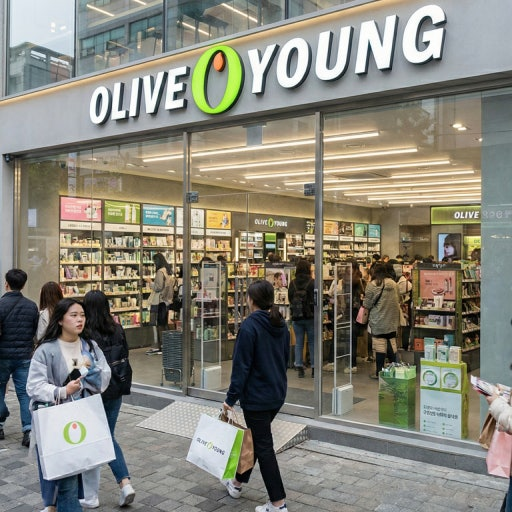
Olive Young — Korea’s dominant health and beauty retailer, with flagship stores in Myeongdong and branches across the city. The density of Korean skincare brands available in a single store — at Korean retail prices — is the fastest possible education in what the market looks like. My Olive Young Seoul guide covers what to buy and how to navigate the store.
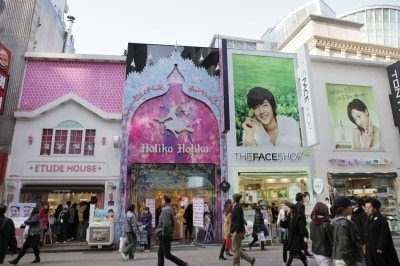
Myeongdong beauty street — The central Seoul shopping district has the highest concentration of Korean beauty brand flagship stores in the world. Most offer skin consultations, free samples, and in-store testing that allows comparison of formulations across brands.
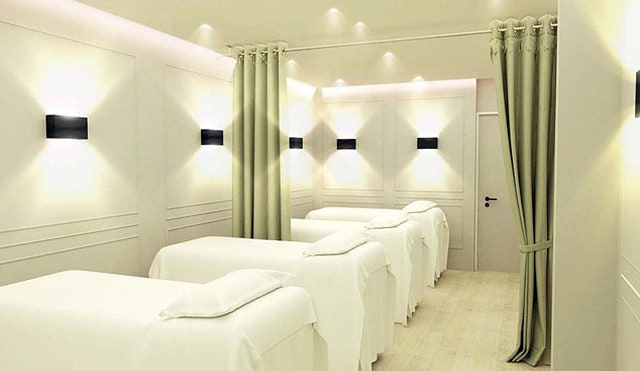
Dermatology clinics — Korea has a dermatological clinic culture that treats skincare as medical rather than cosmetic. The clinics in Gangnam’s medical district offer treatments — LED therapy, chemical peels, laser procedures — at prices significantly below Western equivalents, performed by dermatologists rather than aestheticians.
FAQ
Why is Korean skincare better than Western skincare? The combination of a cultural priority on skin health over cosmetic coverage, faster innovation cycles, fermentation technology applied to ingredients, and a sophisticated domestic consumer market that demands genuine results produces products that outperform Western equivalents at most price points.
Is Korean skincare suitable for all skin types? Yes — the range of formulations covers oily, dry, combination, sensitive, and acne-prone skin with specific product lines for each. Korean brands have invested more in formulations for Asian skin types, but the active ingredients and delivery systems work effectively across all ethnicities.
Is Korean skincare expensive? At Korean retail prices, most Korean skincare products are significantly more affordable than Western luxury equivalents with comparable active ingredients. International pricing adds margin, but Korean skincare remains competitive on value relative to its Western counterparts.
What is the most important Korean skincare product? Sunscreen, by a significant margin. Daily SPF 50+ application is the single habit most responsible for the skin quality associated with Korean beauty culture. Korean sunscreen formulations are the best available globally in terms of cosmetic elegance and ease of daily use.
Where can I buy authentic Korean skincare? In Korea: Olive Young, brand flagship stores in Myeongdong, and any pharmacy (약국). Internationally: brand websites, Sephora (for brands with international distribution), and specialist K-beauty retailers. Be cautious of marketplace sellers for popular products — counterfeiting is common for high-demand items.
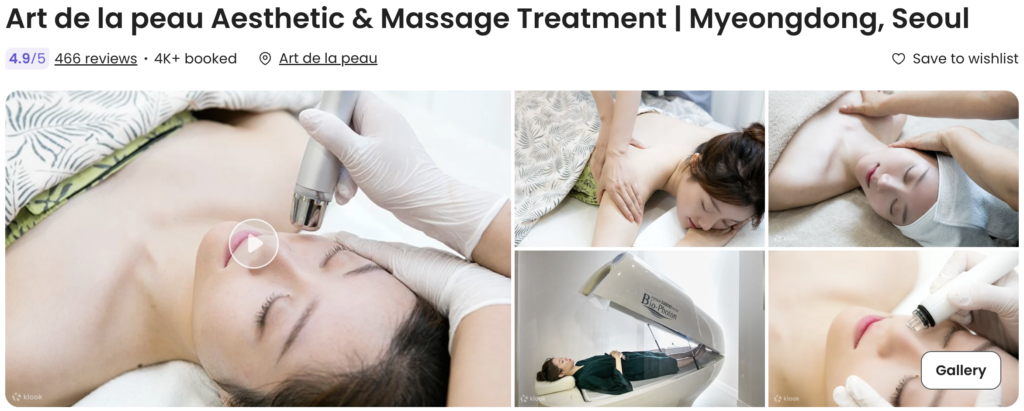
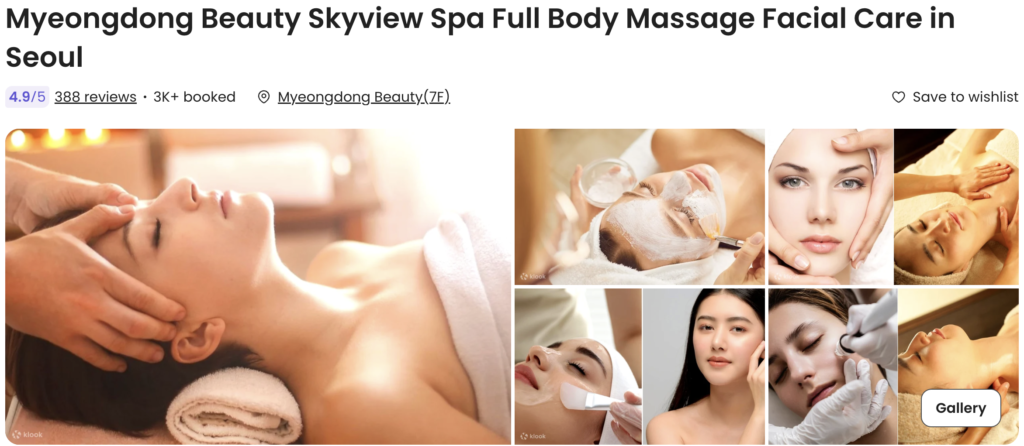
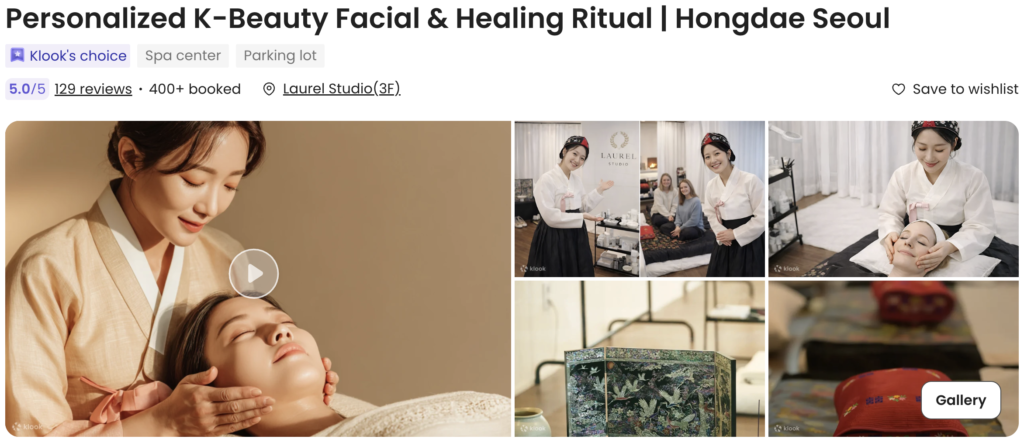
Experience Korean Skincare in Seoul

Korea Insider has lived in South Korea for 50 years and worked at international companies for over two decades — explaining Korean culture, food, and society to colleagues from the US, Europe, and Australia.
Internationally married with a Japanese spouse, Korea Insider brings both an insider’s depth and an outsider’s perspective to every topic on My Korea Tip.