
Seoul vs Tokyo. It’s the most debated travel comparison in Asia — and for good reason.
Both cities are safe, clean, endlessly fascinating, and completely unlike anywhere else in the world. Both have extraordinary food, iconic pop culture, and the kind of energy that makes you feel like you could spend months exploring and still barely scratch the surface. Choosing between them is genuinely difficult.
This complete Seoul vs Tokyo guide breaks down every major category honestly — cost, food, nightlife, safety, culture, transport, and overall vibe — so you can make the right call for your specific trip. And if the answer turns out to be “both,” this guide will help you figure out the order.
Before diving in, read our Korea Travel Budget Guide for the full Seoul cost picture, and our Korea Travel Tips Guide for the practical groundwork every first-time visitor needs.
Seoul vs Tokyo: The One-Line Verdict
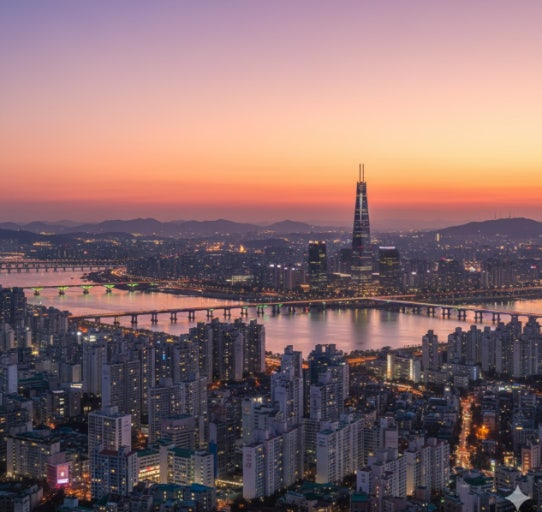
Go to Seoul first if: you want more for your money, a more dynamic nightlife scene, and a city that feels genuinely new and electric.
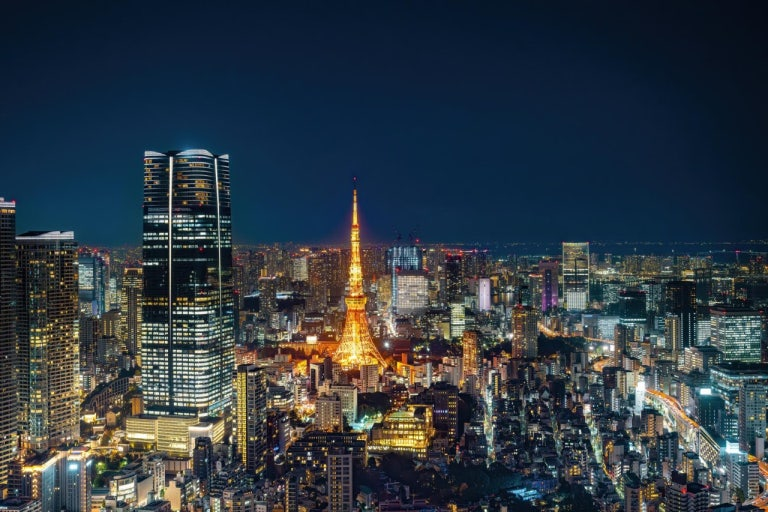
Go to Tokyo first if: you want the world’s most refined city experience, extraordinary depth of culture, and a place that rewards slow, deliberate exploration.
Both answers are right. The real question is which version of extraordinary fits your travel style right now.
Seoul vs Tokyo: Cost
This is where Seoul wins decisively — and it’s not close.
Tokyo is one of the most expensive cities in Asia. A mid-range hotel in central Tokyo runs ¥15,000–¥30,000 ($100–$200) per night. A sit-down lunch at a decent Tokyo restaurant costs ¥1,500–¥3,000 ($10–$20). Transportation on Tokyo’s excellent subway system costs ¥200–¥300 ($1.50–$2.00) per ride with no transfer discount system equivalent to Korea’s.
Seoul is significantly more affordable across every category. A comparable mid-range hotel in Seoul’s tourist neighborhoods runs ₩80,000–₩150,000 ($60–$110) per night. A full Korean meal at a local restaurant — rice, soup, side dishes — costs ₩8,000–₩12,000 ($6–$9). Seoul’s subway starts at ₩1,400 ($1.05) per ride with generous transfer discounts built in.
A realistic daily budget for Seoul runs approximately $50–$150 depending on travel style. An equivalent Tokyo budget runs $80–$220. Over a week-long trip, the Seoul vs Tokyo cost difference can easily reach $300–$500 per person — enough to fund several extra days of travel or a significant shopping budget.
For the complete Seoul cost breakdown, read our Korea Travel Budget Guide.
Seoul vs Tokyo verdict — Cost: Seoul wins clearly.
Seoul vs Tokyo: Food
This is the hardest Seoul vs Tokyo category to call — because both cities have legitimate claims to being among the best food destinations on Earth.
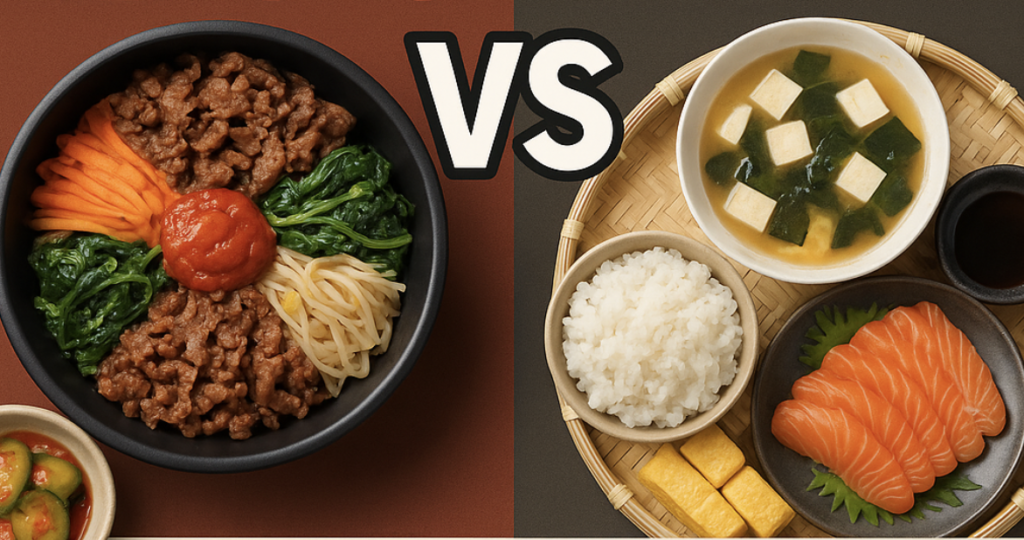
Tokyo food: Tokyo has more Michelin stars than any other city in the world — more than Paris, New York, and London combined. The precision, variety, and depth of Tokyo’s food scene is unmatched. Ramen that takes three days to prepare. Sushi served by chefs who have dedicated their lives to a single fish. Izakaya culture that turns a simple meal into a three-hour social experience. Tokyo food culture rewards obsession.
Seoul food: Seoul food is bolder, spicier, more social, and frankly more fun at the everyday level. Korean BBQ — grilling meat at your table, wrapping it in lettuce, drinking soju — is one of the most enjoyable dining experiences in the world and you can have it for $15–$30 per person. Street food is vibrant, cheap, and available on every corner. Korean fried chicken with beer at 1 AM hits differently than anything Tokyo offers at that hour.
The Seoul vs Tokyo food debate often comes down to what kind of eater you are. Tokyo rewards patience, precision, and a willingness to queue for 90 minutes for a bowl of ramen. Seoul rewards social dining, adventurous eating, and a love of bold flavors consumed in loud, lively settings.
Read our Korean Food Guide and Korean BBQ Guide for the full Seoul food picture.
Seoul vs Tokyo food verdict — Draw. Different kinds of extraordinary.
Seoul vs Tokyo: Nightlife
Seoul wins this category, and it isn’t particularly close.
Seoul’s nightlife — centered on Hongdae, Itaewon, and Gangnam — operates until 5–6 AM on weekends, is genuinely affordable, and has an energy and variety that Tokyo’s more restrained nightlife scene simply doesn’t match. Korean drinking culture is enthusiastic, social, and built around group connection in a way that makes going out in Seoul feel like a genuine cultural experience rather than just bar-hopping. Read our Seoul Nightlife Guide for the complete breakdown.
Tokyo has excellent bars, outstanding cocktail culture in places like Golden Gai and Shinjuku, and jazz venues that are genuinely world-class. But Tokyo nightlife tends to be quieter, more expensive, and closes earlier than Seoul’s. The cultural attitude toward public intoxication in Japan is considerably more conservative than in Korea.
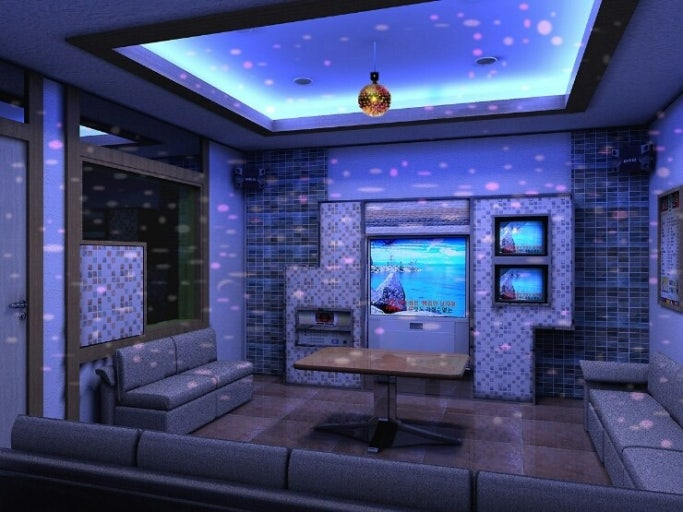
Norebang — Korea’s private room karaoke — is also one of the Seoul vs Tokyo nightlife differentiators that doesn’t get enough credit. Spending three hours in a private karaoke room with friends is one of the most fun things you can do in either city, and Seoul does it better, cheaper, and more prolifically than Tokyo.
Seoul vs Tokyo nightlife verdict — Seoul wins clearly.
Seoul vs Tokyo: Safety
Both cities are extraordinarily safe by any global standard — this Seoul vs Tokyo category is essentially a tie, with minor nuances worth noting.
Tokyo’s crime rate is among the lowest of any major city in the world. Lost property is regularly turned in and returned. Walking alone at any hour in virtually any neighborhood carries essentially zero risk for tourists. Tokyo’s social order is so deeply embedded that it operates almost invisibly.
Seoul is equally safe. Violent crime against tourists is rare, pickpocketing is essentially nonexistent by global standards, and the city’s CCTV network and visible police presence in entertainment districts create a genuinely secure environment. Read our Is Korea Safe for Tourists Guide and Seoul Safe for Solo Female Travelers Guide for the complete picture.
The one Seoul vs Tokyo safety distinction: Tokyo’s nightlife areas tend to have slightly more orderly behavior even at peak hours, because Japanese social norms around public intoxication are stricter. Seoul’s Hongdae and Itaewon at 2 AM are lively in ways that Tokyo’s entertainment districts typically aren’t — which is either exciting or concerning depending on your preference.
Seoul vs Tokyo safety verdict — Essentially tied. Both world-class.
Seoul vs Tokyo: Culture and History
This is where Tokyo has a genuine edge in the Seoul vs Tokyo comparison — and where the depth of the two destinations differs most significantly.
Tokyo is the center of Japanese culture — a civilization that has been developing distinctly for over a thousand years. The precision of Japanese aesthetics, the depth of traditional arts like tea ceremony and ikebana, the extraordinary museum collections, and the way ancient temples coexist with hypermodern architecture create a cultural density that rewards years of exploration.
Seoul’s cultural depth is real but different. Korea’s history — including the trauma of Japanese colonial occupation and the Korean War — means that Seoul has fewer ancient buildings than Tokyo. Many of Seoul’s historical sites were destroyed and rebuilt, which affects their authenticity as historical experiences. What Seoul offers instead is a culture in dramatic, exciting transition — K-pop, K-drama, K-beauty, and a national creative energy that feels genuinely new and globally influential right now.
The Seoul vs Tokyo culture question often comes down to whether you prefer the refined and ancient or the dynamic and contemporary. Tokyo looks backward with extraordinary reverence. Seoul looks forward with extraordinary energy.
Read our Korean Work Culture Guide and Korean Blood Type Personality Guide for the cultural quirks that make Seoul endlessly fascinating.
Seoul vs Tokyo culture verdict — Tokyo for historical depth. Seoul for contemporary energy.
Seoul vs Tokyo: Transport
Both cities have world-class public transport systems — but they have genuinely different characters.
Tokyo’s train system is the most complex urban rail network in the world. Dozens of overlapping lines operated by multiple companies, each with their own fare structure, create a system that takes time to understand but rewards mastery. IC card (Suica or Pasmo) is the equivalent of Korea’s T-money and makes navigation significantly easier.
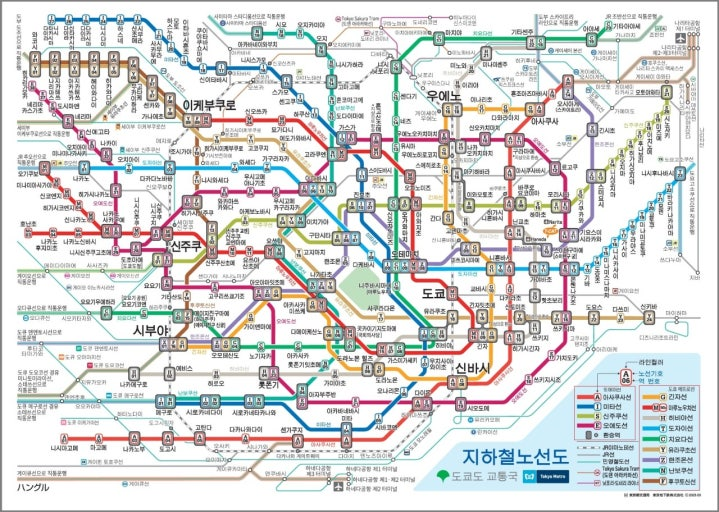
Seoul’s subway is simpler and arguably more foreigner-friendly. The network is extensive but easier to understand, English signage is excellent throughout, and the T-money card system with its transfer discounts makes it very affordable. Read our Seoul Subway Guide and T-Money Card Guide for everything you need to know.
Both cities have excellent airport connections. Seoul’s Incheon Airport AREX train runs to central Seoul in 43–60 minutes for ₩4,150–₩11,000. Tokyo’s Narita Airport is further from the city center (60–90 minutes by express train) and the Narita Express costs ¥3,000–¥4,000 ($20–$27) — significantly more expensive than Seoul’s equivalent.
Seoul vs Tokyo transport verdict — Seoul for ease and affordability. Tokyo for network coverage.
Seoul vs Tokyo: K-Pop and Pop Culture
This category doesn’t exist for Tokyo in the same way — and that’s exactly the point.
If K-pop, K-drama, or Korean beauty is part of your reason for visiting — and for millions of international visitors it genuinely is — Seoul is the only destination in this Seoul vs Tokyo comparison. BTS walked these streets. BLACKPINK filmed here. Every product you’ve seen in a K-drama is available in the stores around you.
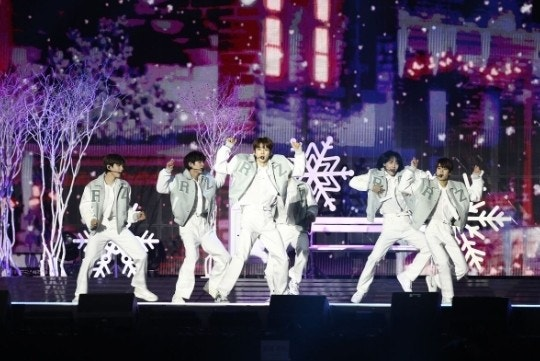
HYBE Insight — the official BTS museum — attracts fans from every continent. SM Entertainment, JYP, and YG are all based in Seoul. K-pop music shows broadcast live weekly from Seoul and are open to international audiences with advance ticketing. The density of K-pop culture in Seoul is simply unmatched anywhere on Earth.
Tokyo has its own extraordinary pop culture — anime, manga, gaming culture centered on Akihabara, and fashion subcultures in Harajuku — but it’s a different world entirely from K-pop Seoul. The Seoul vs Tokyo pop culture question is really about which universe you want to live in for a week.
Read our Best Kpop Groups Guide and BTS Cultural Impact Guide for the full K-pop Seoul context.
Seoul vs Tokyo pop culture verdict — Seoul by a mile for K-pop. Tokyo for anime and gaming culture.
Seoul vs Tokyo: Which Should You Visit First?
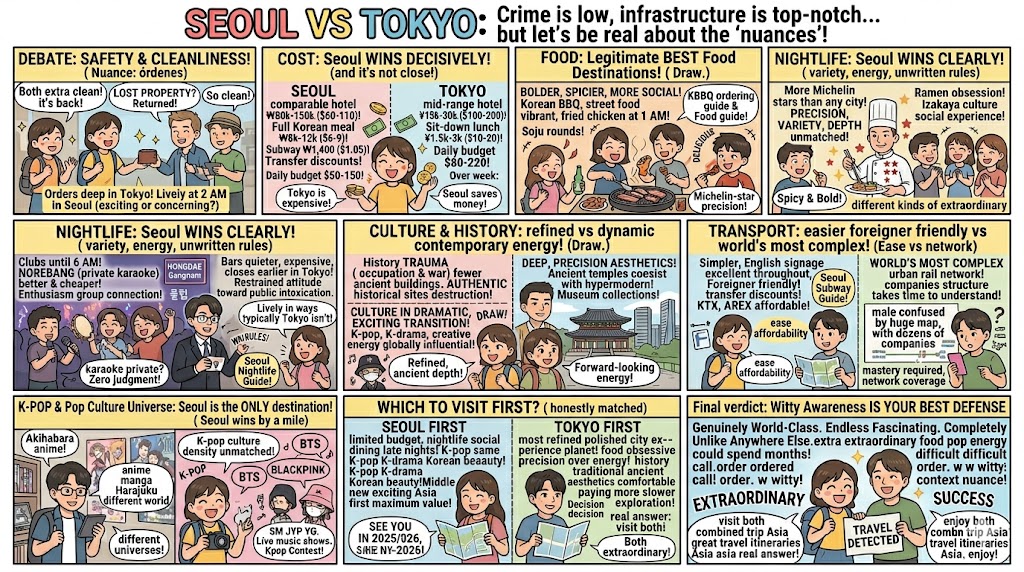
After running through every category, here’s the honest Seoul vs Tokyo recommendation:
Visit Seoul first if you:
- Are traveling on a limited budget
- Love nightlife, social dining, and late nights
- Are interested in K-pop, K-drama, or Korean beauty culture
- Want to feel like you’re in the middle of something new and exciting
- Are visiting Asia for the first time and want maximum value
Visit Tokyo first if you:
- Want the most refined, polished city experience on the planet
- Are a food obsessive who values precision over energy
- Love history, traditional culture, and ancient aesthetics
- Are comfortable paying more for a more considered experience
- Plan to visit both and want to save the more affordable city for later in the trip
The real answer: visit both. Seoul to Tokyo by plane takes about 2.5 hours and flights are frequent and often affordable. A combined Korea-Japan trip — 5–7 days in Seoul followed by 5–7 days in Tokyo — is one of the great travel itineraries available anywhere in Asia.
Start with our Seoul 3 Day Itinerary and Things to Do in Seoul Guide to plan the Korea half of your trip.

Korea Insider has lived in South Korea for 50 years and worked at international companies for over two decades — explaining Korean culture, food, and society to colleagues from the US, Europe, and Australia.
Internationally married with a Japanese spouse, Korea Insider brings both an insider’s depth and an outsider’s perspective to every topic on My Korea Tip.