
Every traveler who visits Korea for the first time experiences at least a few moments of genuine bewilderment.
Not the bad kind — Korea is safe, friendly, and extraordinarily foreigner-welcoming. But it operates by rules, customs, and social norms that are genuinely different from anywhere in the Western world, and the surprises come fast. Some will make you laugh. Some will make you rethink assumptions you didn’t know you had. A few might briefly make you wonder if you’ve landed on a slightly different planet.
This guide covers 20 of the most common Korea culture shock moments — what they are, why they happen, and how to navigate them like someone who did their homework before arriving.
Before you land, read our Korea Travel Tips Guide and Is Korea Safe for Tourists Guide for the essential groundwork every first-timer needs.
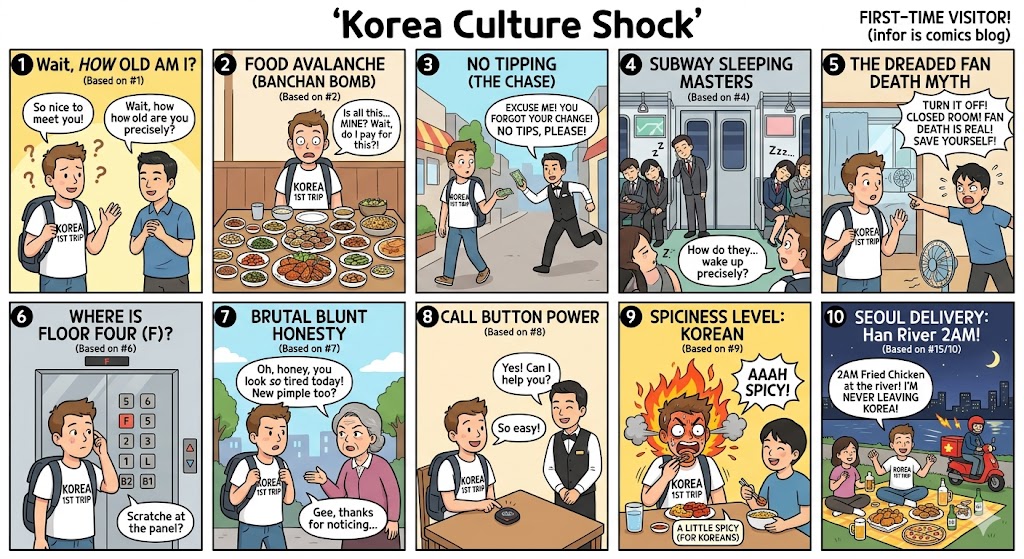
Korea Culture Shock #1 — Everyone Asks Your Age Within Minutes of Meeting You
You’ve barely exchanged names when the question arrives: “How old are you?”
In most Western countries, this question from a new acquaintance would be considered intrusive and slightly rude. In Korea, it’s one of the most essential pieces of social information two people can share. Korean has multiple speech levels — formal, polite, casual, intimate — and which one you use depends almost entirely on the relative ages of the people speaking. Without knowing your age, a Korean literally doesn’t know which grammar to use when talking to you.
This isn’t nosiness. It’s social navigation. Once you understand this, the question stops feeling strange and starts feeling like an invitation — they want to place you in their world correctly. Read our full Korean Age Culture Guide for the complete explanation of why age shapes every social interaction in Korea.
Korea Culture Shock #2 — The Food Arrives All at Once. All of It.
In Western restaurants, courses arrive sequentially. In Korean restaurants, everything — main dish, soup, rice, and 6–12 small side dishes called banchan — lands on the table simultaneously in what feels like an orchestrated avalanche of food. First-timers often assume the banchan are being charged individually. They’re not. They’re free, they’re refillable, and they’re expected.
The protocol: don’t wait for everyone’s food to arrive before eating the banchan. Start immediately. Eat communally from the shared dishes. When the banchan bowl empties, signal the staff and it gets refilled — again, at no charge. This is just how Korean meals work, and once you adjust, you’ll find it genuinely more enjoyable than the Western sequential course model.
Korea Culture Shock #3 — Nobody Tips. Not Even a Little.
Tipping is not practiced in Korea — in restaurants, taxis, hotels, hair salons, or any other service context. If you leave money on the table after a Korean restaurant meal, the staff will often chase you down the street to return it, assuming you forgot your change.
This Korea culture shock catches Americans especially hard, since tipping culture in the US is deeply ingrained. In Korea, service staff are paid fair wages that don’t depend on tips. Leaving money on the table doesn’t signal appreciation — it signals confusion. Just pay the bill and say thank you.
Korea Culture Shock #4 — People Sleep on the Subway. Deeply.
Commuters on Seoul’s subway system sleep with a commitment that borders on art form. Business suits, full faces of makeup, briefcases balanced on laps — none of it prevents the immediate, complete unconsciousness that Korean commuters achieve the moment they sit down. More remarkably, they wake up at exactly the right stop, every time.
This is a byproduct of Korea’s intense work culture — people are genuinely tired — and the absolute safety of Seoul’s public transport. The idea of falling asleep on a subway in many other cities and waking up minus your wallet is simply not a relevant concern in Seoul. Read our Korean Work Culture Guide to understand exactly why Koreans are this tired.
Korea Culture Shock #5 — Fan Death Is a Real Concern for Many Koreans
Fan death — the belief that sleeping in a closed room with an electric fan running can cause death — is one of the most internationally famous Korea culture shock facts. And it’s real in the sense that many Koreans genuinely believe it, or at least grew up with parents who did.
The explanations vary: the fan creates a vortex that steals oxygen, it causes hypothermia, it interferes with breathing. Scientists consistently confirm that none of these mechanisms exist. Yet Korean electric fans routinely come with built-in timers — designed to shut off before you fall asleep with them running. Korean news has historically reported deaths as potentially fan-related. This particular Korea culture shock has been running for generations and shows no signs of stopping. Read our Korean Superstitions Guide for more beliefs that will genuinely surprise you.
Korea Culture Shock #6 — The Number 4 Doesn’t Exist in Some Buildings
Press the elevator button for the 4th floor in many Korean buildings and you’ll find it labeled “F” — for “fourth” — or simply missing from the panel entirely. The building goes 1, 2, 3, F, 5.
The reason: the Korean word for four (사, sa) is identical in pronunciation to the Korean word for death (死, also sa). Four is Korea’s version of the Western number 13 — deeply, persistently inauspicious. Hospitals are particularly strict about avoiding 4 in room numbers, ward numbers, and floor designations. Gift sets rarely come in sets of four. This Korea culture shock runs deep enough to affect literal architecture.
Korea Culture Shock #7 — Strangers Comment on Your Appearance. Openly.
“You’ve gained weight.” “Your skin looks pale today.” “You look tired.” In Korea, these are observations, not insults. Korean social culture treats appearance as normal conversational territory in a way that feels startlingly blunt to visitors from cultures where commenting on someone’s body is considered deeply inappropriate.
This Korea culture shock is not malicious — it comes from a culture where appearance is discussed openly, skincare is a serious daily practice, and the social taboo around commenting on physical appearance simply doesn’t exist in the same form. It’s uncomfortable for most Western visitors, but understanding the cultural context makes it significantly less so. Read our Korean Beauty Standards Guide for the full cultural backdrop.
Korea Culture Shock #8 — Restaurants Often Have Buttons on the Table to Call the Staff
One of the most pleasant Korea culture shocks: at many Korean restaurants, there’s no awkward flagging down of staff, no catching someone’s eye, no waiting. There’s simply a button on the table. Press it, and staff appear. Press it again when you want the bill.
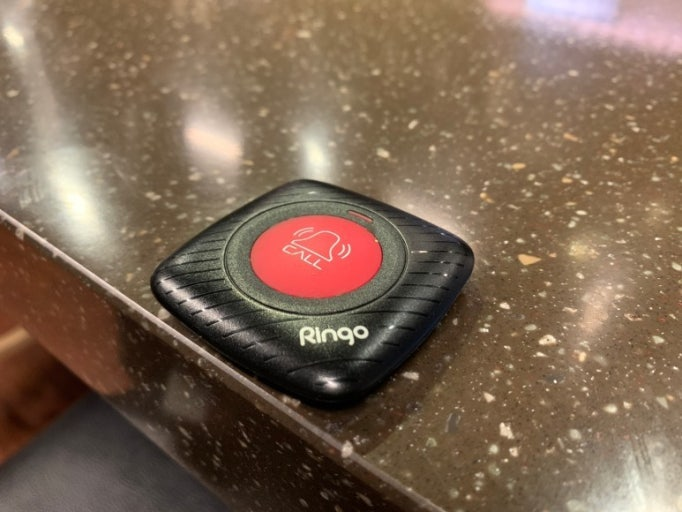
This system is so efficient and stress-free that returning visitors to Korea frequently cite it as one of the things they miss most about Korean dining. The contrast with the attention-seeking required in Western restaurants is jarring in the best possible way.
Korea Culture Shock #9 — The Spice Level Is Not a Joke
Korean food is genuinely, seriously spicy — and the spice tolerance gap between Korean locals and most international visitors is significant. What a Korean person describes as “a little spicy” may send an unprepared Western visitor reaching desperately for water.
The heat comes primarily from gochugaru (Korean red pepper flakes) and gochujang (fermented red pepper paste) — both of which deliver a deep, sustained heat rather than an immediate sharp spike. Kimchi jjigae, tteokbokki, and budae jjigae are particularly potent for first-timers. The phrase “안 맵게 해주세요” (an maepge haejuseyo — “please make it not spicy”) is one of the most useful Korean phrases any visitor can learn. Read our Korean Phrases for Travelers Guide for this and other essential survival expressions.
Korea Culture Shock #10 — You Can Drink Alcohol in Public. Anywhere.
Drinking on the street, in parks, by the Han River, outside a convenience store — all completely legal and widely practiced in Korea. On warm evenings, Seoul’s Han River parks fill with groups of Koreans sitting on picnic mats, eating delivery food, and drinking soju and beer purchased from nearby convenience stores.
This is one of the most immediately enjoyable Korea culture shocks for visitors from countries with strict public drinking laws. The experience of buying a cold beer from a GS25 and sitting by the Han River watching the city at night is genuinely one of Seoul’s great low-cost pleasures. Read our Korean Convenience Store Guide for what to buy and our Korean Soju Guide for what to drink.
Korea Culture Shock #11 — Skincare Is Serious Business for Korean Men Too
Walk into any Korean pharmacy or beauty store and you’ll find extensive men’s skincare sections — BB creams, tinted moisturizers, cleansers, essences — purchased and used by Korean men as a completely unremarkable daily practice.
Korean men’s cosmetics represent the world’s largest per capita market for male beauty products. Male K-pop idols wear makeup on stage and in public with zero social stigma. The Korean beauty standards that apply to women extend, in a modified form, to men — clear skin, well-groomed appearance, and deliberate self-presentation are cultural expectations that cross gender lines in ways that surprise most Western male visitors. Read our Korean Skincare Routine for Men Guide for the practical side of this Korea culture shock.
Korea Culture Shock #12 — Speed Is a Cultural Value
Korea operates at a pace that physically surprises most visitors. Koreans walk fast. They talk fast. They make decisions fast. They build things fast. Construction projects that would take years in other countries are completed in months in Korea.
This is the “ppali ppali” (빨리빨리) culture — literally “quickly quickly” — a national attitude toward speed and efficiency that shapes everything from restaurant service to infrastructure development. The Korea culture shock version: you will receive your restaurant order significantly faster than you expected, your taxi will drive faster than you’re comfortable with, and people walking behind you on escalators will not patiently wait if you’re standing on the left side. Read our Korean Work Culture Guide for how this velocity shows up in professional settings.
Korea Culture Shock #13 — Couples Wear Matching Outfits. By Choice.
Walk through Hongdae or Insadong on a weekend and you’ll see them everywhere — couples in identical or coordinating outfits, shoes, phone cases, and accessories. This is not a coincidence or a costume. Couple matching is a deliberate, enthusiastic expression of relationship status in Korean dating culture, practiced widely and without self-consciousness.
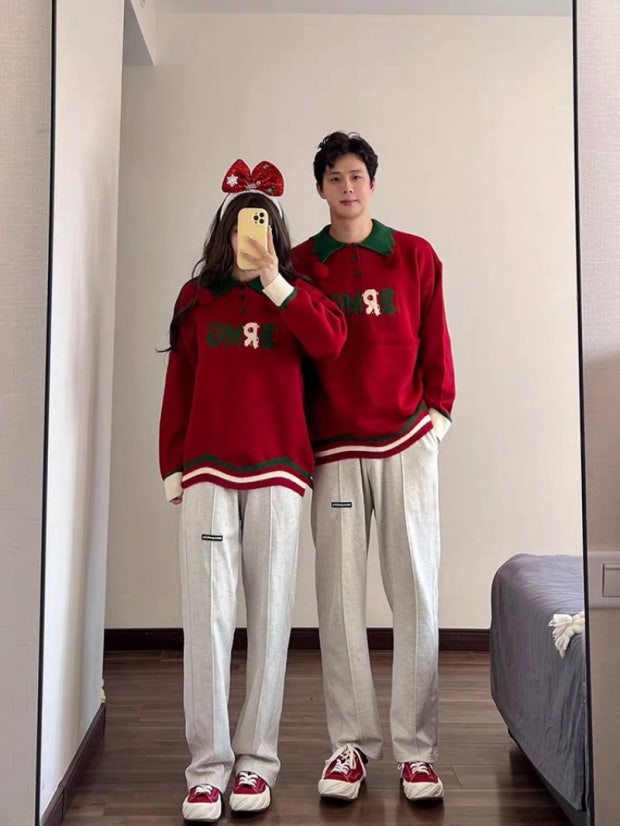
The Korea culture shock for most Western visitors is both the practice itself and the complete absence of irony with which it’s carried out. Korean couples match outfits with the same casual normalcy that Western couples might wear wedding rings. It signals commitment, unity, and — in a culture where public romantic affection is relatively restrained — visible togetherness. Read our Korean Dating Culture Guide for the full picture of how Korean relationships work.
Korea Culture Shock #14 — The Internet Is Disturbingly Fast
Korea has the world’s fastest average internet speeds — consistently significantly faster than the US, UK, and most of Europe. What this means in practice: downloads that take minutes elsewhere take seconds. Video streaming in 4K without a single buffer is the baseline expectation, not a luxury. Public Wi-Fi in subway stations, cafés, and even most street-level public spaces is fast enough to comfortably video call from.
Coming from a country with average or below-average internet infrastructure and then spending time in Korea produces a form of reverse culture shock on return home that Korean expats abroad describe with genuine sadness.
Korea Culture Shock #15 — Delivery Culture Is on Another Level
Korea’s food delivery culture will redefine what you think is possible. Delivery riders — on motorcycles that move with terrifying urgency through Seoul traffic — will bring virtually any food to virtually any location within 15–30 minutes, at any hour of day or night. The Han River parks have designated delivery zones. People receive delivery food on hiking trails. Late-night fried chicken and beer at 2 AM, delivered to your door in 20 minutes, is so normalized that it has its own cultural vocabulary.
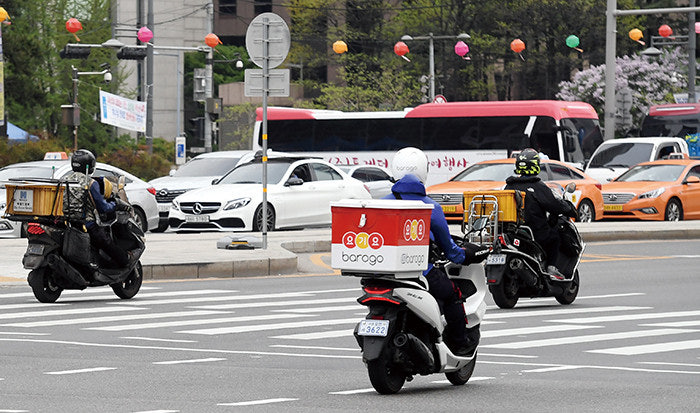
Apps like Baemin and Coupang Eats make ordering accessible even without Korean language ability, and many restaurants list English menu options. This is the Korea culture shock that most converts visitors into people who are slightly disappointed by their home country’s delivery infrastructure forever after.
Korea Culture Shock #16 — Ajummas Will Push You. And That’s Fine.
Ajumma (아줌마) — a term for middle-aged Korean women — represents one of Korea’s most formidable social forces. On subways, in markets, and in any crowded public space, ajummas operate with a physical directness — pushing past, cutting queues, securing seats with a determination that brooks no argument — that initially shocks visitors trained in the polite queueing culture of countries like the UK or Australia.
This isn’t rudeness in the Korean social context — it’s a generational expression of the practical, survival-oriented mentality that shaped Korea’s rapid development era. The correct response is to simply accept it with good humor. Attempting to assert Western queueing norms against a determined ajumma is a battle you will not win.
Korea Culture Shock #17 — Everything Is Delivered, Including Furniture and Appliances. Today.
Same-day or next-day delivery in Korea extends far beyond food. Coupang — Korea’s Amazon equivalent — delivers groceries, electronics, furniture, and appliances with a speed and reliability that makes Amazon Prime look sluggish by comparison. The Rocket Delivery system guarantees next-day delivery on millions of items ordered before midnight. For large items like refrigerators and washing machines, same-day installation is often included.
This Korea culture shock is particularly acute for expats who move to Korea and discover that setting up an apartment can be accomplished in 24 hours rather than the weeks it might take elsewhere.
Korea Culture Shock #18 — Koreans Are Extraordinarily Generous with Food
One of the most warmly surprising Korea culture shocks: Koreans share food with a generosity that feels almost aggressive to visitors unused to it. Food appears on your table that you didn’t order — because someone at the next table had extra. A Korean colleague buys the entire office lunch without announcement. A new acquaintance insists on paying for coffee despite having just met you thirty minutes ago.
Korean food culture is fundamentally communal — eating alone is increasingly normalized (the hon-jok culture) but eating together remains a primary expression of care, warmth, and social connection. Being on the receiving end of Korean food generosity is one of the most genuinely lovely Korea culture shock experiences available.
Korea Culture Shock #19 — The Skincare Routine Takes Longer Than Your Morning
Korean skincare routines — the famous 10-step regimen — represent a daily time and financial investment that genuinely surprises most visitors. But the Korea culture shock isn’t the routine itself — it’s seeing its results on real Korean people and understanding why they do it.
The prevalence of clear, healthy, youthful-looking skin across all age groups in Korea is not genetics alone. It’s sunscreen applied daily without exception, cleansing done properly twice a day, and consistent hydration maintained over decades. When you see a 50-year-old Korean woman with skin that looks 35 and ask what her secret is, the answer is “I’ve been doing the same skincare routine every day since I was 20.” Read our K-Beauty Skincare Routine Guide and Why Do Koreans Look So Young Guide for the complete picture.
Korea Culture Shock #20 — You Will Miss Korea When You Leave
This is the Korea culture shock no one warns you about — the specific, slightly melancholy feeling of returning home and realizing that some combination of the food, the safety, the efficiency, the nightlife, the skincare products, the delivery culture, and the sheer energy of Korean cities has permanently recalibrated your expectations.
Korea is one of those destinations that gets under your skin in a way that’s difficult to articulate and impossible to fully anticipate. The visitors who plan a single trip and end up returning multiple times are not an anomaly — they’re the majority.
Ready to experience Korea culture shock for yourself? Start with our Seoul 3 Day Itinerary and Things to Do in Seoul Guide to plan your first trip.

Korea Insider has lived in South Korea for 50 years and worked at international companies for over two decades — explaining Korean culture, food, and society to colleagues from the US, Europe, and Australia.
Internationally married with a Japanese spouse, Korea Insider brings both an insider’s depth and an outsider’s perspective to every topic on My Korea Tip.