
Solo Travel Korea: The Complete Guide for Independent Travelers (2026)
URL: /solo-travel-korea/ Focus Keyword: solo travel Korea Meta Description: Solo travel Korea is, in my view, one of the best decisions an independent traveler can make — safe, affordable, easy to navigate, and genuinely welcoming to people traveling alone. A Korean who’s watched solo visitors arrive for 50 years explains exactly how to do it right. Category: Travel Guides, Travel Tips & Planning
Solo travel Korea is, by most objective measures, one of the best decisions an independent traveler can make in Asia. The country is safe, the public transport is world-class, the food culture has a specific and well-developed relationship with eating alone, and the people — once you get past the initial formality — are genuinely interested in visitors who make an effort to engage with the culture rather than observe it from a tour bus.
I was born in Seoul in 1975 and have spent 23 years working in international business alongside foreign colleagues who visited Korea alone, many of them for the first time. The ones who had the best experiences shared a common approach: they moved slowly, ate at counters, took the subway, and said yes to things they didn’t fully understand. That approach works. This guide explains why, and how to apply it.
Why Korea Is Exceptional for Solo Travel
Three structural advantages make Korea unusually well-suited for independent travel.
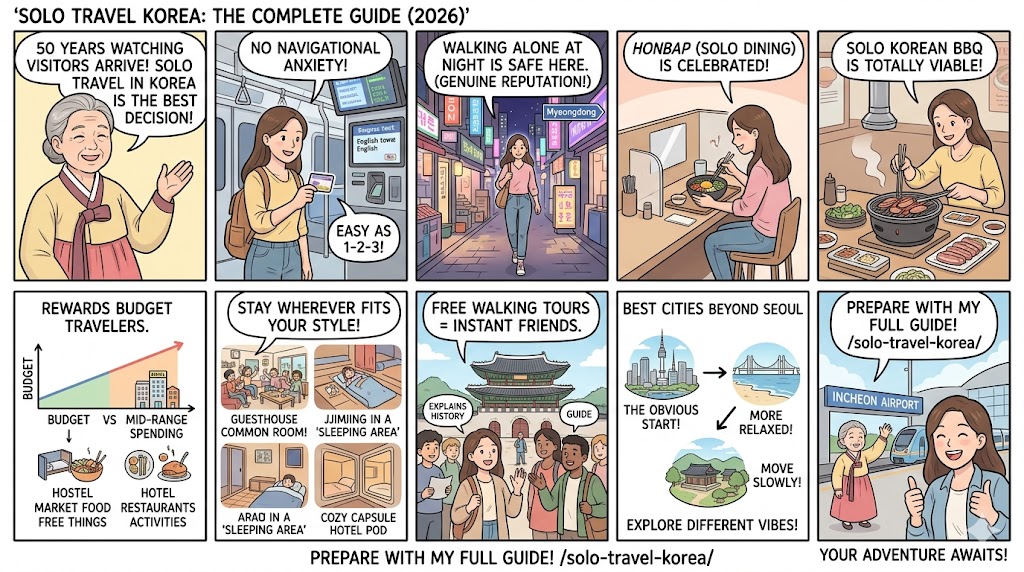
The infrastructure removes friction. Seoul’s subway system covers the city comprehensively, runs reliably, and is fully signposted in English. The T-Money card works on every subway line, every city bus, and in most convenience stores. Getting around Korea alone requires no Korean language ability, no negotiating with taxi drivers, and no navigational anxiety. You put money on a card and go.
Safety is genuine, not marketing. Korea consistently ranks among the world’s safest countries for international visitors. Violent crime against tourists is rare to the point of statistical insignificance. Walking alone at night in Seoul — including in the areas that look rough — is a qualitatively different risk calculation from equivalent behaviour in most major cities. My Is Seoul Safe for Solo Female Travelers guide covers the specific safety context in detail, but the short version is: Korea’s safety reputation is earned.
Solo dining is culturally embedded. The Korean concept of 혼밥 (honbap — eating alone) has gone from stigmatised to celebrated over the past decade, driven partly by the single-person household explosion and partly by a genuine cultural shift toward individual experience. Seoul now has restaurants designed specifically for solo diners — counter seating, dividers between seats, personal grill setups for one person. The anxiety that solo travelers sometimes feel about eating alone in Asia’s more group-oriented food cultures is, in Korea, largely unnecessary.
The Honbap Culture: Eating Alone in Korea
This deserves its own section because it is genuinely important for solo travelers to understand.
Eating alone in Korea was, for most of my life, socially uncomfortable — Korean dining is fundamentally communal, and a single person at a table in a Korean restaurant was a minor social anomaly. That has changed substantially. The combination of rising single-person households, shifting attitudes among younger Koreans, and the explicit celebration of solo culture in Korean media has produced a food landscape that actively accommodates independent diners.
Counter seating is common and increasingly preferred by solo diners. Many ramen restaurants, bibimbap counters, and Korean barbecue places now have bar-style seating where individual diners are expected rather than accommodated reluctantly.
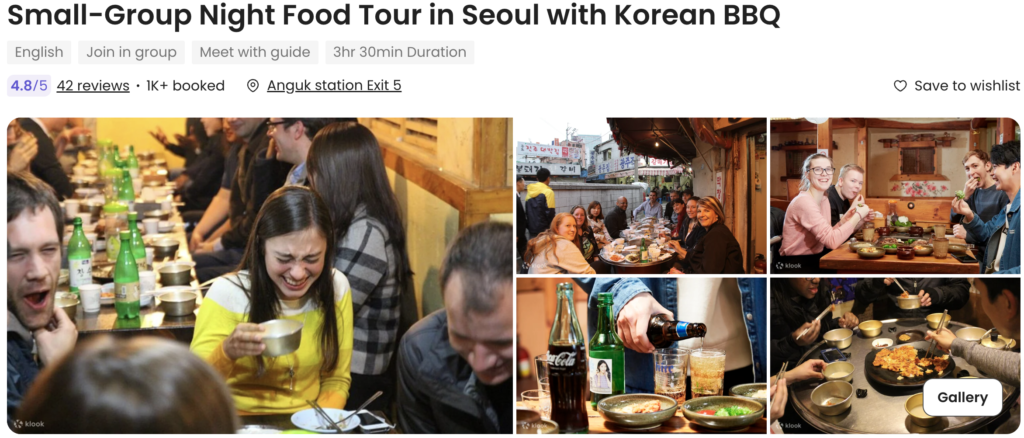
Solo barbecue — once genuinely impractical because Korean BBQ is designed for groups sharing a grill — is now served at dedicated solo barbecue restaurants where the grill is sized for one person and the banchan is adjusted accordingly. These restaurants exist in most Seoul neighbourhoods and are worth finding if Korean BBQ is on your list.
Convenience stores as solo dining — this is underappreciated but important. Korean convenience stores (CU, GS25, 7-Eleven) operate at a food quality level that makes them genuine meal options rather than emergency alternatives. A properly assembled convenience store meal — rice triangle, ramen cup cooked in store, a few side items — costs ₩5,000–₩8,000, takes five minutes, and is significantly more satisfying than the equivalent in most Western countries.
Solo Travel Budget in Korea
Korea rewards budget solo travelers more than most Asian destinations at an equivalent standard of living.
| Category | Budget Daily | Mid-Range Daily |
|---|---|---|
| Accommodation (hostel/guesthouse) | ₩20,000–₩40,000 | ₩80,000–₩150,000 |
| Food (three meals) | ₩25,000–₩40,000 | ₩60,000–₩100,000 |
| Transport (subway/bus) | ₩5,000–₩10,000 | ₩10,000–₩20,000 |
| Activities & entry | ₩10,000–₩20,000 | ₩30,000–₩60,000 |
| Total per day | ₩60,000–₩110,000 | ₩180,000–₩330,000 |
The budget tier is genuinely viable without compromising experience quality. Korean market meals, convenience store food, and the vast range of free things to do in Seoul mean that a solo traveler with discipline can have an extraordinary trip at the lower end of these figures.
For a full breakdown of costs, my Korea travel budget guide covers accommodation, food, and activity costs in detail.
Best Accommodation for Solo Travelers
Guesthouses and boutique hostels in Hongdae, Insadong, or Jongno provide the best combination of price, location, and social opportunity for solo travelers. The common room culture in quality Korean guesthouses is well-developed — you’ll meet other independent travelers without effort.
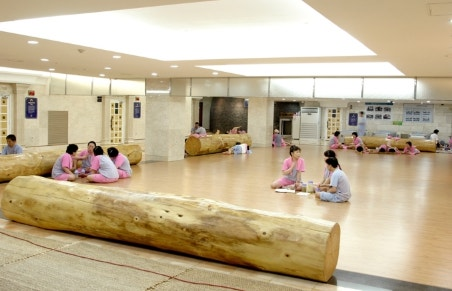
Jjimjilbang — Korean bathhouses — function as informal accommodation for solo travelers on a budget. Most operate 24 hours and charge ₩10,000–₩15,000 for overnight access to the common sleeping area (bring your own clean clothes). It is not private accommodation, but the experience is specifically Korean in a way that most hotel stays are not. My jjimjilbang guide covers the full etiquette.
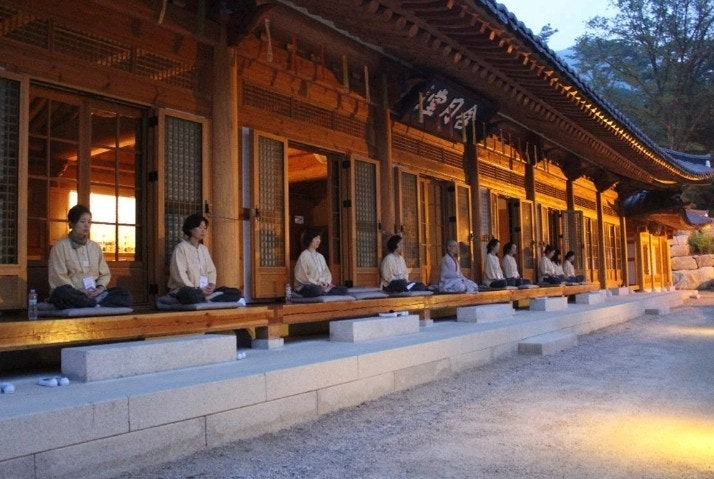
Templestay — Several Buddhist temples throughout Korea offer overnight stay programmes that include meditation, temple food, morning ceremonies, and accommodation. These are bookable in advance through the official Templestay website and range from one-night introductory programmes to week-long retreats. For solo travelers interested in a period of genuine quiet and Korean cultural depth, this is unmatched.
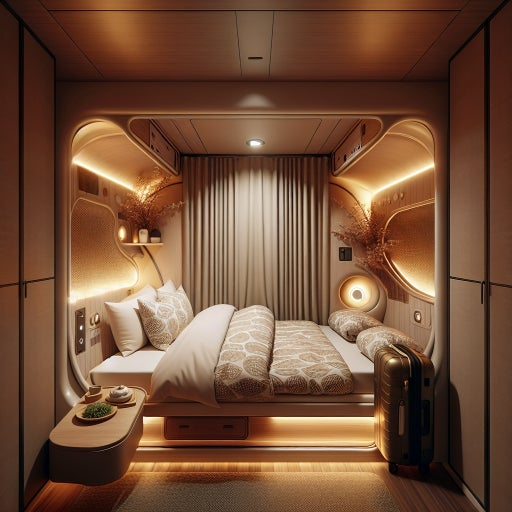
Capsule hotels — the format imported from Japan has established a presence in Seoul and Busan, offering private pod sleeping at hostel prices. Good for solo travelers who want privacy without paying hotel rates.
How to Meet People in Korea
Solo travel Korea is easy; solo travel Korea without occasionally talking to people misses something important. A few practical routes to genuine connection.
Language exchanges are popular in Seoul and structured around meeting Koreans who want to practice English or other languages while you practice Korean. HelloTalk and Tandem apps facilitate online connections; many in-person language exchange meetups operate weekly in Hongdae and Sinchon.
Free walking tours — Seoul, Busan, and Gyeongju all have free walking tours (tip-based) that attract solo travelers and provide a guide with genuine local knowledge. These are the most efficient way to cover a city’s highlights and meet fellow independent travelers simultaneously.
Guesthouse common rooms — the most underrated social resource in Korean travel. Korean guesthouses catering to international visitors tend to actively facilitate guest interaction in ways that hotels do not. Sitting in the common room in the evening with no agenda produces conversations that shape the trip.
Norebang with locals — Korean karaoke (norebang) is a private room experience rather than a public performance, which makes it considerably more accessible for solo travelers who aren’t natural performers. Being invited by Korean acquaintances — which happens naturally if you’re spending time in social spaces — produces some of the most memorable evenings a visitor can have. The barrier is lower than it looks.
Best Cities for Solo Travel in Korea
Seoul is the obvious starting point and genuinely excellent for solo travel — the infrastructure, the food range, the accommodation options, and the sheer volume of things to do make it the most forgiving city for independent travelers.
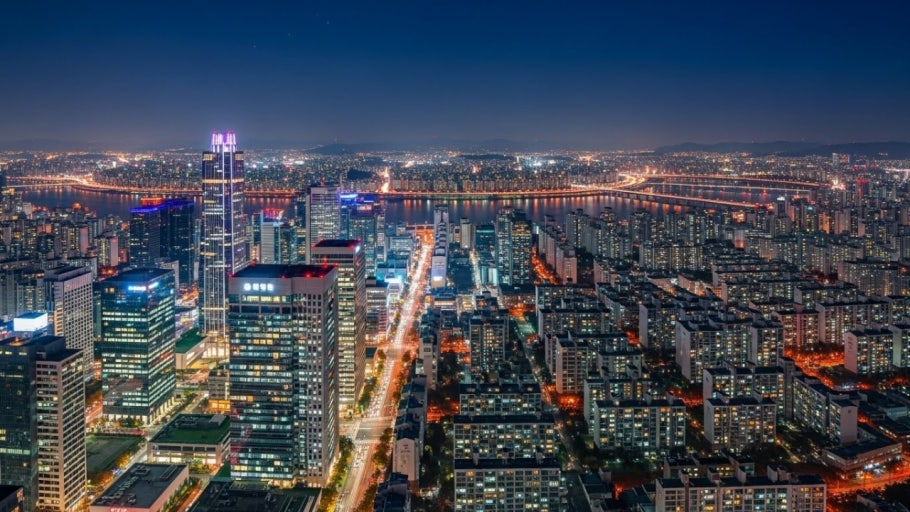
Busan is Seoul’s opposite in the most useful ways. More relaxed, more geographically dramatic, smaller in scale, and with a beach culture that creates natural social spaces. Solo travelers who find Seoul overwhelming often discover that Busan was the Korea they were looking for.
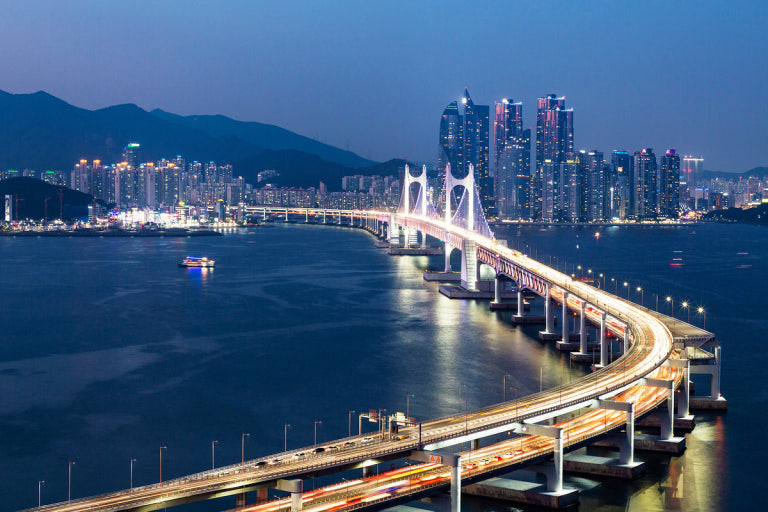
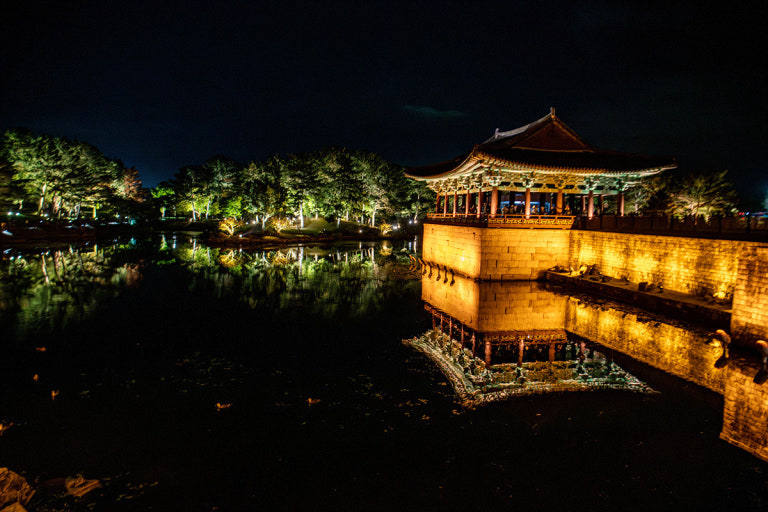
Gyeongju rewards solo travelers who move slowly. The ancient Silla capital has no skyscrapers and no rush — just royal tombs, temple ruins, and bicycle paths through historical landscape that feel genuinely different from anywhere else in Korea.
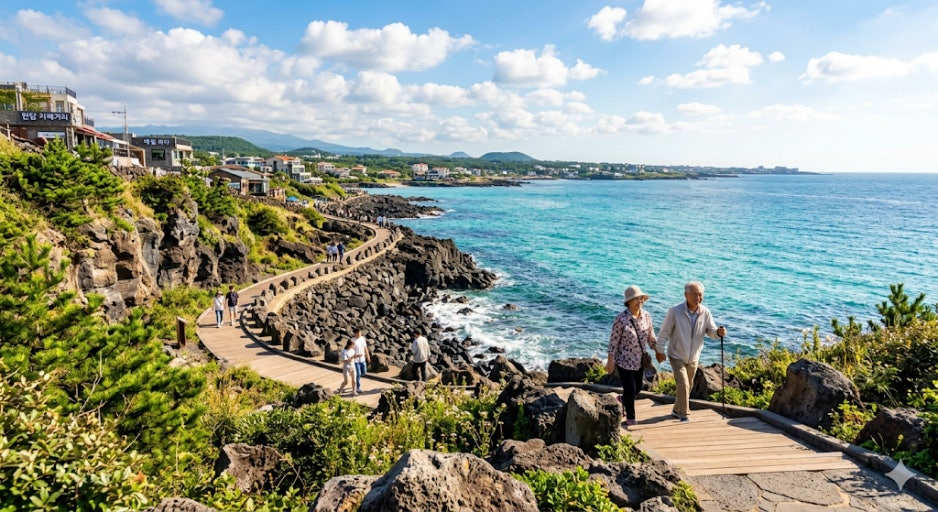
Jeju is manageable solo but requires either renting a car or accepting that public transport will limit what you see. The island’s highlights are spread across its geography in ways that make independent exploration by transit slow. If you go solo, rent a car — the freedom is worth the cost.
Practical Solo Travel Tips for Korea
Download Naver Maps before you arrive. It works better than Google Maps for Korean addresses and public transport navigation, and having it offline-capable is essential.
Learn ten Korean phrases. Not for survival — you can survive with zero Korean. For the quality of interactions with Koreans, which changes meaningfully when you make even a minimal effort. My Korean phrases for travelers guide covers the ten that matter most.
Carry cash for traditional markets. Card payment is ubiquitous in modern Korea, but traditional markets — Gwangjang, Namdaemun, Jagalchi in Busan — are cash-only. Keep ₩50,000 in small bills.
Use the call button at restaurants. Korean restaurants have table call buttons for summoning staff. Waving is unusual and less effective.
Don’t over-schedule. The solo travel experience in Korea rewards wandering — the neighbourhood you walked into because it looked interesting from the subway window often produces more memorable hours than the attraction you planned carefully. Build empty time into your itinerary and fill it with whatever the city offers.
Consider the T-Money card your most important purchase. Get it at the airport on arrival, load ₩50,000, and use it for everything transport-related. My what to pack for Korea guide covers the other essentials.
FAQ
Is Korea safe for solo travelers? Yes — Korea is among the safest countries in Asia for independent travel. Violent crime against tourists is genuinely rare. Solo female travelers specifically will find Korea safer than most Western cities of comparable size. Normal common sense applies; excessive caution does not.
Is Korea good for solo female travelers? Korea is consistently rated among the top destinations globally for solo female travelers. The combination of safety, walkability, excellent public transport, and a food culture that accommodates solo dining makes it exceptionally well-suited. The specific guide for solo female travelers covers the relevant details in full.
Is it easy to meet people while traveling solo in Korea? Yes, with a small amount of effort. Free walking tours, guesthouse common rooms, and language exchange meetups are the most reliable routes. Koreans themselves are more approachable than the formal first impression suggests — once initial contact is made, warmth follows quickly.
How much does solo travel in Korea cost per day? Budget travelers can manage comfortably on ₩70,000–₩100,000 per day ($50–$75 USD) including accommodation, food, and transport. Mid-range solo travel runs ₩180,000–₩300,000 per day. Korea is significantly more affordable than Japan at equivalent comfort levels.
What is the best city to start a solo trip to Korea? Seoul — for the infrastructure, the range of accommodation, and the volume of things to do within walking distance of any central neighbourhood. Fly into Incheon, take the AREX train to Seoul Station, and start from there.
Book These Before You Go

Korea Insider has lived in South Korea for 50 years and worked at international companies for over two decades — explaining Korean culture, food, and society to colleagues from the US, Europe, and Australia.
Internationally married with a Japanese spouse, Korea Insider brings both an insider’s depth and an outsider’s perspective to every topic on My Korea Tip.