
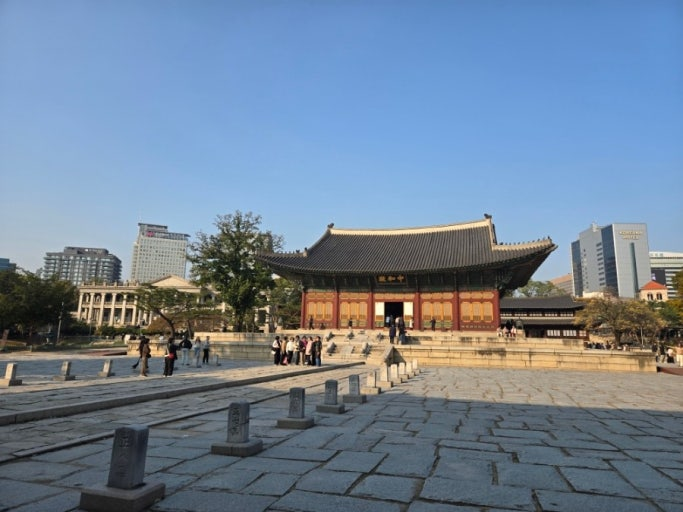
The best free things to do in Seoul are, in my experience, also the best things to do in Seoul full stop. This city has a reputation for being expensive — the accommodation and transport costs are real — but the actual experiences that make Seoul worth visiting cost almost nothing. The palaces, the markets, the neighbourhood walks, the parks, the street food browsing, the views — most of it is either free or cheap enough to feel that way.
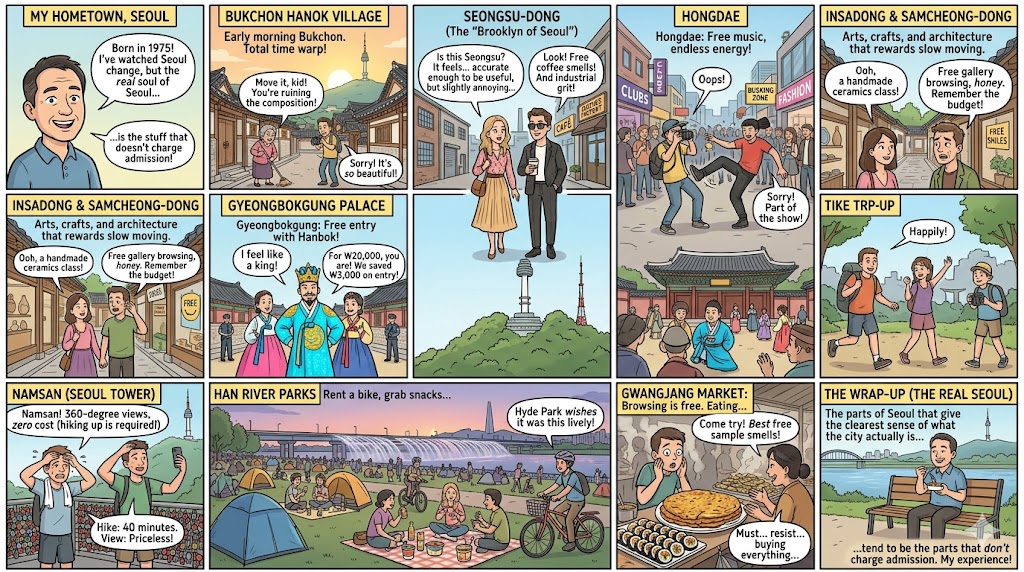
I was born here in 1975. I’ve walked these streets across every decade since and watched the city change around me. What hasn’t changed is that the parts of Seoul that give you the clearest sense of what the city actually is tend to be the parts that don’t charge admission. Here is where I’d send someone who wanted Seoul without the tourist price tag.
Free Neighbourhoods Worth an Entire Afternoon
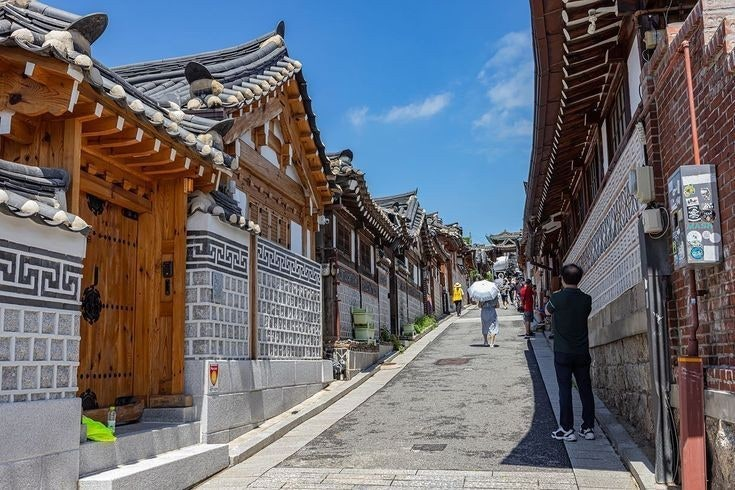
Bukchon Hanok Village
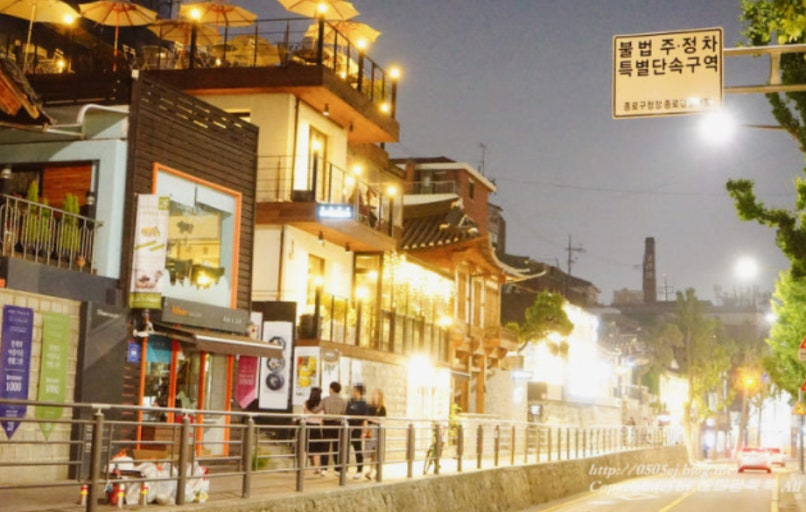
The most photographed neighbourhood in Seoul costs nothing to walk. The alleyways of traditional Korean houses (hanok) between Gyeongbokgung Palace and Changdeokgung Palace have survived decades of modernisation and offer the most direct visual connection to pre-industrial Seoul available anywhere in the city. The morning light on the rooftiles before 9 AM, looking south toward Namsan Tower, is genuinely one of the better views in Asia. My full Bukchon Hanok Village guide covers the exact walking routes and the quieter alleys most visitors walk straight past.
Seongsu-dong
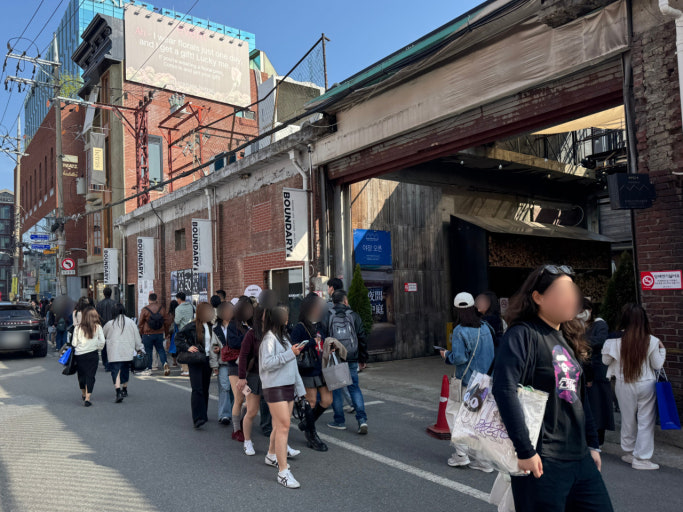
Seoul’s former industrial district on the east bank of the Han River has transformed over the past decade into the city’s design and café hub — the neighbourhood that international media keeps calling “Seoul’s Brooklyn,” which is accurate enough to be useful and reductive enough to be slightly annoying. Walking the streets between the old tannery buildings and the specialty coffee shops is free, absorbing, and tells you more about contemporary Korean culture than most paid attractions. My Seongsu-dong guide covers the best streets and what to look for.
Hongdae
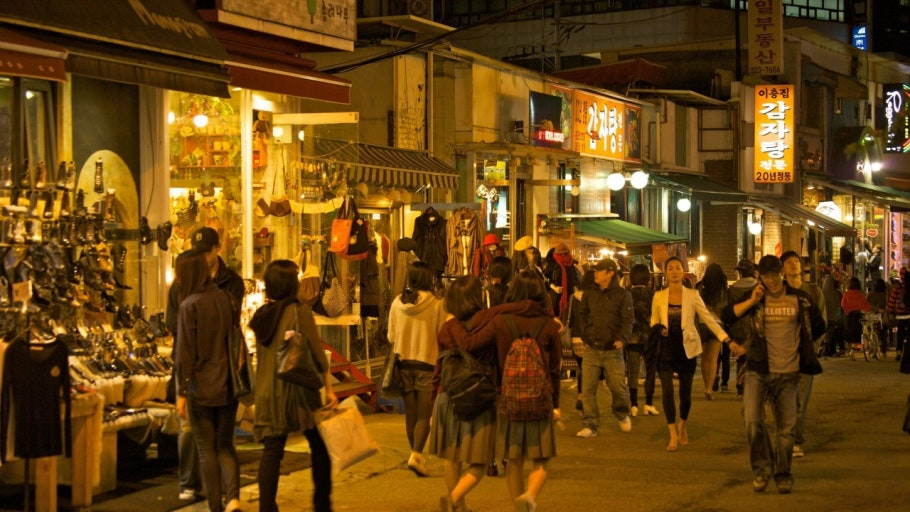
The university district that gave birth to Korea’s indie music scene is free to walk and perpetually alive. Street performers appear on weekends in the main square. The independent fashion stores require no purchase to enter. The wall art changes constantly. Come in the late afternoon and stay for the evening — the energy shifts distinctly after 7 PM and both versions are worth experiencing.
Insadong & Samcheong-dong
The arts and crafts district of Insadong connects naturally to the gallery-lined streets of Samcheong-dong to the north. Both are free to walk, the galleries are generally free to enter, and the architecture of the neighbourhood — a mix of traditional hanok and early 20th century buildings — rewards slow movement. The Ssamziegil courtyard off the main Insadong street has independent craft shops and the kind of covered walkway that was clearly designed by someone who cared about the experience of being in it.
Free Historical Sites
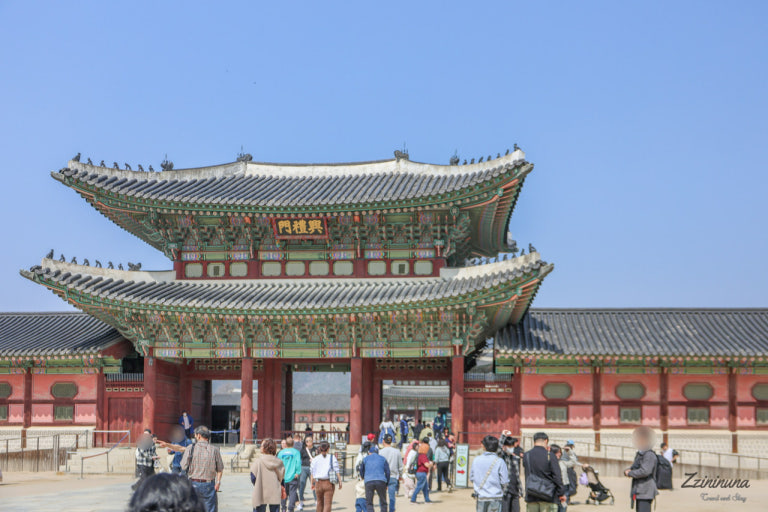
Gyeongbokgung Palace — Free With Hanbok
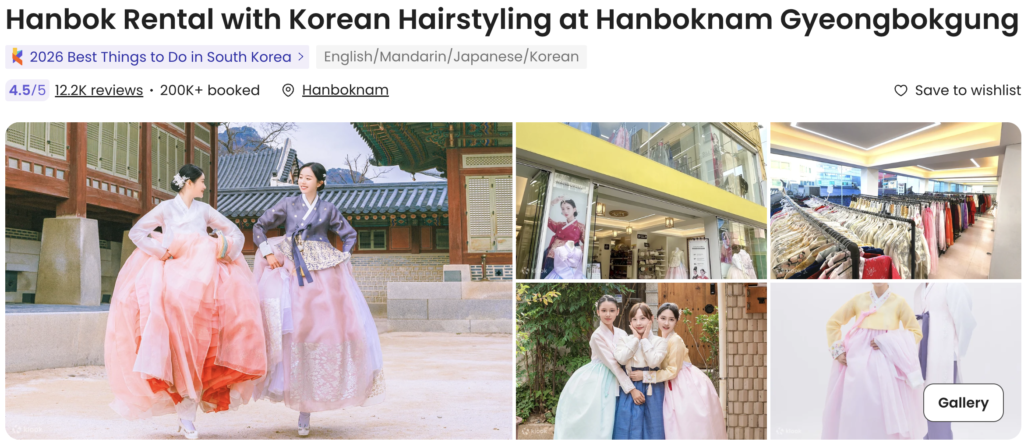
The palace itself charges ₩3,000 entry — barely worth calling a cost. More relevantly, wearing hanbok (traditional Korean dress) grants free entry, and hanbok rental shops cluster around the main gate charging ₩15,000–₩25,000 for a two-hour rental. The rental effectively pays for itself in the entry fee saved and produces significantly better photographs. My Gyeongbokgung Palace guide covers what to see inside, including the sections of the complex that most visitors miss entirely.
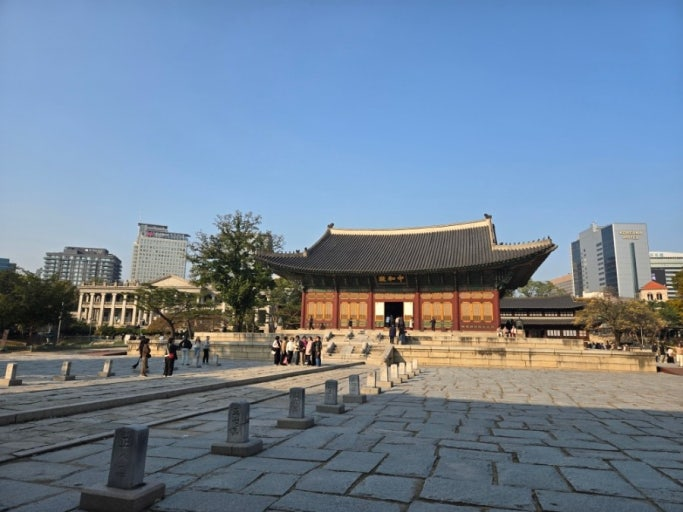
Deoksugung Palace — Free on Wednesdays
One of the five grand palaces of the Joseon Dynasty, located in central Seoul adjacent to Seoul City Hall Plaza. Entry is ₩1,000 — the cheapest paid admission in the city — and free on the last Wednesday of every month as part of the government’s Culture Day initiative. The changing of the guard ceremony at the main gate runs three times daily and is free to observe from outside the palace walls.
Korean War Memorial Museum
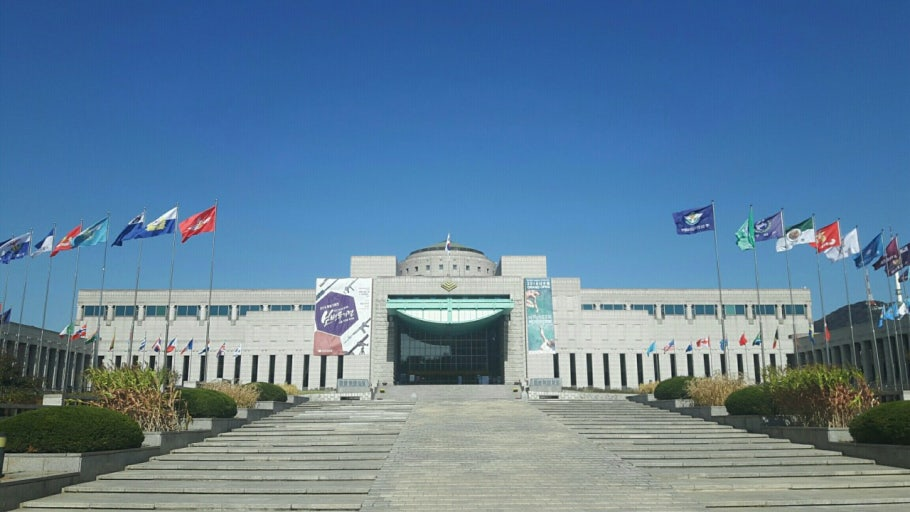
One of the most significant military history museums in Asia, covering the Korean War from 1950 to 1953 and the broader context of Korea’s 20th century. Entry is free. The outdoor grounds display full-scale aircraft, tanks, and naval vessels that require no admission at all. The indoor galleries are substantial — budget two to three hours for a proper visit. It is a moving and sobering experience, and it provides context for everything else you see in Seoul that a purely tourism-focused visit can miss.
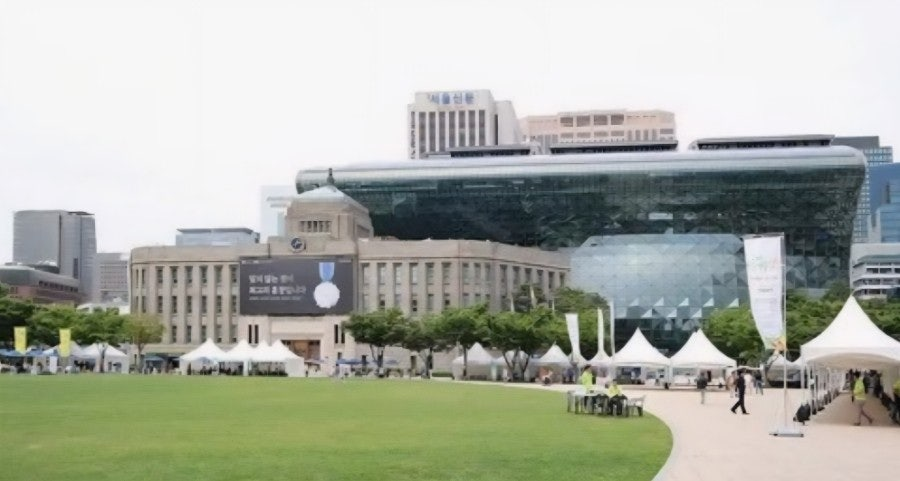
Seoul City Hall Plaza
The plaza in front of Seoul’s City Hall is a public space that Seoul residents use year-round for recreation, protests, ice skating in winter, and concerts throughout the year. The old City Hall building — preserved alongside the modern glass structure — is architecturally significant and free to enter. The underground Seoul Metropolitan Library inside the old building is open to the public.
Free Parks & Green Space
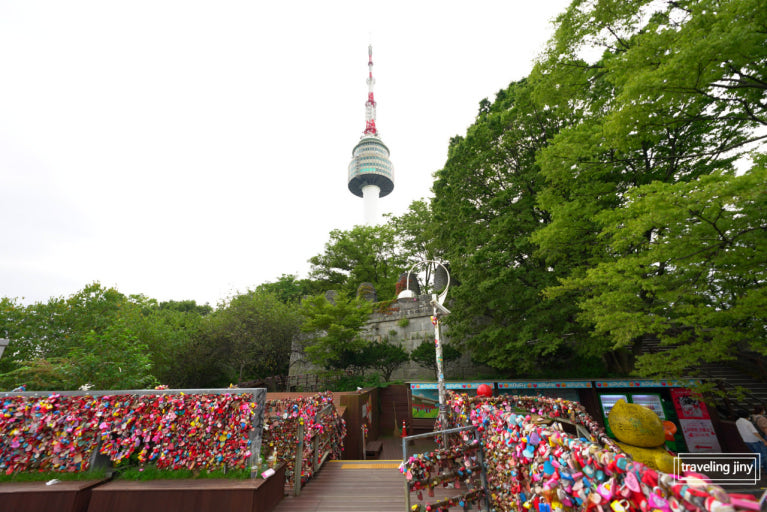
Namsan
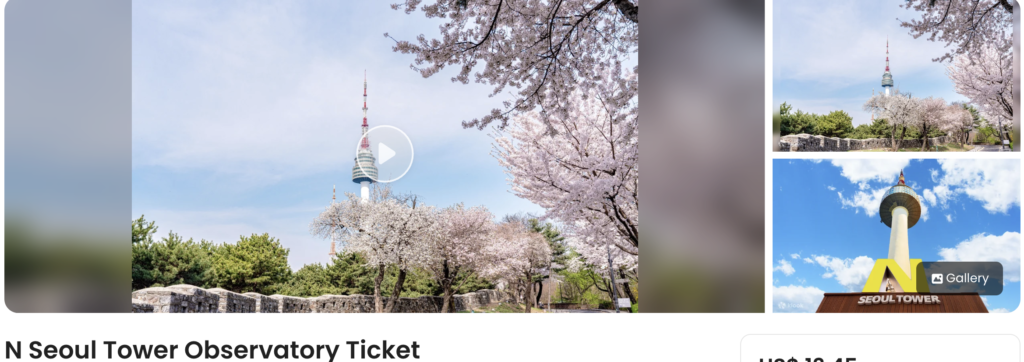
The forested mountain at the centre of Seoul is completely free to access. The trails from Huam-dong or Itaewon take 30–40 minutes to reach the summit on foot. N Seoul Tower at the top charges entry for the observation deck, but the outdoor platform below the tower — with 360-degree views over the city — costs nothing. The lock wall, the walking paths through the forest, and the views back down toward the Han River are all free. Come at sunset for the best light.
Han River Parks
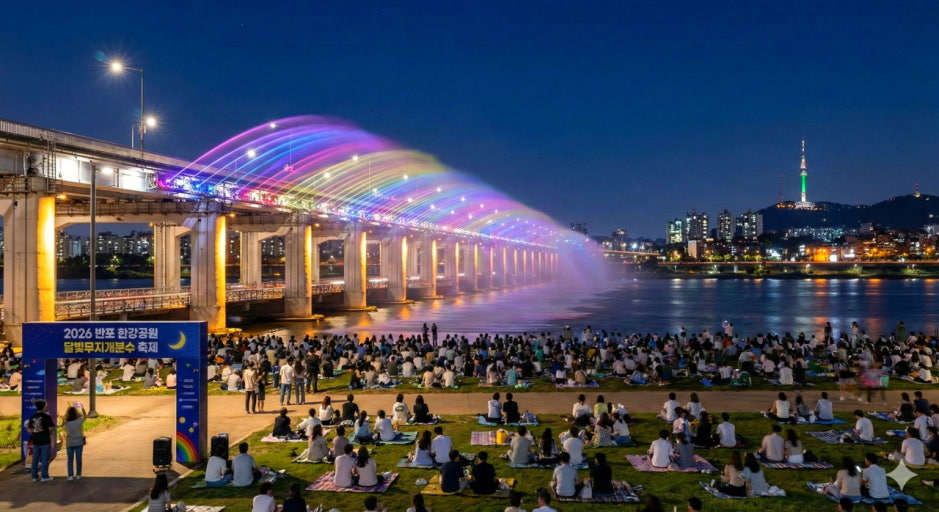
The Han River runs through the centre of Seoul flanked by a continuous chain of public parks — Yeouido, Banpo, Ttukseom, Mangwon, and others. All are free. Rent a bicycle from one of the automated rental stations (₩1,000 for an hour, operated by card), bring food from a nearby convenience store, and spend an afternoon on the grass watching the city from its waterfront. On summer evenings the parks fill with Seoulites in exactly the way that Hyde Park fills in London or Central Park fills in New York. This is what Seoul looks like when it’s not performing for visitors.
Seoul Forest
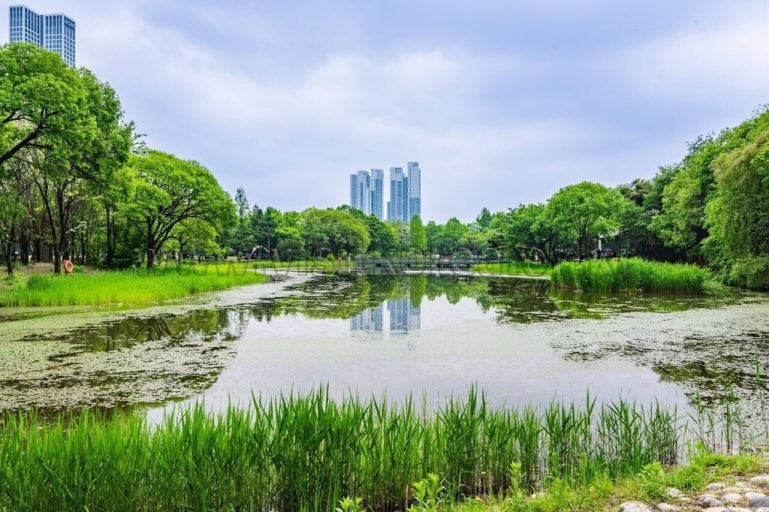
Located in Seongsu-dong, Seoul Forest is the city’s largest urban green space — 595 acres of woodland, wetlands, and open lawn. Free to enter, well-maintained, and home to deer that wander freely in the ecological section. A good half-day destination that connects naturally to a Seongsu-dong neighbourhood walk.
Bukhansan National Park
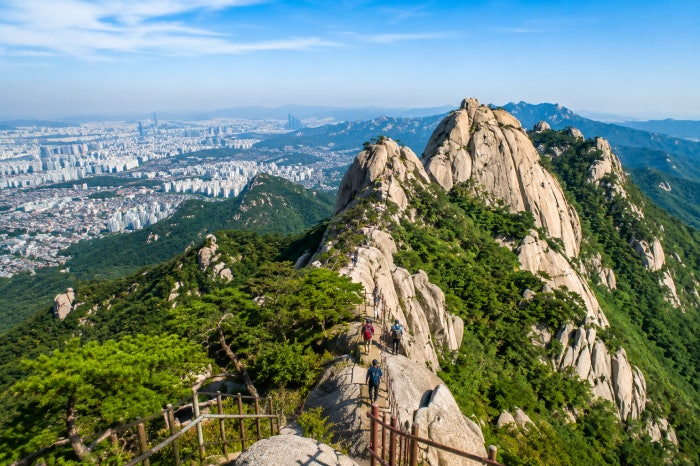
The mountain national park that begins within the city limits of Seoul offers some of the best hiking in Korea at zero cost. The Dobongsan and Bukhansan peaks require a moderate level of fitness but no technical climbing skills. Weekends bring serious numbers of Korean hikers in full mountain gear — a cultural experience in itself.
Free Markets & Food Browsing
Gwangjang Market
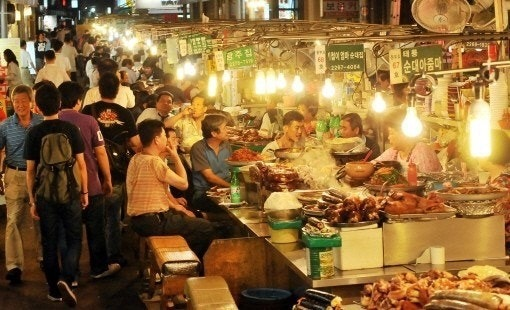
Korea’s oldest market is free to walk and the browsing is half the experience. The textile halls are a genuine spectacle even if you’re not buying, and the food stalls around the perimeter can be experienced simply by watching. When you’re ready to eat — and you will be — budget ₩10,000–₩20,000 for a full meal at a stall. My Gwangjang Market guide covers exactly what to order and which stalls to find.
Namdaemun Market
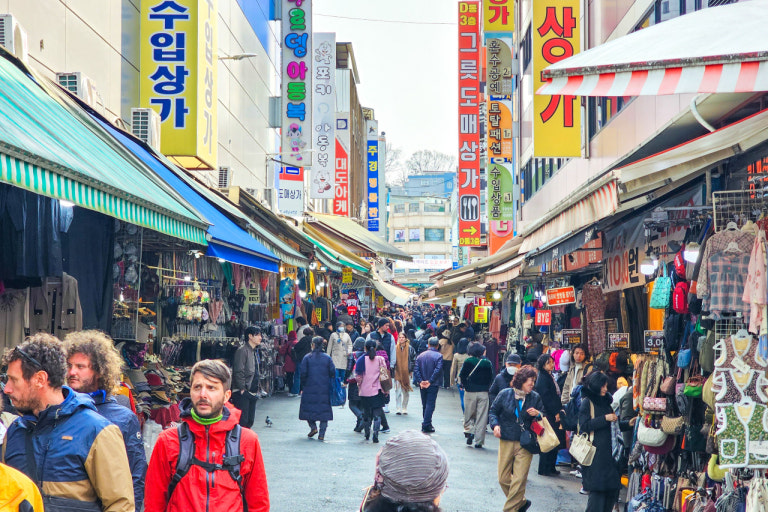
Seoul’s largest traditional market, operating since 1414, is free to enter and walk. The wholesale sections — clothing, kitchenware, spectacles, street food — operate at prices designed for Korean buyers rather than tourists. The 24-hour food alley inside the market serves haemul pajeon (seafood pancake) and galbitang (short rib soup) at prices that haven’t adjusted for tourism inflation.
Dongdaemun Design Plaza (DDP)
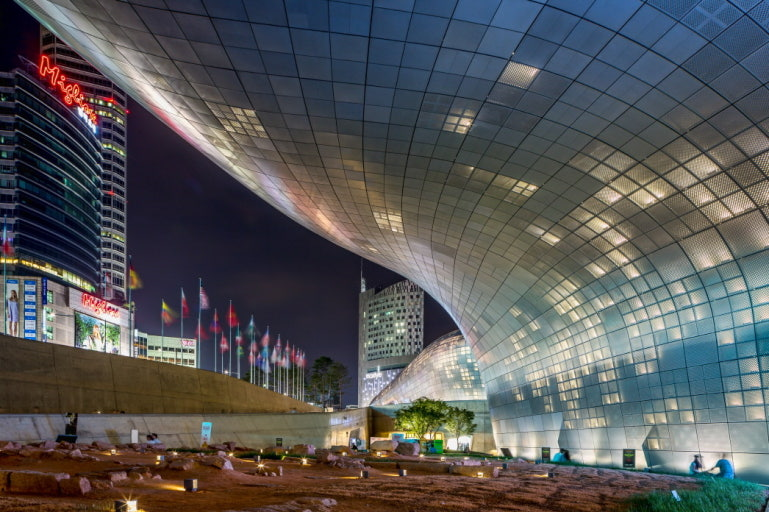
The Zaha Hadid-designed building itself is free to walk around and through — the exterior architecture alone justifies the visit. Temporary exhibitions inside charge entry; the permanent public spaces do not. The area around DDP at night, when the building is lit and the adjacent fashion market district is in full operation, is one of the most visually distinctive experiences in Seoul.
Free Cultural Experiences
Changdeokgung Secret Garden — Plan Ahead
The rear garden of Changdeokgung Palace, preserved almost entirely in its original Joseon-era state, is one of the most beautiful places in Seoul. The main palace charges ₩3,000; the Secret Garden requires a separate guided tour ticket (₩5,000) that sells out days in advance, particularly in spring and autumn. Book online before you arrive — the sold-out rate on peak days is high enough that turning up without a reservation is a risk not worth taking.
Gyeongui Line Forest Park
A former railway line converted into a 6-kilometre linear park connecting Hongdae to Sinchon. Free to walk, pleasant on a weekday morning, and dotted with small cafés and independent bookshops that have opened along the route since the park’s completion. The best version of the Seoul that exists outside the tourist brochure.
Street Performances in Hongdae
Weekend afternoons in Hongdae regularly feature unsolicited street performances — K-pop dance crews, solo musicians, busking acts of varying quality. All free. The performances are concentrated around the main exit of Hongdae station and the performance plaza nearby, typically from 3 PM onward on Saturdays.
A Note on Seoul’s Free / Cheap Divide
Something worth understanding about Seoul’s pricing structure: the experiences that feel most authentically Korean — market meals, neighbourhood walks, public parks, palace grounds — are almost all either free or under ₩5,000. The experiences that feel most like international tourism — rooftop bars, department store dining, ticketed attractions — scale up sharply from there.
For context on what a realistic Seoul trip costs across the full range, my Korea travel budget guide covers daily spending from budget to mid-range to comfortable.
FAQ
Is Seoul expensive for tourists? Accommodation and transport add up, but the actual experiences are very affordable. Food at markets and local restaurants costs ₩8,000–₩15,000 per meal. Public transport is cheap and excellent. Many of the best things to do cost nothing.
Which Seoul palace is free to enter? Gyeongbokgung, Changdeokgung, Deoksugung, Gyeonghuigung, and Changgyeonggung all charge a small entry fee (₩1,000–₩3,000). Entry is free with hanbok rental at most palaces. The last Wednesday of each month is free entry day at several palaces under the government’s Culture Day programme.
What is free to do in Seoul at night? The Han River parks are free and active until late. Dongdaemun Design Plaza and its surroundings are best visited at night when the architecture is lit. Hongdae’s street performance culture runs into the evening on weekends. The Banpo Bridge Rainbow Fountain runs on a schedule and is free to watch from the riverbank.
Is Namsan Tower free? The hike up Namsan Mountain is free. The cable car charges approximately ₩13,000 return. N Seoul Tower’s observation deck charges entry (approximately ₩21,000). The outdoor viewing platform below the tower, the forest walking paths, and the lock wall are all free.
Are the Han River parks free? Completely free to access. Bicycle rental from automated stations costs approximately ₩1,000 per hour. Convenience stores near the park entrances stock everything you need for a riverside picnic at normal Korean prices.
When You’re Ready to Add a Paid Experience
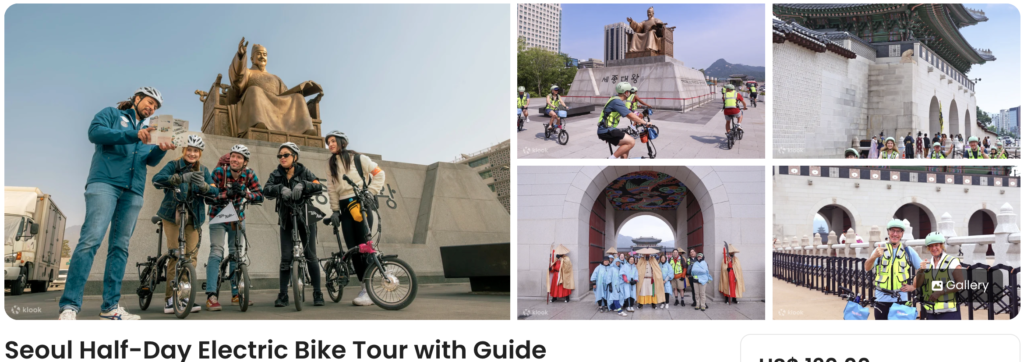
The free version of Seoul is genuinely excellent. When you want to go further, these are worth the cost.

Korea Insider has lived in South Korea for 50 years and worked at international companies for over two decades — explaining Korean culture, food, and society to colleagues from the US, Europe, and Australia.
Internationally married with a Japanese spouse, Korea Insider brings both an insider’s depth and an outsider’s perspective to every topic on My Korea Tip.