
Kimchi is not a side dish.
I have eaten kimchi every single day of my life for fifty years. This is not an exaggeration or a rhetorical device. It is simply true. Kimchi appears at every Korean meal — breakfast, lunch, and dinner — without negotiation. Growing up, I no more thought about kimchi as a choice than I thought about breathing as a choice. My Japanese spouse tried kimchi for the first time at our table, fifteen years ago, and the reaction told me something I hadn’t consciously understood before: that kimchi is not just food. It is a compressed version of Korean identity — the fermentation, the heat, the communal making, the family variation, the cultural ownership disputes with China and Japan. When a foreigner genuinely understands kimchi, they understand something essential about Korea that no palace visit or K-drama marathon can provide.
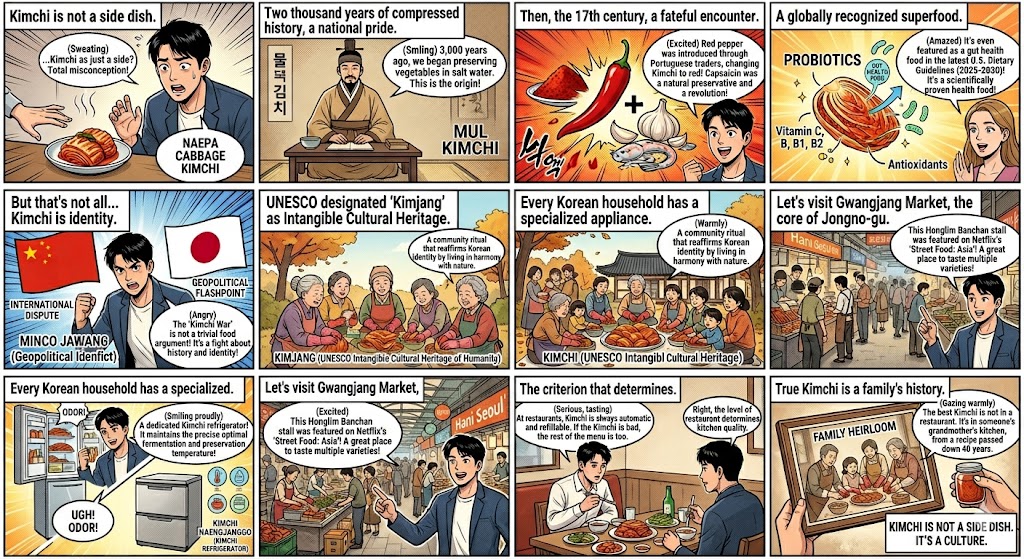
That framing — the small bowl of fermented cabbage that arrives automatically with every Korean meal and gets pushed to the edge of the table — misses the point entirely. Kimchi is the most culturally loaded food in Korea. It is the subject of an ongoing international dispute with China and Japan over ownership. It was officially recognized by UNESCO in 2013. It appeared in the United States government’s Dietary Guidelines for the first time in 2026. Korean apartments are built with a dedicated second refrigerator specifically for storing it.
Kimchi has been an integral part of Korean food culture for thousands of years. Today it is considered a symbol of identity for Korean people and is globally appraised as a healthy food. That last sentence sounds like marketing. It isn’t. The science is real, the history is real, and the cultural weight that Koreans attach to kimchi — a weight that foreigners consistently underestimate on first encounter — is entirely earned. Delivered
This is the complete story: where kimchi came from, what it actually is, the 200-plus varieties you’ll never find at a restaurant, why it became a geopolitical flashpoint, and what the research actually says about why it’s worth eating.
For where kimchi fits into the broader picture of Korean food culture, read our Korean Food Guide. To taste the best kimchi in Seoul, read our Gwangjang Market Guide.
Kimchi: The 3,000-Year History
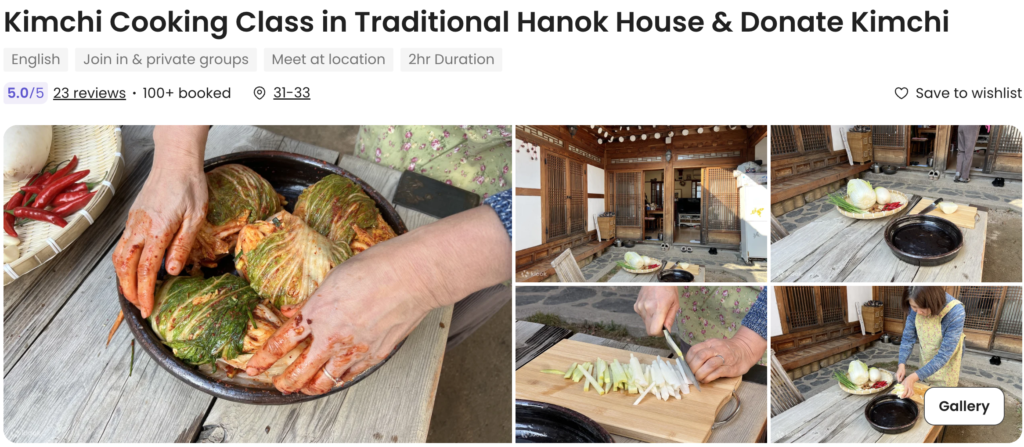
The story of kimchi dates back over 3,000 years to ancient Korea’s Three Kingdoms period. The earliest recorded kimchi appeared as a simple preservation method — vegetables soaked in salt water, creating what we now know as mul kimchi, or water kimchi. HaniSeoul
For most of that history, kimchi looked nothing like what you’re picturing. The vivid red color — the gochugaru chili powder coating that makes kimchi immediately recognizable — is a relatively recent addition. Red pepper was only added to the ingredients in the 17th century, after chili peppers arrived in Korea via Portuguese traders through Japan. Before that, kimchi was pale, brined, and mild — closer to pickled vegetables than the fire-red ferment most people know today. Korea Experience
The introduction of chili changed everything. The capsaicin not only added heat but acted as a natural preservative, allowing kimchi to last longer through Korea’s harsh winters. Combined with salted seafood and garlic, the fermentation process deepened. The flavor profile that defines modern kimchi — sour, spicy, funky, complex — is the product of that 17th-century collision between Korean preservation tradition and a pepper that didn’t even originate in Asia.
Kimchi: What It Actually Is
Kimchi is fermented vegetables. That is the correct starting definition — and it immediately opens into something much broader than the napa cabbage version most people have encountered.
Kimchi is the Korean name for preserved vegetables seasoned with spices and fermented seafood. It forms an essential part of Korean meals, transcending class and regional differences. Seoul Explorer
The fermentation is not incidental — it is the mechanism that makes kimchi what it is. Lactic acid bacteria convert the sugars in the vegetables into lactic acid, producing the characteristic sourness, preserving the food, and generating the probiotic cultures that make kimchi nutritionally significant. The process happens naturally, without any starter culture, driven entirely by the bacteria present on the vegetables and hands of the person making it.
Which is why every family’s kimchi tastes different. And why the recipe is passed down through generations as something closer to a family heirloom than a cooking technique.
Kimchi: 200 Varieties — The Ones Worth Knowing
Korean cuisine boasts over 200 distinct varieties of kimchi, each with unique ingredients, preparation methods, and flavor profiles. These variations reflect Korea’s rich culinary heritage and seasonal availability of ingredients. HaniSeoul
Most foreigners encounter exactly one: baechu kimchi, the napa cabbage version. Here are the others worth knowing.
| 김치 이름 | 재료 | 특징 |
|---|---|---|
| 배추김치 (Baechu) | 배추 (나파 양배추) | 가장 흔한 종류 — 대부분이 아는 그것 |
| 깍두기 (Kkakdugi) | 무 (큐브 모양) | 아삭한 식감, 고기 요리와 최고의 궁합 |
| oi sobagi (오이소박이) | 오이 | 여름 김치, 시원하고 가볍고 덜 발효됨 |
| 총각김치 (Chonggak) | 총각무 | 동치미와 비슷하나 더 매운 편 |
| 백김치 (Baek) | 배추, 고추 없음 | 빨간 양념 없는 백색 김치 — 순한 맛 |
| 동치미 (Dongchimi) | 무 (물에 담긴) | 국물형 김치, 겨울 전통 음식 |
| 열무김치 (Yeolmu) | 어린 무청 | 여름 별미, 비빔밥에 잘 어울림 |
| 파김치 (Pa) | 파 | 강렬하고 파의 풍미가 강함, 구운 고기와 최고의 조합 |
초보자를 위한 팁: 매운맛이 걱정된다면 백김치로 시작하세요. 고추가 전혀 없어 발효된 배추 본연의 맛을 그대로 느낄 수 있습니다. 그 다음은 깍두기 — 배추김치보다 아삭하고, 조금 덜 강렬합니다.
김장 (Kimjang): The Annual Event That Defines Korea
Kimjang is a festive communal traditional practice of preparing large quantities of kimchi to be consumed throughout winter. It is one of the main holidays in Korea and is considered to be the third biggest after Chuseok and Seollal. Korea Code
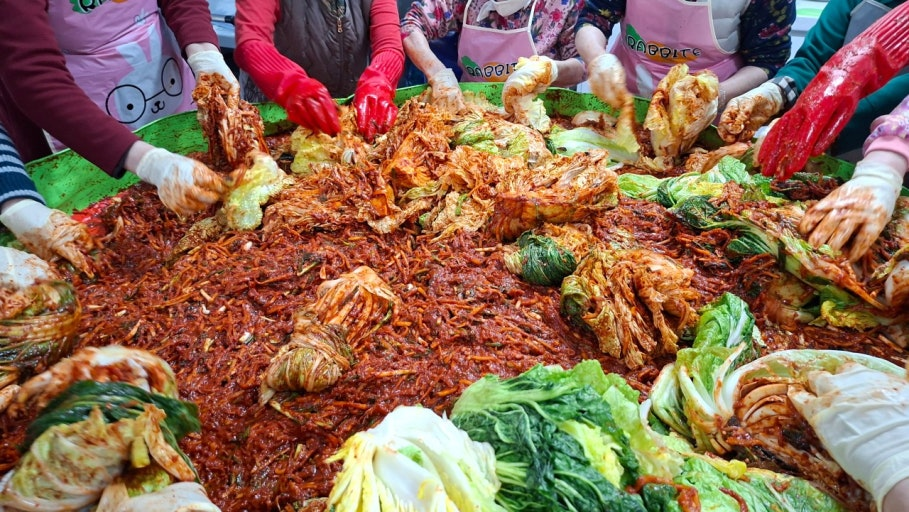
The third biggest holiday in Korea. Behind only Korean Thanksgiving and Lunar New Year. That is the cultural weight of kimjang — not a cooking day but a national event, a community ritual, a moment when families and neighbors gather, divide the labor, and produce enough kimchi to last through winter.
Preparation follows a yearly cycle. In spring, households procure shrimp, anchovy and other seafood for salting and fermenting. In summer, they buy sea salt for the brine. In late summer, red chilli peppers are dried and ground into powder. Late autumn is kimjang season, when communities collectively make and share large quantities of kimchi to ensure that every household has enough to sustain it through the long, harsh winter. Seoul Explorer
The communal practice of kimjang reaffirms Korean identity and is an excellent opportunity for strengthening family cooperation. It is also an important reminder for many Koreans that human communities need to live in harmony with nature. Delivered
That framing — kimchi as a philosophy of living in harmony with seasonal cycles — is not poetic exaggeration. It is how Koreans actually understand the practice. The ingredients follow the seasons. The preparation follows the weather. The sharing follows community bonds that predate modern social infrastructure.
In 2013, kimjang was added to UNESCO’s Representative List of Intangible Cultural Heritage of Humanity. The demand for enlisting kimjang was submitted by both South Korea and North Korea. The two countries that cannot agree on anything else agreed on this. Delivered
김치 전쟁 (The Kimchi Wars): Korea vs. China vs. Japan
Here is the part of kimchi history that most food guides skip.
Kimchi as the symbol of Korean culture and identity has faced many challenges throughout its existence, particularly with regard to its origin and recognition as a Korean gastronomic heritage. The term “kimchi war” refers to a cultural dispute between Korea and its neighboring countries — primarily China and Japan — regarding kimchi involving international organizations. Delivered
The dispute has two fronts.
With Japan: Japan produces its own version of kimchi — kimuchi — which is not fermented and contains no seafood, making it functionally a different product with the same name. Korean kimchi producers pushed for international standards that would distinguish authentic fermented kimchi from the Japanese variant. The international standard of kimchi was stipulated by the Codex Alimentarius Commission in 2001, largely in response to this dispute. Delivered
With China: In 2020, a Chinese state media outlet claimed that paocai — a Chinese pickled vegetable dish — was the origin of kimchi, after an ISO standard for paocai was published. Korean public reaction was immediate and intense. The claim was widely seen as an attempt to appropriate Korean culinary heritage, part of a broader pattern of Chinese appropriation of Korean cultural elements. The Chinese government later clarified that the paocai standard was not intended to cover kimchi.
For Koreans, the kimchi wars are not a trivial food argument. They are a proxy conflict about cultural identity — about which country owns a tradition that has defined Korean life for three millennia. The UNESCO recognition of kimjang in 2013 was, in part, Korea’s definitive answer.
김치의 건강 효능: What the Science Actually Says
Kimchi gained fresh global recognition after being named a gut health food in the latest Dietary Guidelines for Americans (2025–2030), issued by the US Department of Health and Human Services. In the new guidelines, kimchi is highlighted alongside sauerkraut, kefir, and miso as a fermented food that supports gut health by maintaining microbiome diversity. KoreaPeek
That is the US federal government officially recommending kimchi. Worth noting.
The science behind the recommendation:
프로바이오틱스 (Probiotics): Fermentation produces lactic acid bacteria — the same beneficial microorganisms found in yogurt, but at higher concentrations in well-fermented kimchi. These support the gut microbiome, which research increasingly links to immune function, metabolism, and mental health.
비타민 (Vitamins): Kimchi is rich in vitamins C, B1, and B2. The fermentation process increases bioavailability — meaning the body absorbs these nutrients more effectively than from raw vegetables.
항산화 물질 (Antioxidants): Garlic, ginger, and gochugaru (chili) all contain significant antioxidant compounds. Combined in a fermented matrix, their effects are amplified.
소화 (Digestion): The fiber content supports digestive regularity. The probiotics support the gut lining. The combination is why kimchi has been a staple of Korean medical tradition — not as folk belief, but as observed effect over centuries of consumption.
The honest caveat: kimchi is a salted food and can be high in sodium. Experts emphasize balance rather than excess, especially for people sensitive to salt. Kimchi is not a miracle food. It is a nutritionally dense fermented vegetable that, as part of a balanced diet, delivers measurable gut health benefits. KoreaPeek
김치냉장고: The Dedicated Kimchi Refrigerator
One detail that captures Korea’s relationship with kimchi better than any statistic: the kimchi refrigerator.
Korean apartments come standard with two refrigerators — a regular one and a dedicated kimchi refrigerator (김치냉장고 / kimchi naengjangggo). The kimchi fridge maintains the precise temperature range optimal for fermentation and preservation, preventing the kimchi from over-fermenting or freezing. It also seals tightly enough that kimchi odors do not contaminate other foods.

The strong odors of kimchi can taint any other products in a refrigerator. Despite modern advances in refrigeration, the custom of kimjang continues to be passed down the generations. Korea Experience
The kimchi refrigerator is not a luxury item in Korea. It is a standard household appliance, as expected as a washing machine. Its existence tells you everything about how central kimchi is to daily Korean life.
김치: 어디서 먹을까 — 서울 최고 맛집
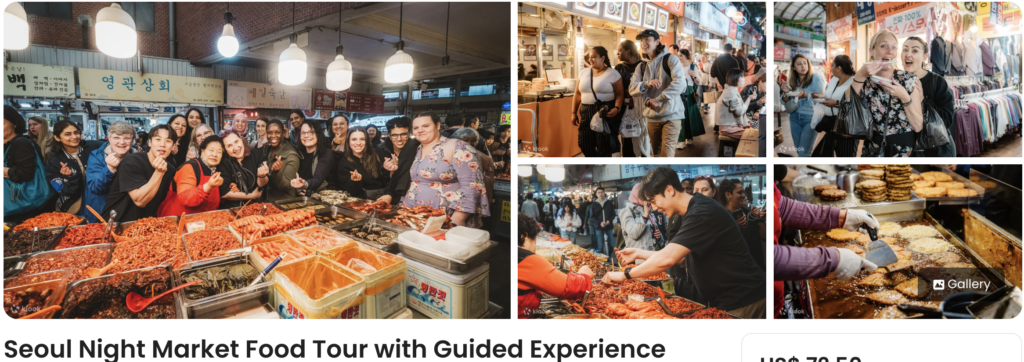
광장시장 (Gwangjang Market): The kimchi banchan stalls in Gwangjang sell house-made kimchi across every variety — the right place to taste multiple types side by side. Honglim Banchan is the most famous vendor, featured on Netflix’s Street Food: Asia. Read our Gwangjang Market Guide for the full picture.
모든 한국 식당 (Every Korean Restaurant): Kimchi arrives automatically with every meal as banchan — the complimentary side dishes that define Korean table culture. It is always free, always refillable, and always the clearest indicator of a restaurant’s kitchen quality. A restaurant that serves mediocre kimchi is a restaurant worth leaving.
집에서 만든 김치 (Homemade): The best kimchi in Korea is not in a restaurant. It is in someone’s kitchen, made by someone’s grandmother, from a recipe that has not been written down in 40 years. If a Korean invites you to eat at their home and serves kimchi, pay attention to it. That kimchi tells you more about that family than anything else on the table.

Korea Insider has lived in South Korea for 50 years and worked at international companies for over two decades — explaining Korean culture, food, and society to colleagues from the US, Europe, and Australia.
Internationally married with a Japanese spouse, Korea Insider brings both an insider’s depth and an outsider’s perspective to every topic on My Korea Tip.