
Seoul in summer is not what the photographs suggest. The images — cherry blossoms, clear skies, rooftop cafés — are almost all taken in spring or autumn. What you actually get in July and August is 33°C heat, humidity that makes that temperature feel like considerably more, monsoon rain that arrives in sheets without warning, and a city that has adapted to all of this in ways that are genuinely impressive once you understand them.
I’ve experienced 50 Seoul summers. I know exactly what they feel like and what they demand. The honest version is this: summer is not the best time to visit Seoul by any objective measure, and it is also not a reason to cancel your trip. With the right expectations and a few adjustments to how you plan your days, Seoul in summer delivers experiences that the spring and autumn crowds never see.
Here is what you need to know before you arrive.
The Weather: The Honest Version
June is transitional. Temperatures climb from pleasant (20°C early in the month) to uncomfortably warm (28–30°C by late June). Humidity begins building. The light is good and the crowds haven’t arrived yet — this is the underrated edge of the summer window.
July is when the monsoon season (장마, jangma) arrives in earnest. Rain falls heavily and frequently, sometimes for days at a time. Temperatures stay in the 28–33°C range. The humidity is the defining characteristic — not the heat itself, but the combination of heat and moisture that makes everything feel approximately five degrees warmer than it is. Outdoor activities require planning around the forecast in ways that other seasons don’t.
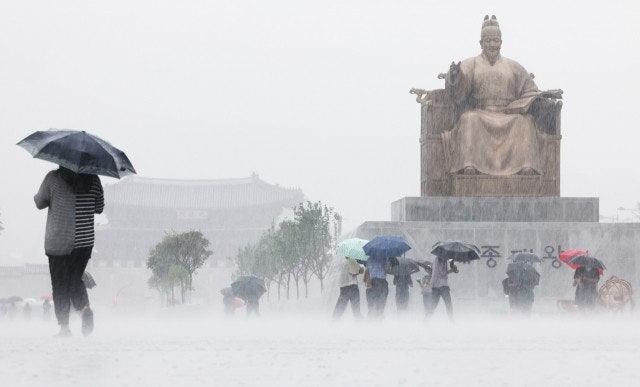
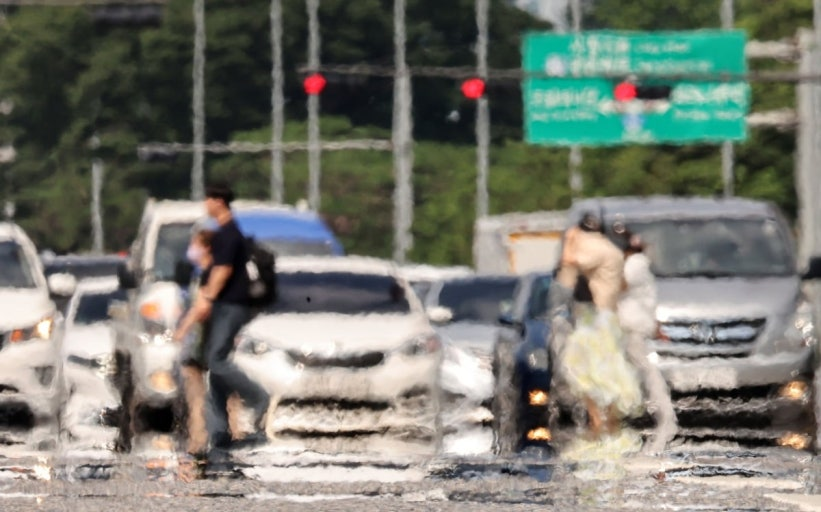
August is the peak. Hottest temperatures of the year, highest humidity, and the school holiday period that brings the most Korean domestic tourists to every major attraction. The heat breaks occasionally in late August as the monsoon winds down, but the last two weeks of the month are still demanding.
If you’re planning your first visit and have flexibility, my best time to visit Korea guide recommends April–May or September–October as the objective optima. If summer is fixed — because of school schedules, work constraints, or the simple reality that July is when you can go — this guide is for you.
What the Monsoon Actually Means for Visitors
The jangma (장마) season typically runs from late June through late July, though the exact timing varies by year. During peak monsoon periods, Seoul can receive 400–600mm of rain in a single month — roughly the equivalent of London’s entire annual rainfall compressed into four weeks.
What this means practically:
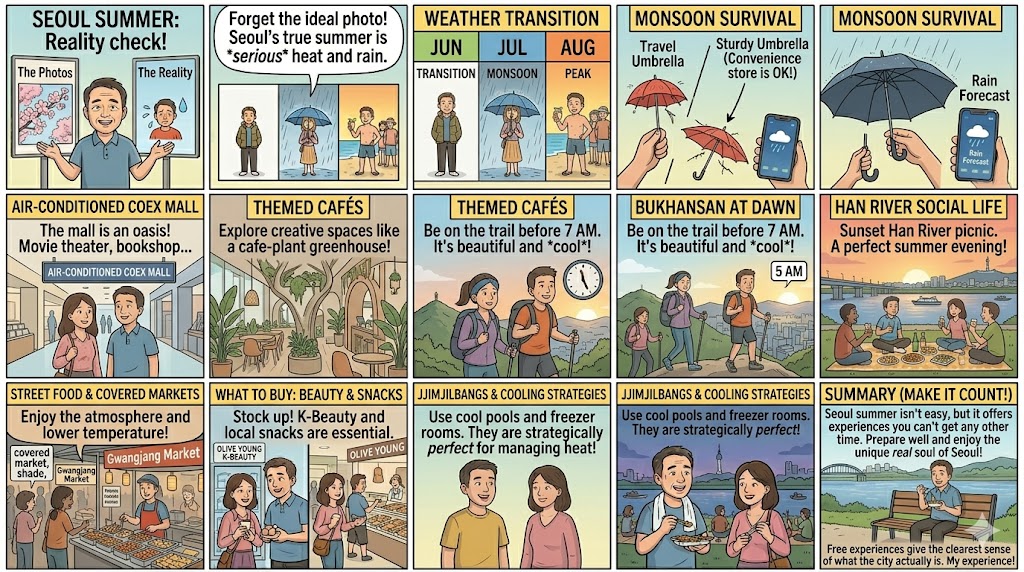
Carry a compact umbrella at all times. Not a travel-sized one that folds to nothing and inverts in light wind. A proper, reasonably robust umbrella that can handle heavy rain. Korean convenience stores sell decent ones for ₩5,000–₩10,000 if you arrive without one.
Check the forecast before outdoor plans. Korean weather apps (KMA, the Korea Meteorological Administration app) are more accurate for Seoul’s hyperlocal conditions than international apps. Rain can be heavy in one neighbourhood and absent in the next.
Indoor alternatives matter. Build your itinerary with indoor options for every outdoor plan. This is not pessimism — it’s the reason Korean indoor culture (the café scene, the covered markets, the underground shopping districts, the jjimjilbang) has developed to the level it has.
The rain stops. One of the specific characteristics of Korean monsoon rain is that it tends to arrive intensely and then clear. A downpour that seems like it will last all day often ends within two hours. Staying flexible rather than cancelling plans entirely is usually the right call.
The Upside: Why Seoul in Summer Works
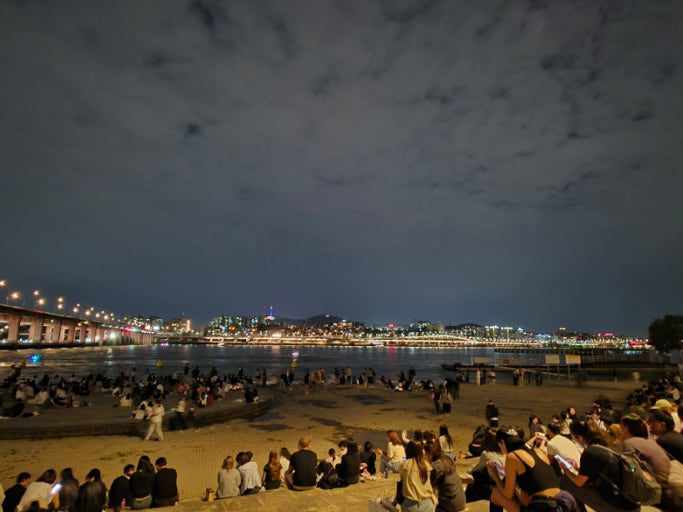
The nights are extraordinary. Seoul’s summer evenings — once the heat of the day has dropped slightly to a still-warm 26°C — are when the city is most alive. The Han River parks fill at 8 PM with groups eating, drinking, and watching the city lights reflect off the water. Outdoor pojangmacha (street stall) culture peaks in summer. The Seoul nightlife in Hongdae and Itaewon operates at its highest energy from June through August. If you’re a person who comes alive at night, summer Seoul rewards you.
The festivals are real. Korea runs significant summer festivals that don’t exist at other times of year. The Boryeong Mud Festival — a 90-minute bus ride from Seoul — brings hundreds of thousands of visitors annually to a beach covered in cosmetic mud from the local clay beds. It is chaotic, genuinely fun, and the kind of experience that produces stories. In Seoul itself, the Hi Seoul Festival and various Han River summer programmes run throughout the season.
The food is seasonal and excellent. Summer in Korea means cold naengmyeon (buckwheat noodles in icy broth), konguksu (cold soybean milk noodles), and patbingsu (shaved ice dessert) — all of which are significantly better eaten in the heat they were designed for than in any other season. The summer menu at Korean restaurants is distinct, underappreciated internationally, and worth seeking out specifically. The Gwangjang Market food stalls in summer add naengmyeon and cold dishes to the year-round lineup of bindaetteok and gimbap.
The Han River parks are fully operational. The riverside parks that line both banks of the Han River are at peak activity in summer — bicycle rentals, water sports, evening concerts, and the informal picnic culture that defines how Seoul residents actually spend their leisure time. Arriving at Yeouido or Banpo parks at 7 PM on a Saturday in August is the most accurate portrait available of how this city lives when it’s not working.
Best Summer Experiences in Seoul
Han River Evening Culture
The Han River parks are the centre of Seoul’s summer social life. Yeouido Hangang Park is the most developed — convenience stores, bicycle rentals, water sports facilities, and open lawn space. Banpo Hangang Park offers the Banpo Bridge Rainbow Fountain, which runs on a fixed schedule and is genuinely impressive viewed from the grass below. Come after 6 PM when the heat has dropped and the city lights have begun to define the skyline.
Bukhansan at Dawn
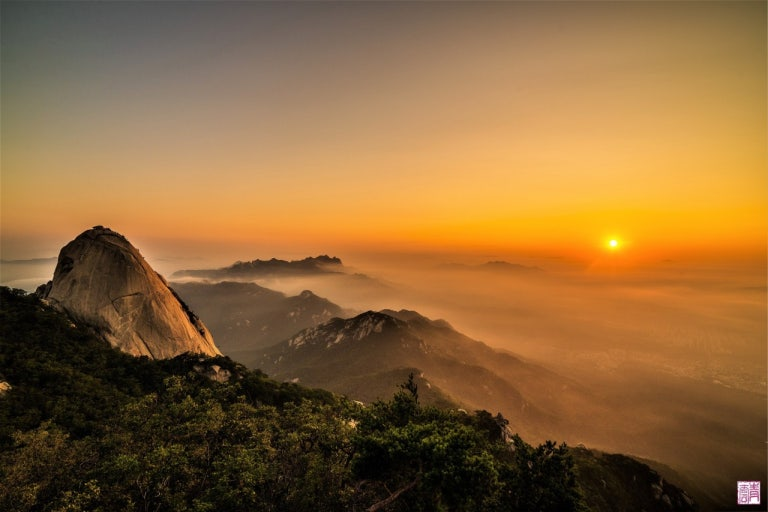
The mountain national park within Seoul’s city limits is best experienced in summer before 7 AM — the temperature is manageable, the trails are quiet, and the views from the ridgeline over the city in early morning light are worth the early alarm. By 9 AM the heat makes the upper trails uncomfortable and the lower paths crowded. Koreans know this and plan accordingly — if you see the car parks filling at 5 AM on a summer weekend, that’s why.
Underground Seoul: The Air-Conditioned Alternative
Seoul’s underground network — the subway system, the extensive underground shopping districts beneath Myeongdong, Dongdaemun, and Gangnam — is comprehensively air-conditioned and functions as the city’s parallel world during the hottest hours of summer days. The COEX Mall underground complex in Gangnam is effectively a small city — restaurants, bookshops, the Starfield Library, a cinema, and enough corridor space to spend an entire hot afternoon without going outside.
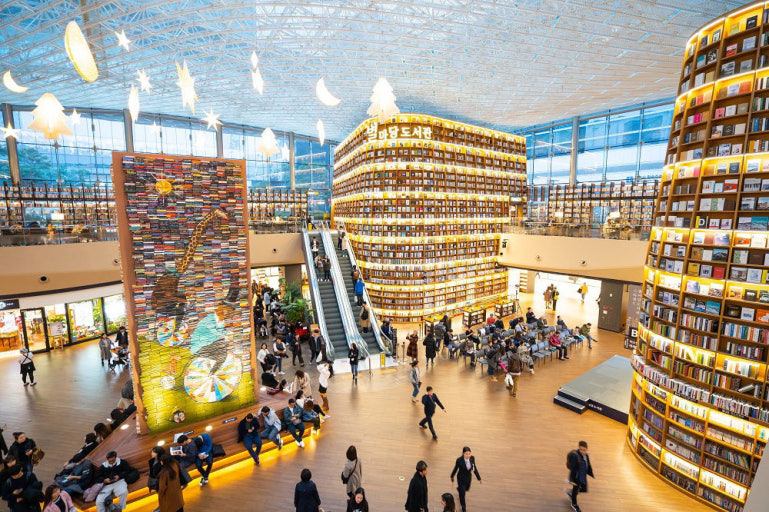
Themed Cafés and Indoor Culture
Seoul’s café culture exists year-round but becomes functionally necessary in summer. The themed café scene — animal cafés, plant cafés, art installation cafés, cafés where the concept is more important than the coffee — reaches peak creativity in summer when cafés compete for the heat-seeking visitor. Seongsu-dong and Hongdae are the densest zones for finding something architecturally interesting to drink coffee in.
Korean Street Food at Night
The Korean street food culture is most atmospheric in summer after dark, when the temperature drops enough to make standing outside comfortable and the pojangmacha (orange tarp stalls) along the streets of Mapo and Mangwon fill with office workers. Tteokbokki, odeng, hotteok, tornado potato — all exist year-round, all taste better eaten outside at 10 PM in August than they do under any other conditions.
Where to Cool Down
Jjimjilbang — Korean bathhouses are counter-intuitively excellent in summer. The cool rooms, the cold plunge pools, and the air-conditioned rest areas make a jjimjilbang visit a genuine temperature-management strategy rather than just a wellness experience in hot weather.
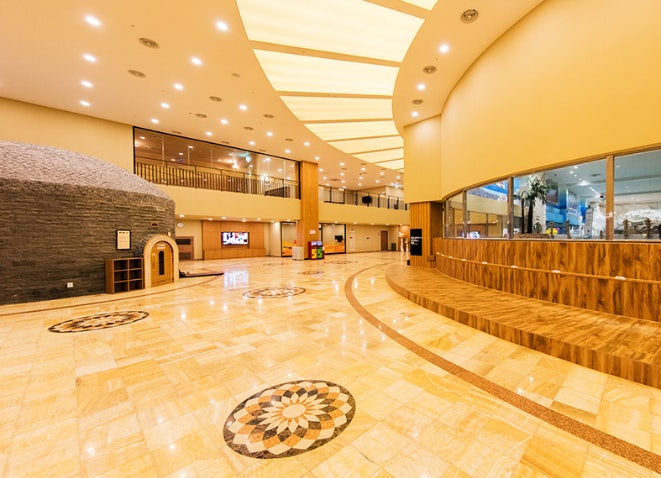
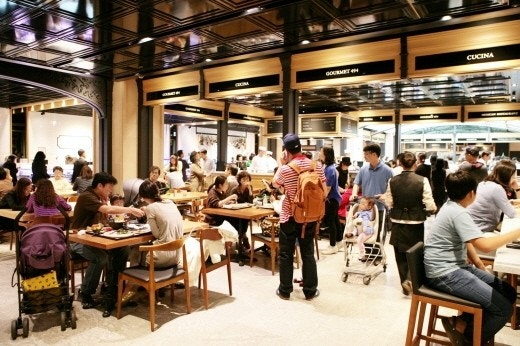
Department store food halls — The basement food halls of Lotte, Shinsegae, and Hyundai department stores are cold, beautifully maintained, and full of excellent Korean and international food at accessible prices. Browsing them for an hour during the 1–3 PM peak heat window is something Seoul residents do regularly and tourists rarely discover.
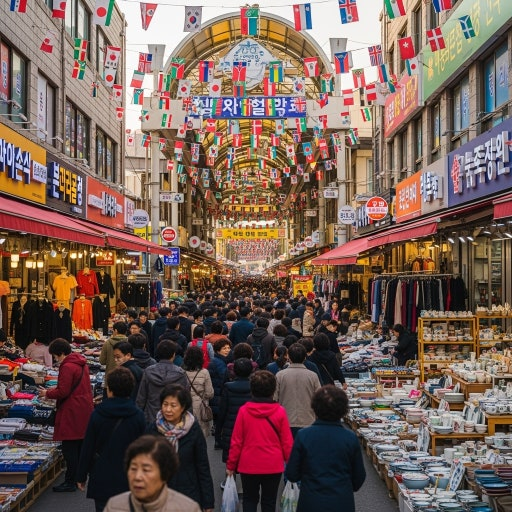
Namdaemun and Gwangjang covered markets — Both operate under permanent roofing that provides shade and, in the case of Gwangjang’s interior, keeps temperatures measurably lower than the streets outside.
Indoor swimming pools and water parks — Lotte World and Everland both operate water park facilities during the summer season, and several Seoul district pools are open to the public at minimal cost.
Summer Packing Reminders
For a comprehensive guide to what to bring, my what to pack for Korea guide covers all seasons in detail. For summer specifically, the non-negotiables are: moisture-wicking fabrics in quantity, a robust umbrella, comfortable walking shoes that breathe, and sunscreen in SPF 50+ (Korean formulations are excellent — buy on arrival from any Olive Young).
FAQ
Is Seoul worth visiting in summer? Yes — with adjusted expectations. Summer is not Seoul’s most comfortable season but it offers experiences (the Han River evening culture, the night food scene, the summer festivals) that don’t exist at other times of year. If summer is when you can go, go.
How hot does Seoul get in summer? July and August average highs of 30–33°C with humidity that makes it feel warmer. Heat index values of 35–38°C are common during peak summer. Evenings cool to around 24–26°C, which is when outdoor culture comes alive.
When is monsoon season in Seoul? Typically late June through late July, though the timing shifts annually. During peak monsoon, heavy rain can fall for extended periods. The weather clears between monsoon events and the rain rarely lasts all day without break.
Is it crowded in Seoul in summer? August is the peak domestic tourism month in Korea, coinciding with school holidays. Major attractions — Gyeongbokgung, Bukchon, N Seoul Tower — are more crowded than at other times of year. Arrive at popular sites before 9 AM to get ahead of the groups.
What should I wear in Seoul in summer? Lightweight, breathable fabrics. Linen, moisture-wicking synthetics, or light cotton. Koreans dress smartly even in heat — shorts and t-shirts are entirely acceptable in casual settings but smart-casual is the norm in restaurants and cafés. Carry a light layer for the aggressively air-conditioned indoor spaces.
What is the best area to stay in Seoul in summer? Myeongdong or Jongno for central access to covered markets and underground shopping — useful when rain forces indoor days. Hongdae if you want to be close to the evening culture that summer in Seoul does best.
Make the Most of Seoul’s Summer
Korea Insider has lived in South Korea for 50 years and worked at international companies for over two decades — explaining Korean culture, food, and society to colleagues from the US, Europe, and Australia.
Internationally married with a Japanese spouse, Korea Insider brings both an insider’s depth and an outsider’s perspective to every topic on My Korea Tip.