
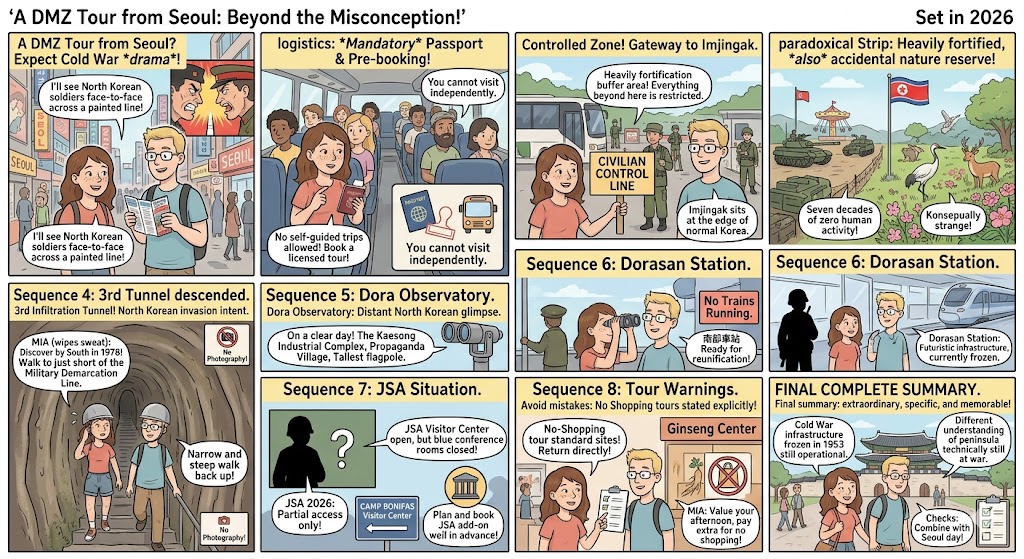
A DMZ tour from Seoul is unlike any other day trip in the world — and most visitors arrive with the wrong expectations.
The misconception goes like this: you will stand at a dramatic border crossing, stare directly at North Korean soldiers across a painted line, and feel the full weight of the Cold War in a single moment. Some of that is real. But the more accurate picture is this — you will spend a morning or full day in a heavily controlled military zone about an hour north of Seoul, descend into a tunnel that North Korea dug under the border in 1978 and still officially denies owning, look into North Korea from an observation deck through coin-operated binoculars, and return to Seoul in the afternoon with a different understanding of what it means to live on a peninsula that is technically still at war.
That experience is genuinely extraordinary. It is also specific, and knowing what you are actually going to see makes the visit significantly more meaningful.
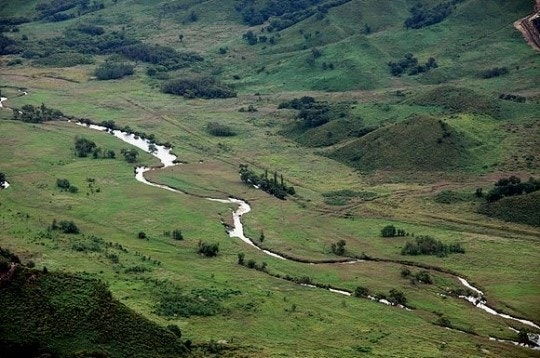
The DMZ — Demilitarized Zone — is a 250-kilometer-long, 4-kilometer-wide buffer strip separating North and South Korea, established by the 1953 Armistice Agreement. It is the world’s most heavily fortified border, with an estimated 1.8 to 2.2 million landmines. It is also, paradoxically, one of the most biodiverse wildlife corridors in East Asia — seven decades of zero human activity have turned the strip into an accidental nature reserve. Both facts are true simultaneously, which is part of what makes the DMZ one of the most conceptually strange places on earth. VIP Travel
This guide covers everything: what you will see, how the tour works, which option to book, what the JSA situation is in 2026, and how to avoid the common mistakes that leave visitors underwhelmed.
For planning your full Seoul itinerary around this day trip, read our Korea Travel Tips Guide. For understanding the historical context that makes the DMZ visit meaningful, read our Korea Culture Shock Guide.
DMZ Tour from Seoul: Essential Information
| Detail | Info |
|---|---|
| Distance from Seoul | ~50km north / 1–1.5 hour drive |
| Tour duration | Half-day: 5–6 hours / Full-day: 8–9 hours |
| Operates | Daily except Monday and public holidays |
| Booking | Required — independent access not permitted |
| Price range | ₩48,000–₩110,000 ($35–$80 USD) |
| Passport | Mandatory — without it, no entry |
| JSA (Panmunjom) | Partially reopened mid-2025; limited dates, advance booking required |
The single most important logistical fact: you cannot visit the DMZ on an independent self-guided trip. Individual travel beyond the Civilian Control Line is heavily restricted — you must book a guided tour. This is not a policy that can be worked around. Every visitor, regardless of nationality, is on a licensed tour bus with a registered guide. Korea Experience
DMZ Tour from Seoul: What You Will Actually See
임진각 (Imjingak Park) — The Gateway
Every tour begins here. Imjingak sits at the edge of the Civilian Control Line — the boundary before the heavily restricted zone. Everything you pass through to get here is just normal South Korea. Everything beyond is in the heavily guarded Civilian Control Zone, the buffer area before the actual edge of the DMZ. Time Travel Turtle
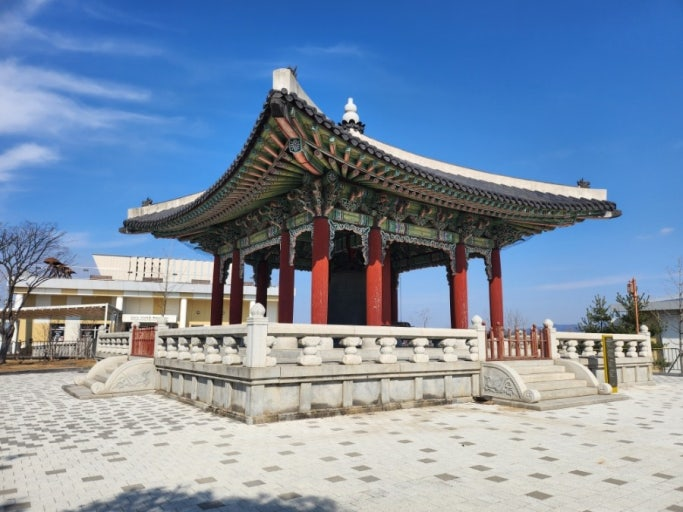
Imjingak contains war-era tanks and aircraft, the Bridge of Freedom (the bridge over which South Korean prisoners returned after the 1953 armistice), and memorials to families separated by the division. It is also, unexpectedly, home to a small amusement park — an odd collision of grief and tourism that perfectly captures the contradictions of the DMZ as a place.
Most tours spend 20–30 minutes here before boarding the military shuttle into the controlled zone.
제3땅굴 (The Third Tunnel of Aggression)
The highlight of nearly every DMZ tour — and the site that produces the most visceral reaction from visitors.
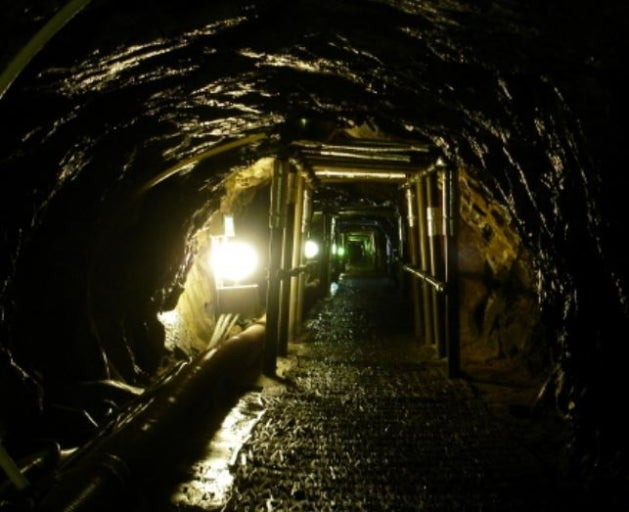
The tunnel was still being dug in 1978 when it was discovered by the South about 73 metres below the surface. By that point, North Korea had dug more than 1.6 kilometres, including 435 metres into South Korean territory. The estimated capacity was 30,000 soldiers passing through per hour. North Korea initially denied it was theirs, then claimed they had been searching for coal. The tunnel walls have been painted black in places — allegedly by the North to simulate coal seams. Time Travel Turtle
Visitors descend a steep ramp into the tunnel (helmet required), walk to a point just short of the Military Demarcation Line, and return. The space is narrow, low-ceilinged, and humid. If you have asthma, heart conditions, or severe claustrophobia, do not walk down the tunnel. A monorail option exists with limited availability. The walk back up is incredibly steep and humid. Comfortable shoes are non-negotiable. Korea Experience
No photography is permitted inside the tunnel.
도라산 전망대 (Dora Observatory)
Reopened in a new, higher location, this is the closest point you can get to North Korea on the standard tour. From the observation deck, binoculars allow you to see across the 4km DMZ. On clear days, visible landmarks include the Kaesong Industrial Complex (the now-shuttered joint factory zone), the Gijong-dong propaganda village, and the 160-meter North Korean flagpole — one of the tallest in the world. Korea Experience
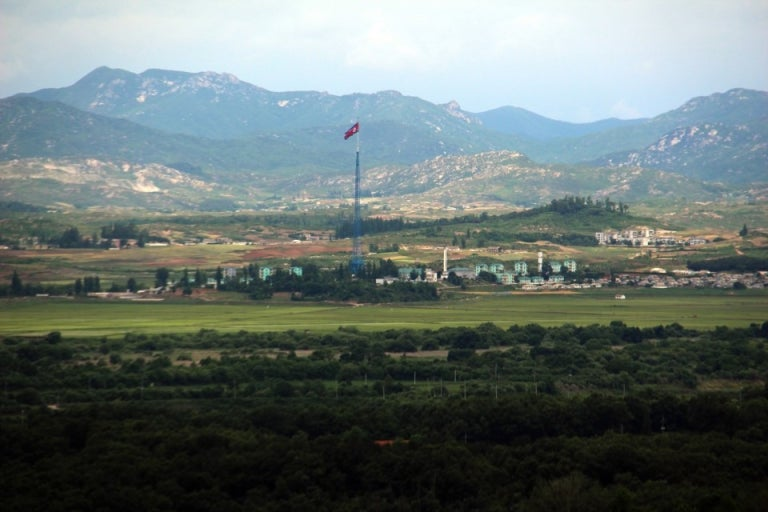
The binoculars are coin-operated (₩500 per use) or free depending on the tour and year — confirm with your operator. The view into North Korea is real but distant. Temper expectations: you are looking across a 4-kilometer buffer at what appear to be ordinary buildings, farms, and hills. The weight of the moment comes from knowing what you are looking at.
도라산역 (Dorasan Station)
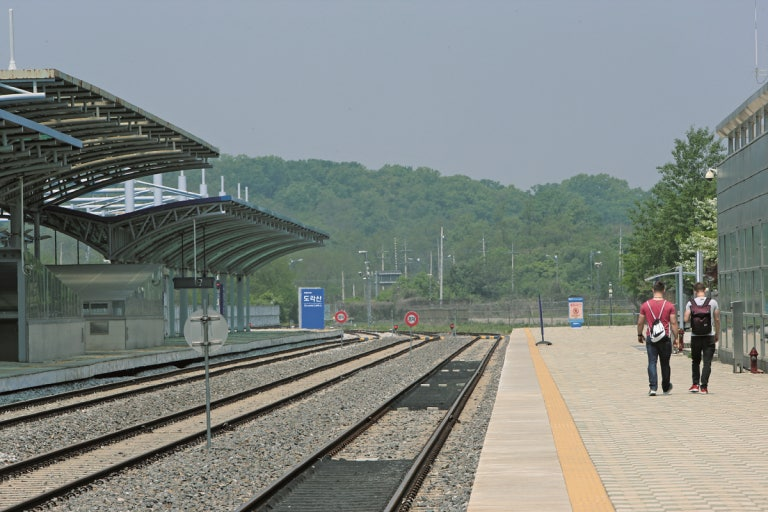
A fully built train station designed to connect Seoul to Pyongyang and eventually to the Trans-Siberian Railway — currently with no trains running and no passengers. The station is a futuristic, fully equipped facility sitting empty on the edge of the Civilian Control Zone. The southernmost station on the Gyeongui Line, it has been ready for reunification for over two decades. Most tour operators include a brief stop here. The atmosphere is part museum exhibit, part frozen infrastructure — and unlike anything else you will see on a Korea trip. Korea Experience
DMZ Tour from Seoul: Tour Types Compared
| Tour Type | Duration | Key Sites | Price (USD) | Best For |
|---|---|---|---|---|
| Half-Day Standard | 5–6 hrs | Tunnel + Observatory + Imjingak | $35–$45 | Tight itineraries, first-timers |
| Full-Day Standard | 8–9 hrs | Above + Dorasan Station + suspension bridge | $50–$65 | Those wanting the complete picture |
| JSA Add-on Tour | Full day | Above + JSA Visitor Center | $75–$110 | History-focused visitors |
| No-Shopping Tour | 5–6 hrs | Standard sites, direct return | $55–$70 | Anyone who values their afternoon |
The Shopping Tour Warning
In 2026, tour listings explicitly state “No Shopping.” Shopping tours are often cheaper (₩45,000–₩50,000) but force you to stop at a Ginseng Center or Amethyst Factory for 45–60 minutes on the return to Seoul. No-Shopping tours cost slightly more but return you directly, giving you your afternoon back. Always pay the extra $10–$15 for a No-Shopping tour. The time saved is worth it. Korea Experience
Half-Day vs. Full-Day
If you’re mainly interested in the DMZ itself, the half-day tour is more than enough. The Third Infiltration Tunnel and Dora Observatory are the highlights, and those are included in both versions. The full-day adds Dorasan Station and, on some operators, the Gamaksan Suspension Bridge — a scenic but DMZ-unrelated add-on that some visitors find anticlimactic. Girl on a Zebra
DMZ Tour from Seoul: The JSA Situation in 2026
The Joint Security Area (Panmunjom) — where North and South Korean soldiers once stood face-to-face across a painted line — is the most famous part of the DMZ. It is also the most complicated to visit.
The JSA partially reopened in summer 2025. You can now visit the JSA Visitor Center (Camp Bonifas) — but the Panmunjom blue conference rooms and Freedom House remain closed to tourists. JSA tours operate on a limited schedule, a handful of times per month, and book up quickly. South Korea Hallyu
Some nationalities require special permission to visit the JSA, and processing takes at least a week — whereas standard DMZ tours can sometimes be booked the day before, JSA tours should be planned and booked well in advance. South Korea Hallyu
The honest assessment for 2026: the JSA Visitor Center is interesting but not the dramatic face-off experience that most visitors imagine. The blue buildings where negotiations happened are visible but not accessible. If your primary goal is the JSA blue conference rooms, that experience is not currently available. If you want the historical and atmospheric context of standing at Panmunjom, the current partial access is meaningful.
DMZ Tour from Seoul: How to Book
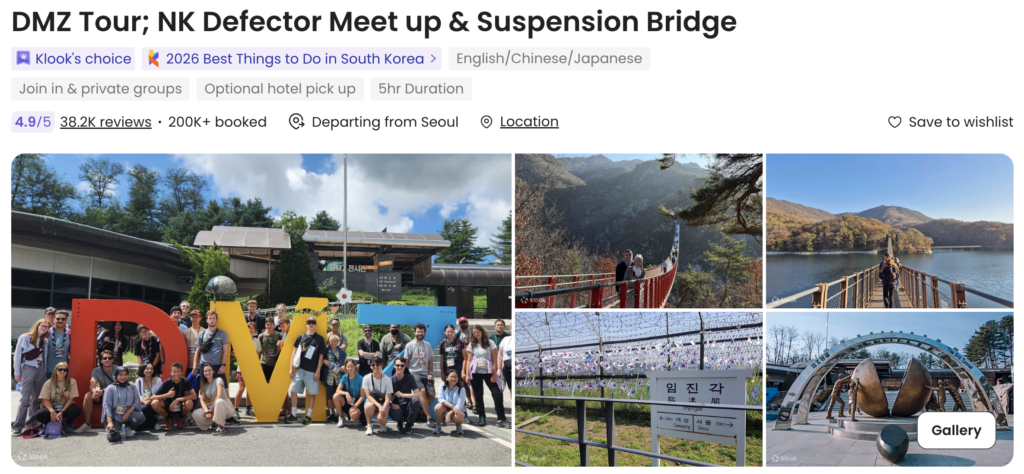
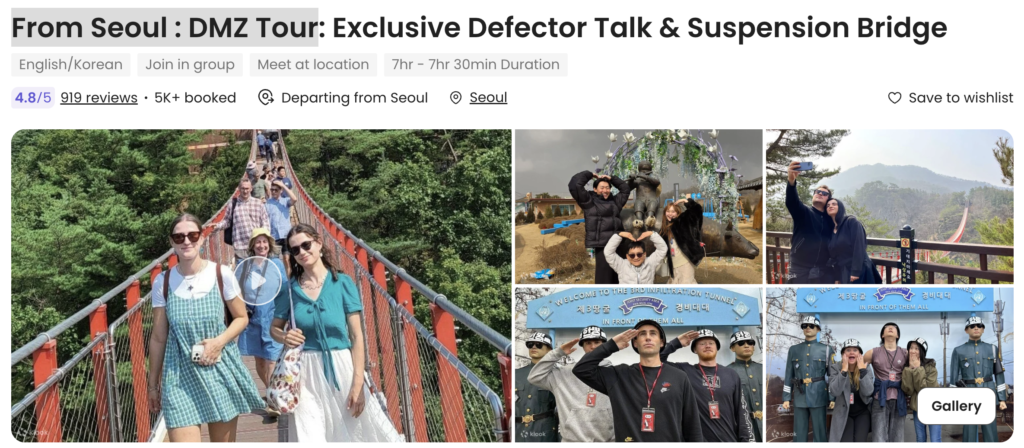
Klook is the most reliable booking platform for DMZ tours — real-time availability, instant confirmation, English-language customer support, and free cancellation on most listings up to 24 hours before.
Book at least 48–72 hours in advance for standard tours. For JSA tours, book as early as possible and submit passport information immediately — JSA entry requires United Nations Command registration.
What to look for when comparing listings:
- “No shopping stops” stated explicitly
- Passport checkpoint included in itinerary description
- English-speaking guide confirmed
- Pickup location from central Seoul (Myeongdong and Hongdae pickups are standard)
DMZ Tour from Seoul: Price Guide
| Item | Cost |
|---|---|
| Half-day tour (standard) | ₩48,000–₩62,000 (~$35–$45) |
| Full-day tour with suspension bridge | ₩68,000–₩90,000 (~$50–$65) |
| JSA add-on full-day tour | ₩100,000–₩150,000 (~$75–$110) |
| Tunnel monorail (if claustrophobic) | ₩5,000–₩8,000 extra |
| Observatory binoculars | ₩500 per use |
| Lunch at Dorasan (full-day tours) | Usually included |
DMZ Tour from Seoul: What to Wear and Bring
A strict dress code is enforced to respect the area’s sensitivity. Prohibited: sleeveless shirts, collarless t-shirts, shorts, skirts, sandals, military-style clothing, and items with national flags or country names. VIP Travel
The dress code is enforced — not advisory. Visitors who arrive at the checkpoint in prohibited clothing are turned away, tour fees non-refunded.
Pack list:
- Passport (mandatory — no exceptions, no digital copies)
- Comfortable closed-toe walking shoes
- Jacket or layer — the tunnel is cold year-round regardless of season
- Water bottle — there are limited vendors inside the controlled zone
- Camera (permitted at most sites; restricted or prohibited in specific zones — follow guide instructions)
DMZ Tour from Seoul: Practical Tips
Go on a weekday. Tours run daily except Monday and public holidays. Weekday tours have significantly smaller groups than weekend departures — the tunnel and observatory experience is better with fewer people. Korea Experience
Morning departure is better than afternoon. Most tours depart Seoul between 7:30–9:00 AM and return by early-to-mid afternoon, leaving your evening free. This is the correct structure — the DMZ experience is emotionally and intellectually heavy enough that you want daylight and energy.
Political climate awareness. When the risk level rises due to missile tests or cross-border incidents, tours are cancelled or rerouted rather than sending visitors into unstable areas. Always have an alternative plan for your day. Cancellations are rare but happen on short notice — Klook’s cancellation policy covers refunds in these cases. Dmztours
The guide matters. The difference between a perfunctory tour and a genuinely moving experience is almost entirely the quality of your guide. The best DMZ guides have personal connections to the division — family separated, grandparents displaced — and that personal dimension transforms the historical narrative. Read guide reviews before booking.
Combine with the right Seoul day. Most tours return to central Seoul by 2:30–4:00 PM. The afternoon works well for Gyeongbokgung or the Bukchon Hanok Village area — both close to where many tour buses drop off. Read our Seoul Neighborhoods Guide to plan the best post-DMZ afternoon.
DMZ Tour from Seoul: Is It Worth It?
The honest answer: yes, and more than most people expect — but for different reasons than most people expect.
You will not see a dramatic military confrontation. You will not cross into North Korea. You will see a Cold War infrastructure frozen in 1953 and somehow still operational in 2026 — a tunnel dug with intent to invade, a train station built for reunification that has never run a single train, a village constructed entirely as propaganda, binoculars aimed at a country that is genuinely among the most closed in the world.
The experience lands differently for different visitors. Some find it primarily historical. Some find it deeply personal — particularly visitors of Korean descent whose families were separated by the division. Some find it unexpectedly emotional in ways they didn’t anticipate. Even visitors who don’t think they’re interested consistently report it as one of the most memorable things they did in Korea. Girl on a Zebra
For context on why this particular place produces this particular reaction in visitors, read our Korea Culture Shock Guide.
DMZ Tour from Seoul: FAQ
Can I visit the DMZ without a tour? No. Individual travel beyond the Civilian Control Line is heavily restricted. You cannot access the tunnel, observatory, or Dorasan Station without a licensed tour and the military shuttle system. Korea Experience
Do I need to bring my passport? Yes, without exception. If even one guest forgets their passport, no one on the coach will be allowed in. Digital copies are not accepted. Bring the physical document. Where Goes Rose?
Is the DMZ safe? Yes for tourists. Firearms have been removed from the Joint Security Area since 2018, personnel reduced, and some landmines cleared. Tours are tightly controlled. That said, it is an active military zone. You will sign a waiver acknowledging the risks. If tensions escalate, tours are cancelled before departing Seoul — not while in the zone. VIP Travel
Can I visit the Panmunjom blue buildings? Not currently. As of late 2025, the JSA Visitor Center has reopened but the blue conference rooms and Freedom House remain closed to tourists. South Korea Hallyu
Half-day or full-day? If your main interest is the DMZ itself, the half-day tour is sufficient — the Third Infiltration Tunnel and Dora Observatory are the core of the experience, and both are included in the shorter option. The full-day adds Dorasan Station and scenic stops. Choose based on how much of your Seoul day you want to preserve. Girl on a Zebra
What if my tour is cancelled due to political events? Reputable operators including Klook provide full refunds for political cancellations. Have a backup Seoul day planned — Gyeongbokgung, the Han River, Insadong, or any of the neighborhoods in our Seoul Neighborhoods Guide work well as unplanned alternatives.

Korea Insider has lived in South Korea for 50 years and worked at international companies for over two decades — explaining Korean culture, food, and society to colleagues from the US, Europe, and Australia.
Internationally married with a Japanese spouse, Korea Insider brings both an insider’s depth and an outsider’s perspective to every topic on My Korea Tip.