
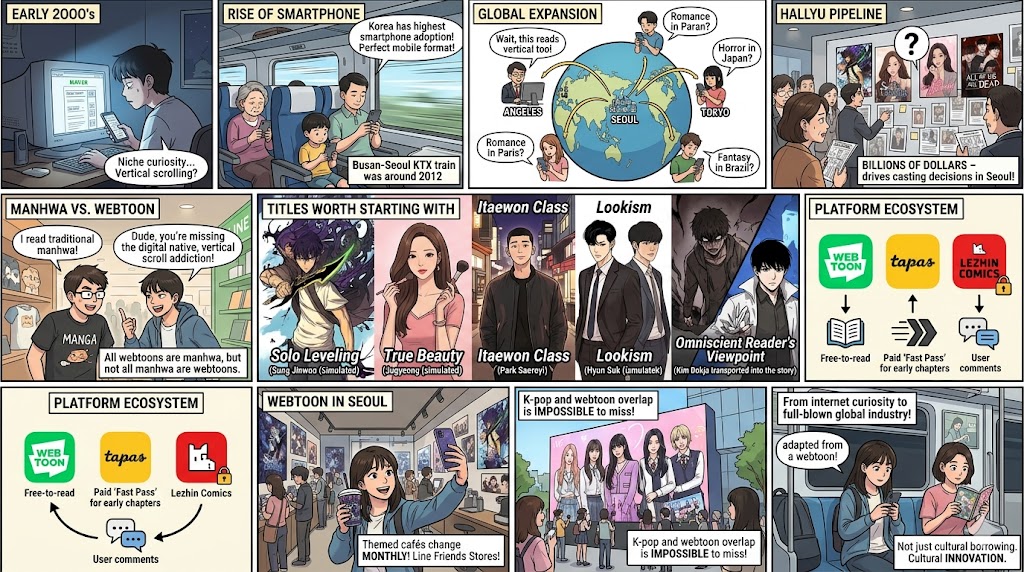
Korean webtoons are the reason half the K-dramas you’re watching right now exist — and if you’ve never read one, you’re missing the source material for some of the most compelling storytelling coming out of Asia. I’ve watched this medium grow from a niche internet curiosity in the early 2000s to a full-blown global industry that generates billions of dollars annually and drives casting decisions in Seoul production studios. It didn’t happen by accident.
Korea built something no other country managed to do: it turned the comic strip format into a digital-native, mobile-first art form that works perfectly on a smartphone screen, serializes weekly to keep readers addicted, and crosses genre boundaries in ways that Western comics rarely attempt. Romance, horror, thriller, fantasy, slice-of-life, historical drama — Korean webtoon creators have produced serious work in all of them, and the global audience has responded accordingly.
This guide covers everything: what webtoons actually are, the titles worth your time, the platforms that host them, and how to experience webtoon culture if you’re visiting Seoul.
Manhwa vs. Webtoon: Getting the Terms Right
Before anything else, a quick distinction that confuses a lot of people.
Manhwa (만화) is the Korean word for comics in general — the Korean equivalent of the Japanese word manga. Traditional manhwa was printed, read left-to-right (unlike Japanese manga, which reads right-to-left), and had a distinct Korean visual style that developed separately from Japanese influence.
Webtoon (웹툰) is a specific format: digital comics optimized for vertical scrolling on a screen. The word is a Korean portmanteau of “web” and “cartoon,” and Korea essentially invented the format as it exists today. Webtoons are typically released in episodes (called “chapters”), often weekly, and are published directly to platforms where readers can comment in real time.
So all webtoons are manhwa, but not all manhwa are webtoons. When people outside Korea say “Korean webtoons,” they usually mean the digital, scroll-format comics — which is what this guide focuses on.
Why Korean Webtoons Conquered Global Screens
The numbers are difficult to argue with. Naver Webtoon — the dominant platform — reported over 180 million monthly active users globally as of 2024. Solo Leveling, one of the most popular Korean webtoons ever published, was adapted into a Japanese anime in 2024 and immediately topped streaming charts across Europe and North America. True Beauty, Itaewon Class, What’s Wrong with Secretary Kim, and All of Us Are Dead all began as webtoons before becoming the K-dramas that now dominate global streaming platforms.
This pipeline from webtoon to screen is not a coincidence. It’s a deliberate ecosystem. Korean entertainment companies — the same ones producing the K-pop and K-dramas that have defined the Hallyu Wave — recognized early that webtoons function as a low-cost testing ground for stories. If a webtoon builds a fanbase of five million readers, greenlighting a drama adaptation is a significantly safer bet than developing an original script. The IP already has an audience. The story has already been stress-tested.
Three structural advantages explain why the format itself works so well:
1. Mobile-first design. Korean webtoons scroll vertically, panel by panel, in a format that was designed for the smartphone before most of the world had one. Korean smartphone adoption was among the highest in the world in the early 2010s, and webtoon creators adapted to the screen rather than trying to replicate print.
2. Weekly serialization with reader feedback. Most webtoons update once a week, and reader comments are visible immediately. Creators genuinely read and respond to audience reaction in ways that print publishing makes impossible. This creates a feedback loop between creator and reader that drives quality and keeps readers invested.
3. Free-to-read base model. The dominant platforms allow free access to most content with a “fast pass” paid option for early access to new chapters. This dramatically lowered the barrier to discovery — readers could try ten series before committing to pay for a single one.
The Korean Webtoons Worth Starting With
These are the titles I’d recommend based on genre, quality, and cultural significance — not just popularity.
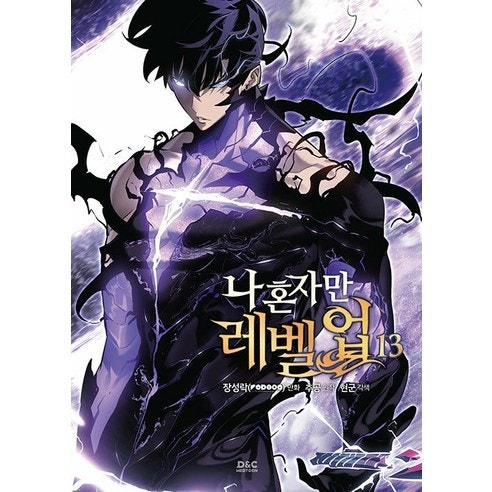
Solo Leveling (나 혼자만 레벨업) The series that arguably did more to expand the international webtoon audience than any other. A weak hunter in a world of monsters and dungeons suddenly awakens to unique powers and begins leveling up alone. The art is exceptional, the power fantasy is unashamed, and the pacing is genuinely addictive. Start here if you want to understand why the format has the audience it does.
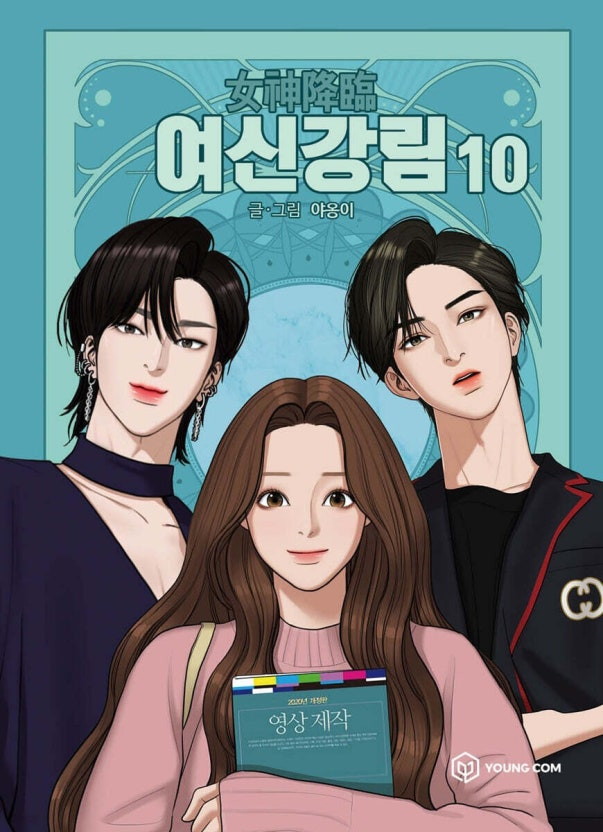
True Beauty (여신강림) A high school girl who is insecure about her appearance learns to use makeup as a mask — and the complications that follow. This one reads lighter than Solo Leveling but tackles Korean beauty standards and social pressure with more nuance than the premise suggests. The drama adaptation is also excellent, and understanding the webtoon first adds considerable depth to the characters. Korean beauty standards are a recurring theme throughout.
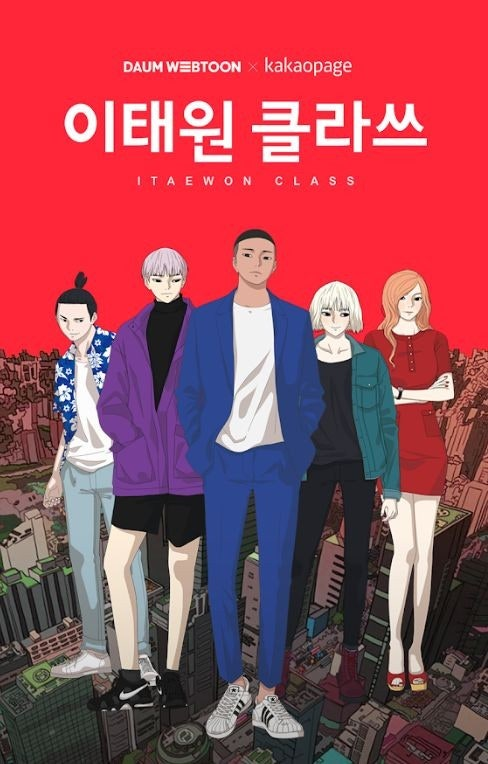
Itaewon Class (이태원 클라쓰) A revenge story set in Seoul’s restaurant industry. A young man builds a business from nothing to destroy the food conglomerate that ruined his family. The Itaewon setting — the neighborhood I’d describe as Seoul’s most internationally mixed — gives the story texture that translates well even if you’ve never visited. The drama adaptation starring Park Seo-jun is one of the best Korean dramas for newcomers.
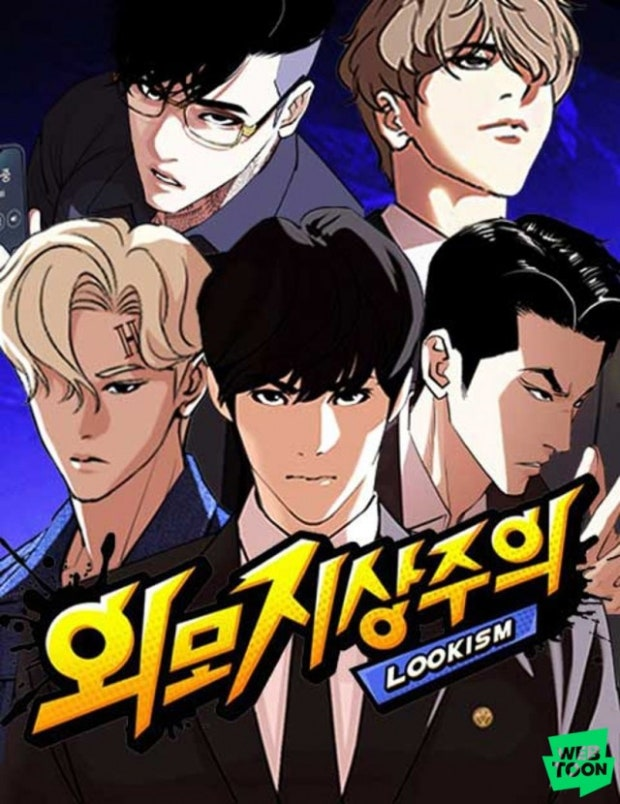
Lookism (외모지상주의) A bullied, overweight teenager wakes up in a second body — conventionally handsome, athletic — and navigates living two parallel lives. Blunt, sometimes uncomfortable, and more socially sharp than its premise suggests. It was adapted into a Netflix anime in 2022.
Sweet Home (스위트홈) Horror. A reclusive young man moves into a crumbling apartment building just as people begin transforming into monsters based on their deepest desires. Genuinely unsettling in ways that the Netflix adaptation captures surprisingly well. If you want to understand how Korean horror storytelling differs from Western horror — in its focus on psychology and social pressure rather than jump scares — this is a good entry point alongside the best Korean movies.

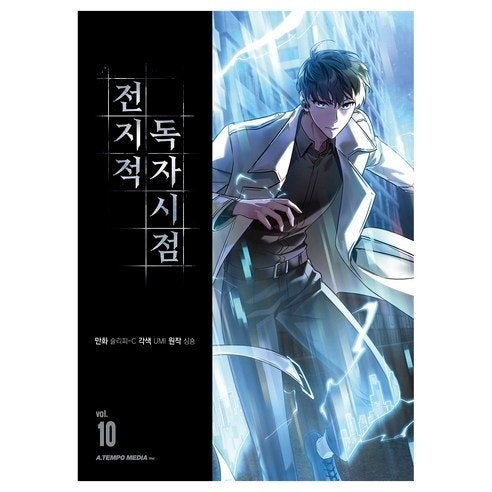
Omniscient Reader’s Viewpoint (전지적 독자 시점) A reader of a web novel finds himself transported into the story he knows better than anyone. Deeply self-aware, structurally complex, and beloved by the kind of reader who wants webtoons taken seriously as literature. Slower to start than Solo Leveling but ultimately more rewarding.
Where to Read Korean Webtoons
Webtoon (webtoon.com / app) — Naver’s official global platform, now rebranded simply as “Webtoon.” The largest library, the most translations, and the smoothest mobile experience. Free with optional fast-pass purchases.
Tapas — Focuses more on independent creators and has a strong romance and BL (Boys’ Love) section. Good for finding series that haven’t made it to the main Webtoon platform.
Lezhin Comics — Mature content platform. Higher quality art standards on average, but most content requires payment. Where to go once you’ve exhausted the free options elsewhere.
Kakao Webtoon / Kakao Page — Naver’s main domestic competitor. Some series are exclusive here, and the English translation library has grown significantly in recent years.
For Korean language readers or those studying Korean, reading webtoons in the original language is genuinely one of the more enjoyable ways to improve — the dialogue is contemporary, the vocabulary is varied, and the visual context helps with comprehension in ways that a textbook cannot replicate.
Experiencing Webtoon Culture in Seoul
Webtoons aren’t just a thing you read at home — they’ve become a physical presence in Seoul in ways that are worth knowing about before you visit.
Line Friends Flagship Store (Itaewon / Myeongdong): Line Friends characters originated from the Line messaging app but have expanded to include webtoon-adjacent IP. The flagship stores are worth a visit for the design work alone, even if you’re not a dedicated fan.
Webtoon-themed cafés: Seoul’s café culture (which is a story in itself) regularly produces themed pop-ups based on popular webtoon series. During my time in the city I’ve seen Solo Leveling cafés, True Beauty collaboration spaces, and seasonal pop-ups tied to whatever series is currently being adapted for television. Check Instagram for whatever is current during your visit — these change monthly.
COEX and Starfield Library area: The Gangnam COEX complex regularly hosts webtoon and pop culture exhibitions, particularly tied to drama adaptations. If a major webtoon is being released as a series, there will likely be a promotional installation somewhere in this district.
K-pop and webtoon overlap: The K-pop experience and webtoon worlds have started to merge — idol groups regularly collaborate with webtoon platforms on branded content, and several major agencies have developed webtoon series featuring fictional idol characters. If you’re visiting Seoul as a K-culture fan, the overlap is impossible to miss.
Why This Medium Matters Beyond Entertainment
Something I think gets lost in the “Korea is cool now” conversation is how webtoons represent a genuinely Korean solution to a global shift in media consumption. Japan had manga. America had superhero comics. Korea looked at the smartphone in everyone’s pocket and built a new format from scratch — one that now has more global monthly users than Netflix had subscribers in 2020.
That’s not cultural borrowing. That’s cultural innovation. And it happened because Korean creators in the early 2000s were given a platform (initially Naver’s free hosting service) and told to make whatever they wanted. The results, two decades later, are driving casting decisions in Hollywood.
FAQ
What is the difference between manhwa and manga? Manhwa is Korean comics; manga is Japanese comics. Manhwa reads left-to-right, like Western books. Manga reads right-to-left. Stylistically, Korean manhwa — especially modern webtoons — tends to use full color and a longer vertical panel format designed for digital screens, while most manga is black-and-white and designed for print.
Are Korean webtoons appropriate for all ages? It depends entirely on the platform and series. Webtoon.com has a robust age-rating system and most of its flagship content is appropriate for teenagers and above. Lezhin Comics hosts mature content and requires age verification. Always check ratings before sharing with younger readers.
Do I need to read the webtoon before watching the K-drama adaptation? No — the adaptations are generally standalone. But readers of the original consistently report that knowing the source material adds layers to the drama, particularly with character motivation and plot decisions that get condensed in adaptation.
Which Korean webtoon should an absolute beginner start with? Solo Leveling if you like action and fantasy. True Beauty if you prefer contemporary romance with social commentary. Sweet Home if you want horror. All three have been adapted for screen and are easy to find in English translation.
Are webtoons free to read? Most major platforms offer free access to most content. Premium or early-access chapters typically require paid “coins” or a subscription. It is entirely possible to read hundreds of chapters for free before spending a single dollar.
Can I visit any webtoon-related attractions in Seoul? Yes. Line Friends stores, themed café pop-ups, and periodic exhibitions at COEX and other venues in Seoul are tied to major webtoon releases and adaptations throughout the year. Check current pop-up listings close to your travel dates.
Book These Before You Go
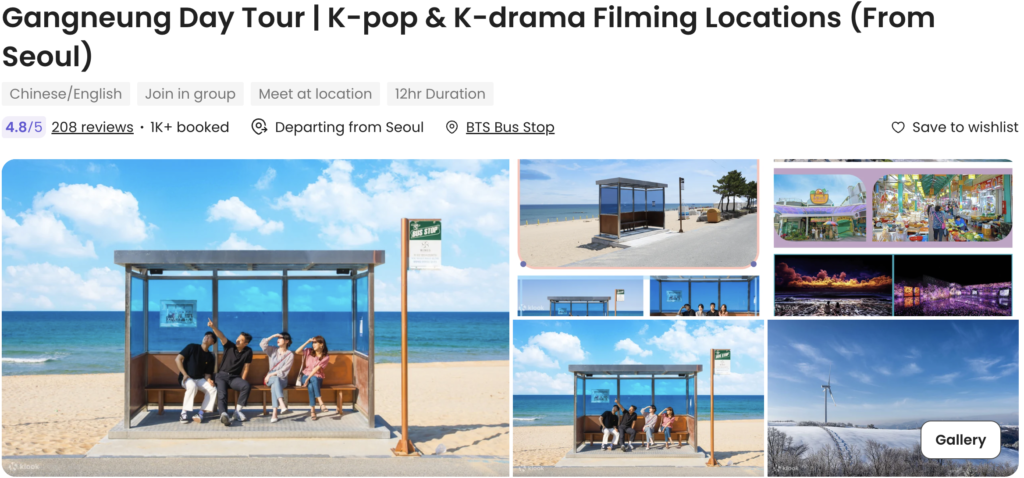
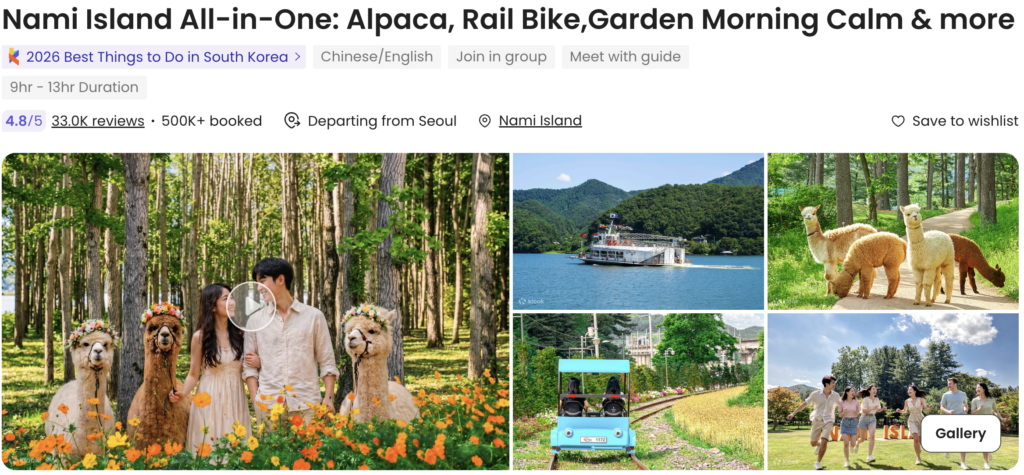
Reading Korean webtoons is one thing — experiencing the world they come from is another. If you’re visiting Seoul, these three are worth locking in before you arrive.
Korea Insider has lived in South Korea for 50 years and worked at international companies for over two decades — explaining Korean culture, food, and society to colleagues from the US, Europe, and Australia.
Internationally married with a Japanese spouse, Korea Insider brings both an insider’s depth and an outsider’s perspective to every topic on My Korea Tip.