
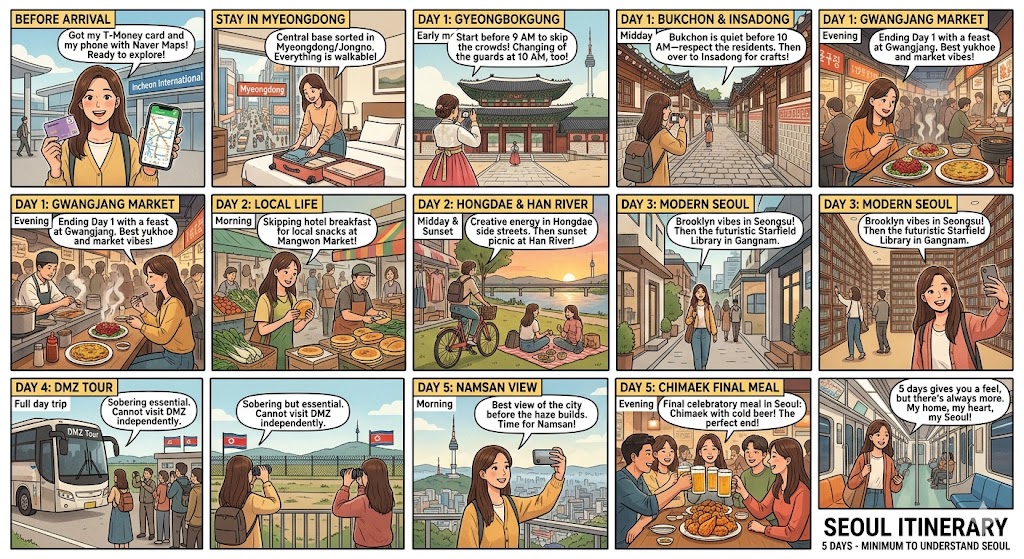
A Seoul itinerary 5 days is, in my honest opinion after living in this city for over half a century, the minimum you need to actually understand Seoul — not just photograph it. Three days gives you the highlights. Five days gives you a feel for the place. Seven days and you start to realize you’ve barely scratched the surface.
I’ve watched Seoul transform from a post-war city rebuilding itself to one of the most dynamic urban environments on the planet. I’ve walked these streets in every season, eaten in restaurants that no longer exist, and watched neighborhoods that used to be considered rough become the coolest zip codes in Asia. What follows is the itinerary I’d give a close friend visiting for the first time — structured, honest, and built around how this city actually works.
If you only have three days, I have a separate guide for that. But if you have five, here’s how to spend them properly.
Before You Arrive: Two Things to Sort First
Transportation: Get a T-Money card at the airport the moment you land. Seoul’s subway system is one of the best in the world — clean, punctual, and fully signposted in English. Almost every place in this itinerary is within a 10-minute walk of a station. Check my full guide on how to use the Seoul subway before you go — it will save you considerable stress on Day 1.
Where to Stay: For a 5-day itinerary, I recommend basing yourself in Myeongdong or Jongno. You’re central, you’re walkable to Days 1 and 2, and the subway connections are excellent for everything else. Avoid Gangnam for a first visit — it’s impressive, but it’s not the Seoul that will make you fall in love with the city.
Day 1: Royal Seoul — History, Hanbok, and Your First Market Meal
Morning: Gyeongbokgung Palace
Start where the Joseon Dynasty started. Arrive at Gyeongbokgung before 9:00 AM — this is not negotiable if you want to experience the palace without shoulder-to-shoulder crowds. The changing of the royal guard ceremony runs at 10:00 AM and 2:00 PM (closed Tuesdays), and it is genuinely one of the most impressive free spectacles in the city.
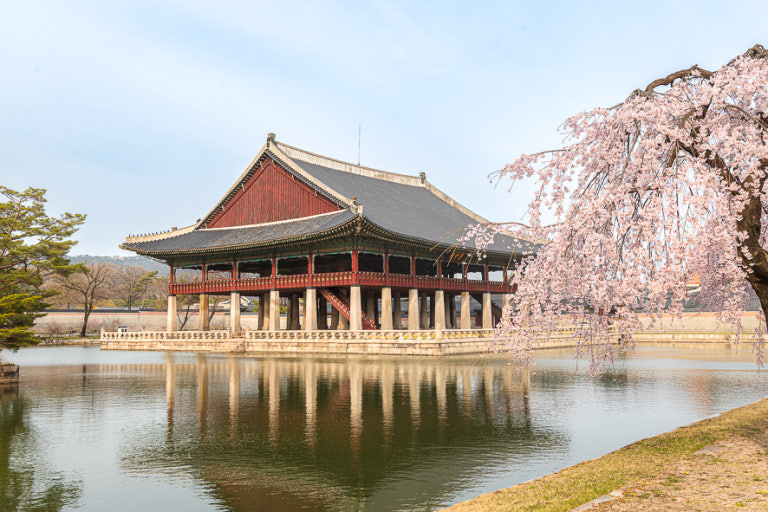
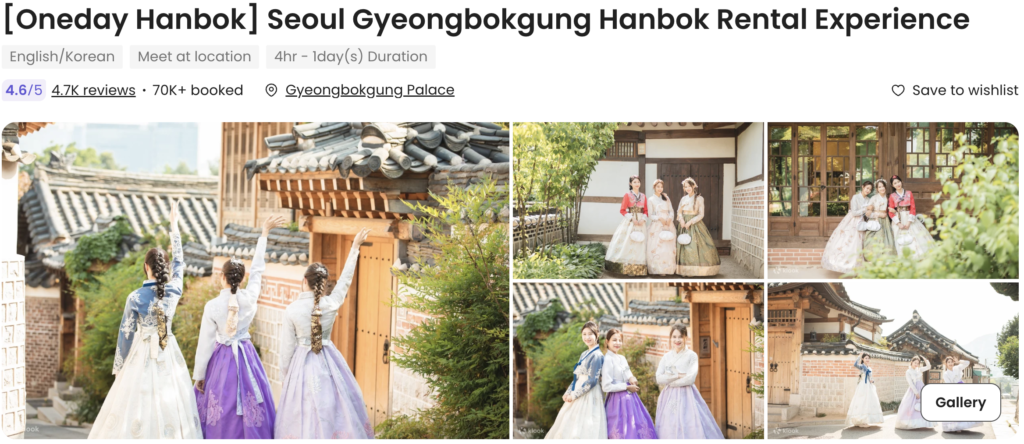
If you want to rent hanbok and wear it inside the palace, do it. It sounds touristy. It isn’t. There are rental shops clustered right at the Gyeongbokgung station exit, and wearing hanbok gets you free entry. My full Gyeongbokgung Palace guide covers ticketing, the best photo spots, and what most visitors miss entirely — including the smaller Hyangwonjeong pavilion at the back that 90% of tourists walk right past.
Late Morning: Bukchon Hanok Village
Walk northeast from the palace — it’s about 15 minutes on foot — into Bukchon Hanok Village. This is a residential neighborhood of traditional Korean houses (hanok) that has somehow survived Seoul’s relentless modernization. The alleyway views looking down over the rooftops toward Namsan Tower are the kind of image that makes people book flights to Korea.
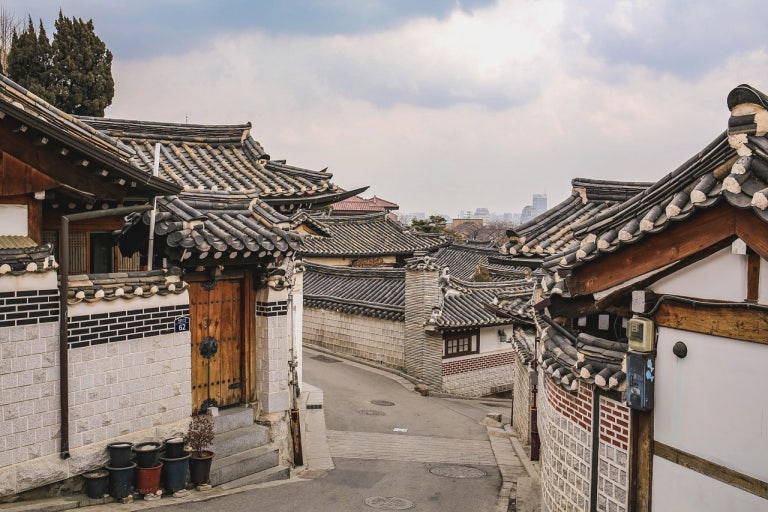
A word of warning I give every visitor: the residents here actually live in these houses. Keep your voice down, especially before 10 AM. The neighborhood has had real tensions with tourism over the years, and a little respect goes a long way. My Bukchon Hanok Village guide has the exact walking route and the quieter alleyways worth finding.
Afternoon: Insadong & Lunch
From Bukchon, walk down to Insadong — Seoul’s traditional arts and crafts district. It has become more commercial over the decades, I won’t pretend otherwise, but the side alleys (Ssamziegil courtyard in particular) still have independent galleries, tea houses, and shops selling things that aren’t K-pop merchandise.
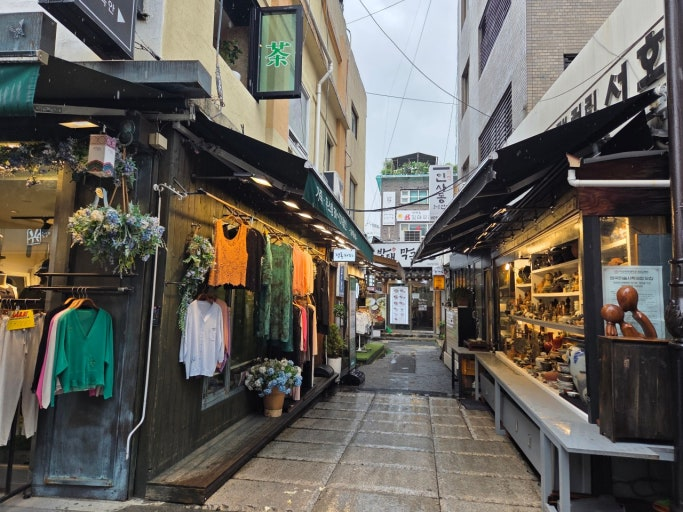
For lunch, try a hanji (Korean rice paper) craft café or grab bindaetteok from one of the pojangmacha (street stalls) along the main road.
Evening: Gwangjang Market
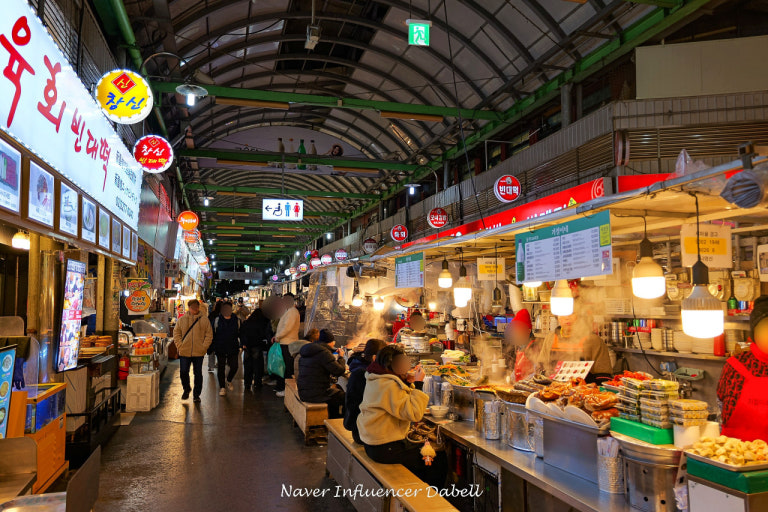
End Day 1 at Gwangjang Market — one of the oldest markets in Seoul and, in my view, still the best place in the city for a genuine market dinner. The raw beef (yukhoe), mung bean pancakes (bindaetteok), and mayak gimbap have been feeding Seoulites since 1905. Sit at a stall, order whatever the woman in front of you is having, and let the evening unfold. Budget around ₩15,000–₩25,000 per person for a full spread.
Day 2: Local Seoul — Han River, Coffee, and a Proper Neighborhood
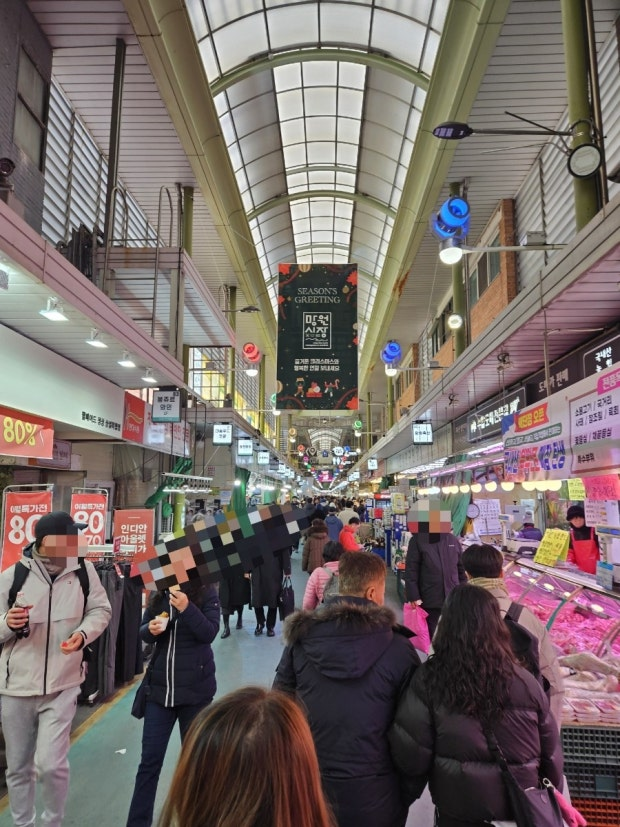
Morning: Mangwon Market
Skip the hotel breakfast. Take the subway to Mangwon station and walk to Mangwon Market — a local neighbourhood market that has absolutely no interest in impressing tourists. This is where actual Seoul residents buy vegetables at 7 AM. Grab tteokbokki or hotteok from a stall, eat it standing up, and watch the city wake up.
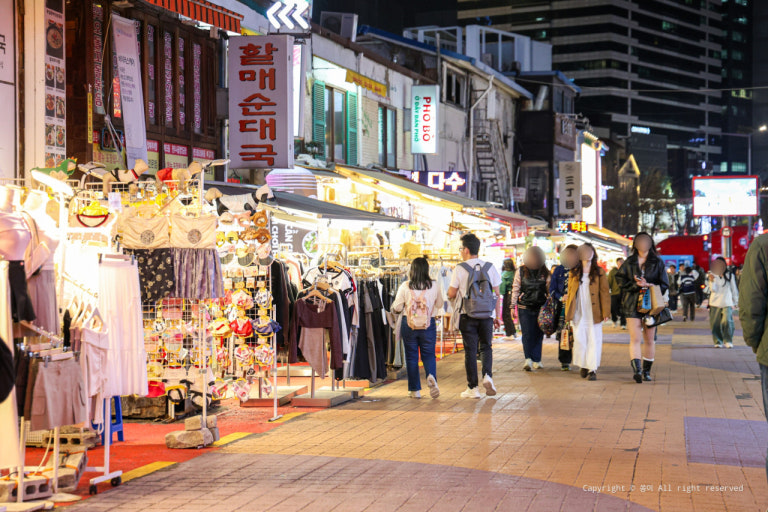
Midday: Hongdae
From Mangwon, it’s a short walk into Hongdae — Seoul’s university district and historically the birthplace of Korea’s indie music and street art scene. It has gotten noisier and more commercial since I first knew it, but the creative energy is still there in the side streets. This is a good neighbourhood for lunch (try a Korean soup restaurant — gomtang or seolleongtang if you see it), and for exploring independent fashion stores before the big retail chains took over half the street.
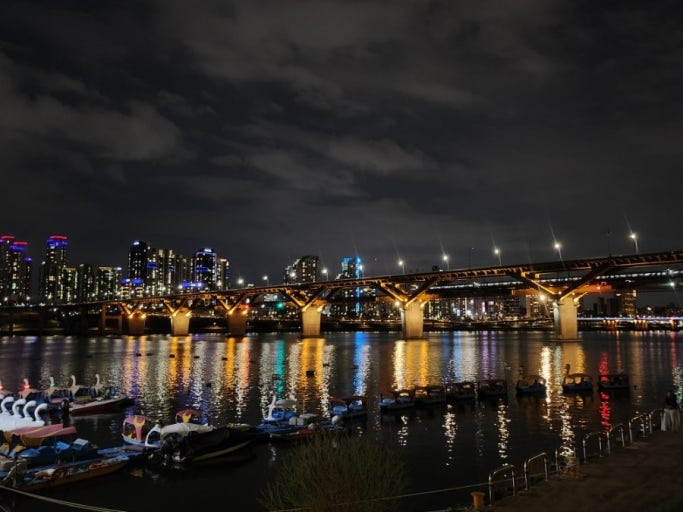
Afternoon: Han River
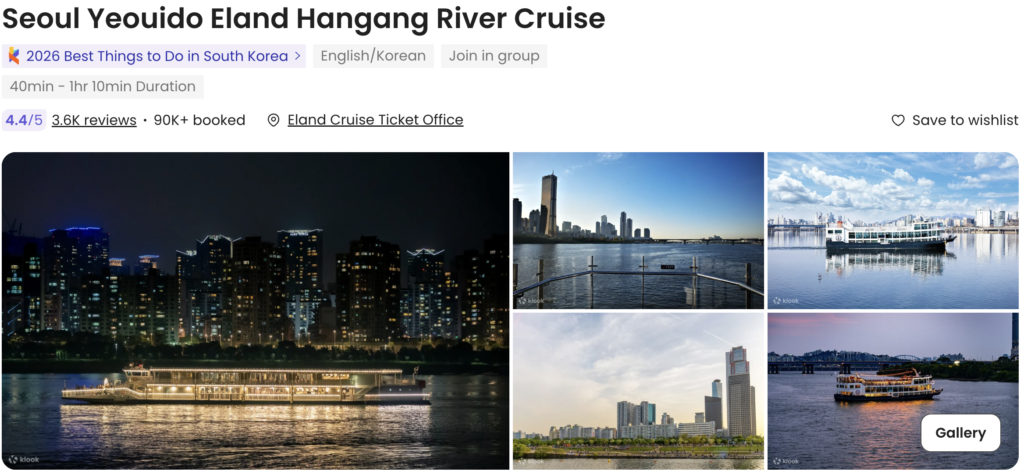
Take the subway to Yeouido or Banpo and spend two to three hours at the Han River. Rent a bicycle, buy a convenience store picnic (the GS25 near Yeouido station does the job), and sit on the grass watching the city from its waterfront. Seoulites treat the Han River the way Londoners treat Hyde Park — it’s where you go when you need to decompress. If you’re visiting between May and October, the Banpo Bridge Rainbow Fountain runs on a schedule and is worth timing your visit around.
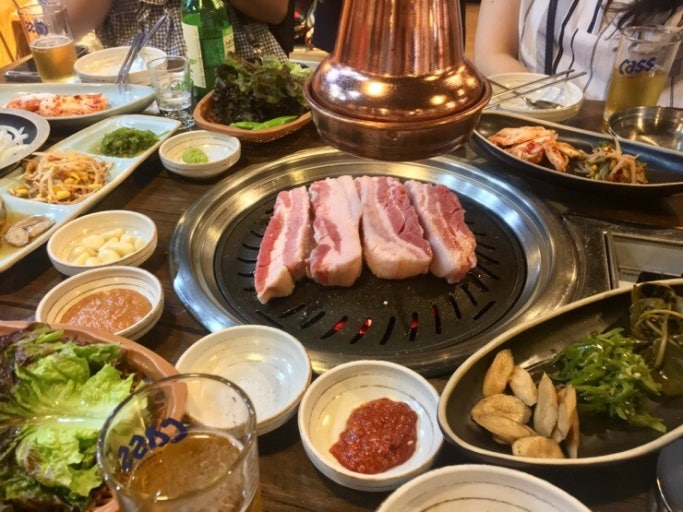
Evening: Korean BBQ Dinner
Tonight is the night for Korean BBQ. In the Mapo or Hongdae area, find a samgyeopsal (pork belly) restaurant — look for places where the ventilation hood hangs directly over the table and the grill is charcoal, not gas. The ritual of cooking your own meat, wrapping it in perilla leaves with garlic and ssamjang, and eating it with someone across a table is genuinely one of the best dining experiences on the planet. My Korean BBQ guide covers exactly how to order, what to say, and how not to embarrass yourself.
Day 3: Modern Seoul — Gangnam, COEX, and Seongsu-dong
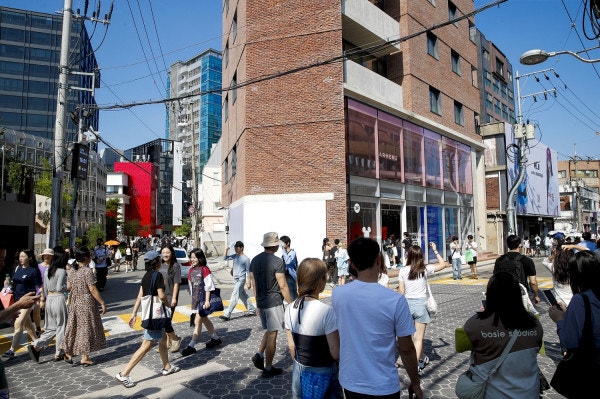
Morning: Seongsu-dong
Often called “Seoul’s Brooklyn,” Seongsu-dong on the east side of the Han River is what happens when a former industrial district gets taken over by designers, roasters, and people who care deeply about the font on their coffee cup. The cafés here are architecturally serious. Pop-up stores appear and disappear every few weeks. Walk around for two hours and you’ll understand why Korean design culture has become a global export.
Afternoon: Gangnam & COEX
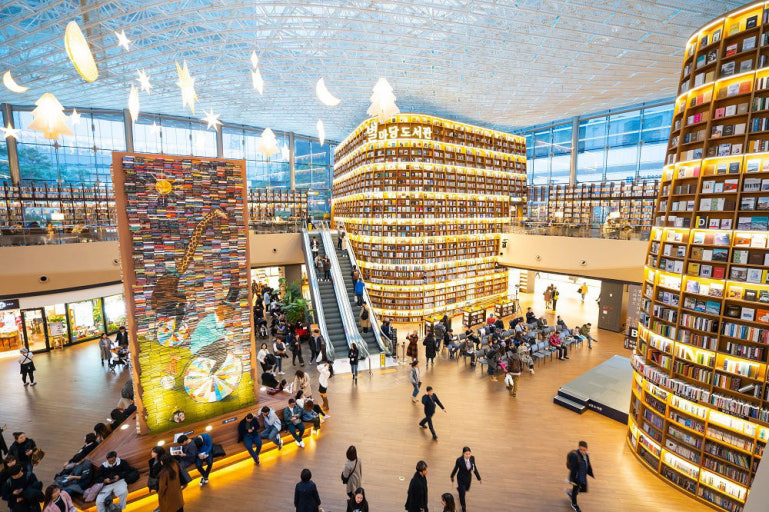
Cross the river south to Gangnam. The name means “south of the river” and it refers to Seoul’s wealthiest district — the neighbourhood that the PSY song is actually making fun of, in case that context helps. The COEX Mall underground complex is worth visiting for the Starfield Library alone — a cathedral of bookshelves that has become one of the most photographed interiors in Seoul.
Walk the Garosu-gil (tree-lined street) for boutique shopping and another excellent coffee stop.
Evening: Itaewon
End Day 3 in Itaewon — Seoul’s most internationally mixed neighbourhood, a 10-minute subway ride from Gangnam. Post-2022 it has been quietly rebuilding its identity, and the restaurants along the back streets toward Haebangchon (HBC) are some of the most interesting in the city. This is where you’ll find excellent Turkish, Ethiopian, Mexican, and Vietnamese food alongside Korean options. A good night for something that isn’t Korean, if three days of kimchi has you ready for a change of pace.
Day 4: DMZ Day Trip — The Most Important Thing You’ll See in Korea
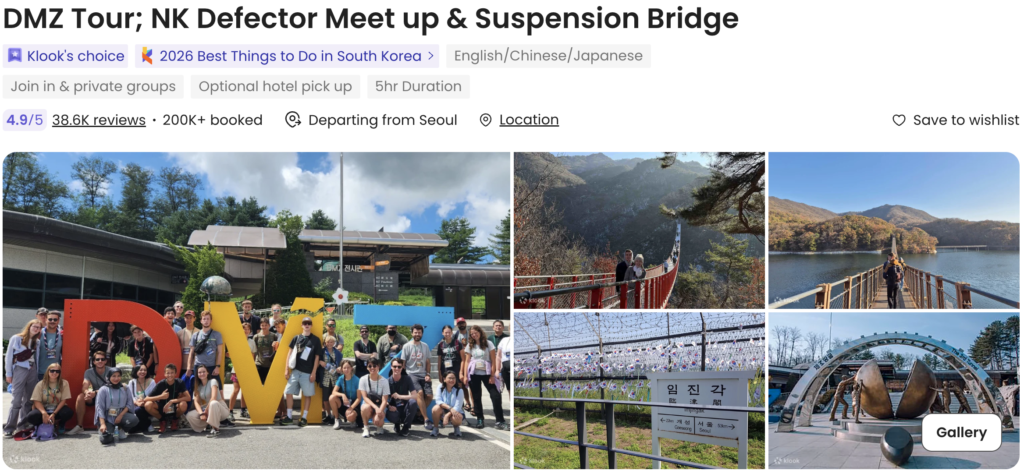
Clear your full day for this. The Demilitarized Zone — the 4-kilometer-wide buffer between South and North Korea — is unlike anywhere else on Earth, and it sits just one hour north of downtown Seoul. You cannot visit independently; you must join an organized tour, and booking in advance is essential, particularly in peak season.
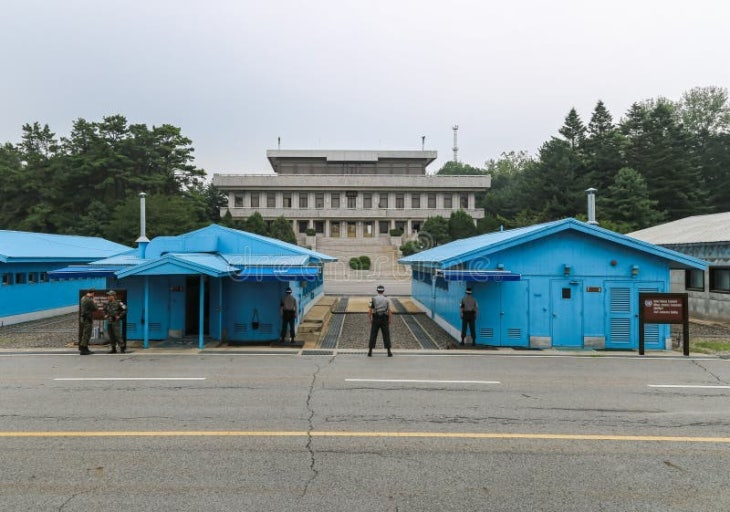
The standard tour covers the Third Infiltration Tunnel (dug by North Korea, discovered in 1978), Dora Observatory (where on a clear day you can see into North Korea), and Dorasan Station — a fully functioning train station that goes nowhere, built in hope of eventual reunification. It is equal parts fascinating and sobering.
My full DMZ Tour from Seoul guide covers the different tour options, what each includes, what to bring, and the photography restrictions that catch visitors off guard.
Return to Seoul by late afternoon. Keep Day 4 evening light — after the DMZ, most people need quiet more than stimulation. A jjimjilbang (Korean bathhouse) evening is a perfect reset.
Day 5: Namsan, Last Meals, and What to Buy
Morning: Namsan Tower
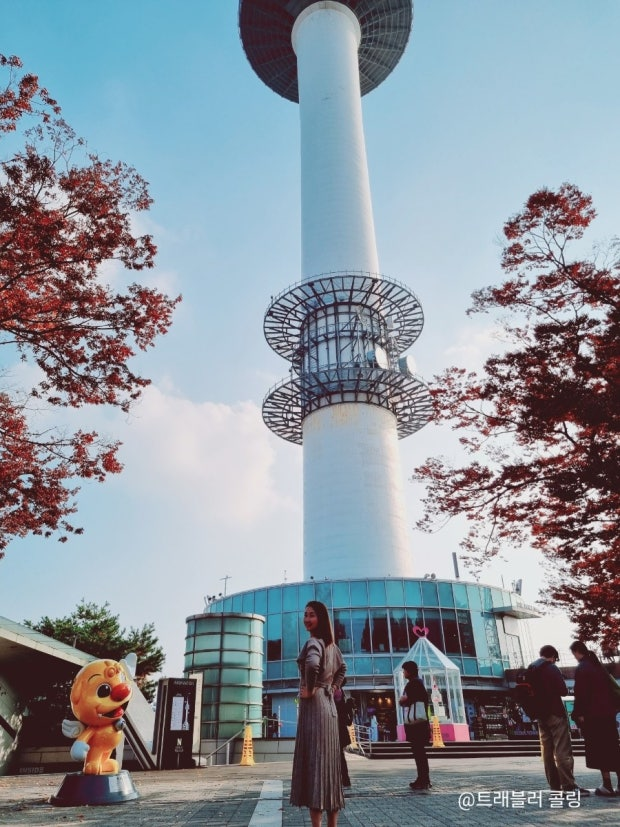
N Seoul Tower sits at 479 meters above sea level and offers the best 360-degree view of Seoul you’ll find. Take the cable car from Myeongdong, or hike the trail from Huam-dong if your legs are still cooperating after four days. Come in the morning before the haze builds. The lock wall near the base is genuinely sentimental and worth the five minutes, regardless of your position on public declarations of affection.
Afternoon: Final Shopping
For your last afternoon, the choice depends on your budget:
- Myeongdong — cosmetics, street food, and everything Korean beauty (Olive Young flagship is here)
- Namdaemun Market — wholesale prices, zero English signage, and a genuinely old-Seoul atmosphere
- Dongdaemun Design Plaza — architecture worth seeing for its own sake, plus the surrounding fashion market district that runs until 5 AM
Evening: One Last Korean Meal
I always tell visitors to end their trip with Korean fried chicken and a cold beer — the combination Koreans call chimaek. It is the most democratic meal in Seoul. Order it to your table, open your phone, and look at five days of photos. You’ve earned it.
Practical Tips for 5 Days in Seoul
- Budget: Expect ₩80,000–₩150,000 per day (approximately $60–$110 USD) covering meals, transport, and entry fees, excluding accommodation
- Subway: T-Money card works on all subway lines, buses, and even some convenience stores
- Data: Get a SIM card or pocket Wi-Fi at Incheon Airport on arrival — Naver Maps works better than Google Maps in Seoul
- Tipping: Not expected and occasionally refused. Do not tip
- Payment: Most places accept cards. Some traditional markets are cash-only — carry ₩50,000–₩100,000 in small bills
FAQ
Is 5 days enough for Seoul? Five days covers the essential districts, one day trip, and leaves room for spontaneous detours. It is enough to feel the city rather than just see it. If you can extend to seven days, consider adding a trip to Gyeongju or Busan.
What is the best area to stay in Seoul for 5 days? Myeongdong or Jongno for central access to Days 1–2, easy subway connections to everything else, and a high concentration of accommodation at every price point. Hongdae is a good second choice if you’re under 35.
Do I need to book the DMZ tour in advance? Yes. Particularly between April–June and September–October, tours sell out days in advance. Book at least a week ahead.
How much should I budget per day in Seoul? A comfortable mid-range budget is ₩100,000–₩150,000 per day ($75–$110 USD), including meals, subway, and entry fees. Seoul rewards budget travelers — you can eat extraordinarily well for very little money.
Is Seoul safe for solo travelers? Extremely. Seoul consistently ranks among the safest large cities in the world. Violent crime against tourists is rare. Exercise the same common sense you would anywhere.
Can I use English in Seoul? Better than you might expect. Subway signage is bilingual. Most younger Koreans have functional English. Tourist areas like Myeongdong, Insadong, and Hongdae are well-equipped for English speakers. In traditional markets and local restaurants, pointing and a smile goes further than you’d think.
Book These Before You Go
Getting your key activities locked in ahead of time is the single biggest difference between a smooth trip and a stressful one. These three are the ones I’d book immediately:

Korea Insider has lived in South Korea for 50 years and worked at international companies for over two decades — explaining Korean culture, food, and society to colleagues from the US, Europe, and Australia.
Internationally married with a Japanese spouse, Korea Insider brings both an insider’s depth and an outsider’s perspective to every topic on My Korea Tip.